
WHO is working in collaboration with governments from across the world, national and regional health organizations, scientists, and other stakeholders to expedite the COVID-19 vaccine rollout. Everything is up in the air at the moment, but we can still predict how the COVID-19 vaccines might change travel in 2021.
1. Exploration through public transportation will change
Countries will certainly ease the COVID-19 travel restrictions once the vaccine is fully rolled out. We can predict that coronavirus vaccination certificates will become mandatory for travelers going forward, especially those using public flights. Qantas, an Australia-based airline, has already announced that it will not be accepting passengers who aren’t vaccinated against COVID-19. That is likely to be the norm for many airlines going forward.
Some countries such as France are looking into the possibility of using technology to verify vaccination certificates from visitors, mainly because they fear that paper certificates can be easily forged. Tech verifications will, however, be dependent on other countries’ willingness to issue their citizens with electronic vaccine certificates or electronically-verifiable certificates. According to French Prime Minister Jean Castex, the government is even considering denying public transportation as well as access to government-owned buildings to people without proof of “COVID-19 preventative treatment.”
Vaccinated or not, it is important that you remain vigilant when using public transportation because no vaccine is 100% effective. Always remember and adhere to all the safety protocols that helped you navigate through 2020. A better option for public transportation would be to use independent travel, e.g. a rental car. Driving yourself overseas will require you to have an international driver’s license or an international driving permit (IDP) as it’s known in the US. The permit is recognized in over 170 countries but each country has specific requirements that you need to look up prior to applying for the permit. You also should look up the specific requirements of the rental car companies you intend to rent cars from.
What is the process of getting an IDP? This is how to get an international driver’s license:
In the United States, you can choose between two application processes:
- In-person application: Just visit your local AAA office carrying your driver’s license and two passport photos. You will be given a form to fill out and after paying the $20 permit fee, your IDP will be processed within minutes.
- Mail application: Mail your request (accompanied by two passport photos and a copy of each side of your valid driver’s license) to AAA or AATA. AAA charges $20 for both mail and in-person applications whereas AATA charges $10 for mail applications. All the copies you mail should bear your signature on the reverse side. Mail applications are processed within 15 days but shipping timelines vary depending on your location.
2. Destinations will be affected by how fast the world adopts the vaccine
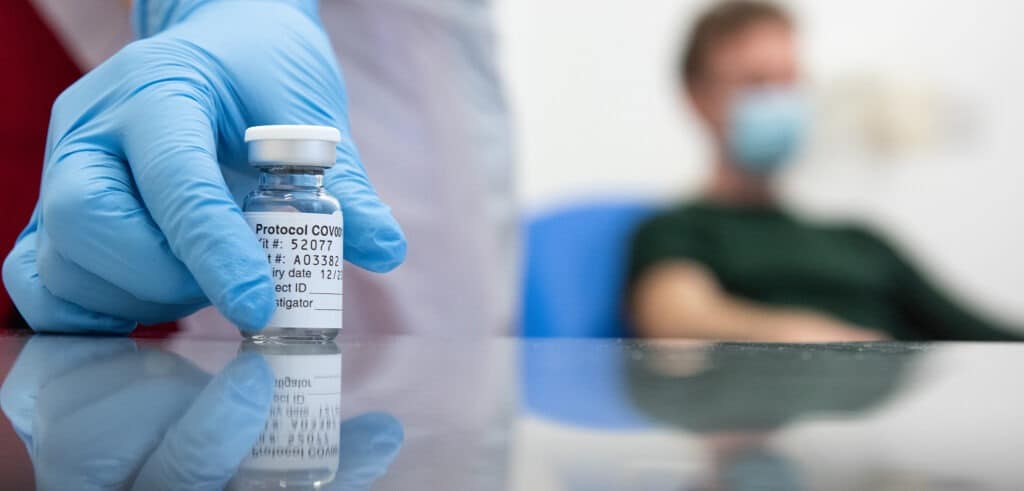
More than 50% of the top-rated vaccine candidates have already been bought by the world’s richest nations. That means about 14% of the global population will be vaccinated multiple times when available vaccines get WHO approval. That leaves about 86% of the global population with extremely low hopes of getting vaccinated at all. And because most travel destinations are developing and 3rd world countries in Africa, Latin America, and the Far East, most people will have to postpone their planned vacations unless there is an equitable global vaccine distribution. Rich countries in Western Europe and North America will gain from 3rd world’s loss, but not so much because affluent travelers from developing countries will probably not be eligible to fly overseas for lack of vaccination certificates.
3. Overbooked flights and other air travel changes
Expect overbooked flights if an equitable global vaccine distribution is achieved soon enough and travel bans lifted across the world. However, airlines will not re-introduce flight cancellation penalties, ticket-change fees, and other surcharges until COVID-19 is defeated. The absence of these surcharges means that airlines cannot accurately predict how many passengers miss a given flight, so they will struggle to overbook flights.
Another notable change in post-pandemic air travel is that airlines will ditch large, double-decker planes for smaller, more futuristic planes. Blended wing jets have been touted by experts as the planes for the post-COVID era due to their efficiency, spacious overhead bins, wider windows and seats, and more comfort. Coronavirus has taught us the need for spacious closed spaces, after all.
This won’t change: COVID-19 screenings and antibody tests will continue to be offered in airports even long after the vaccine.
4. Expect a hike in prices
The deep discounts that domestic tourists have enjoyed over the last 10 months are unlikely to extend beyond the vaccine. A rebound in demand will precipitate a hike in prices from air tickets to hotel accommodations. Affluent travelers who are tired of domestic traveling will be dishing out money to make their planned international travel plans actualized, including making abnormally expensive reservations.
Conclusion
It is still unclear if vaccinated people can catch and/or spread the virus, so making predictions for 2021 travel isn’t exactly straightforward. Keep planning your vacation, stay safe, and wait for the green light from your government.


