
Workplace laws provide staff members with protection against arbitrary treatment during their working hours. Employees must receive fair pay, experience safe conditions, and remain free from discrimination and wrongful dismissal. Some employers do not respect the rights they are obligated to uphold, resulting in unlawful behaviour at work. To take legal action, employees must first understand how to respond to workplace violations.

Identifying Employee Rights Violations in Canadian Workplaces
Workplace rights violations become actionable after workers identify and acknowledge such instances with their employers. These violations manifest through various harmful situations, including:
- Unpaid compensation
- Wrongful job dismissal
- Unsafe work environments
- Harassment
Staff members need to understand their Canadian workplace rights in order to identify unlawful actions taken by an employer.
Individuals should record all violations before moving forward with action. Documentation—including work emails, pay stubs, and schedules—serves as proof when taking legal steps. To build a stronger case, employees should discuss their concerns with co-workers who have experienced similar situations.
How to Address Workplace Rights Issues with Your Employer
In some cases, discussing concerns directly with a manager or HR representative can lead to faster resolutions. Addressing workplace issues professionally and seeking action from employers—who may be unaware of the situation—can lead to necessary changes. A formal presentation to supervisors and human resources through meetings allows workers to express concerns in an official capacity.
If the employer fails to respond or continues to violate rights, the employee should maintain professionalism and avoid actions that could jeopardize their case. An employment lawyer in Vancouver provides invaluable advice regarding next steps and effective legal options.
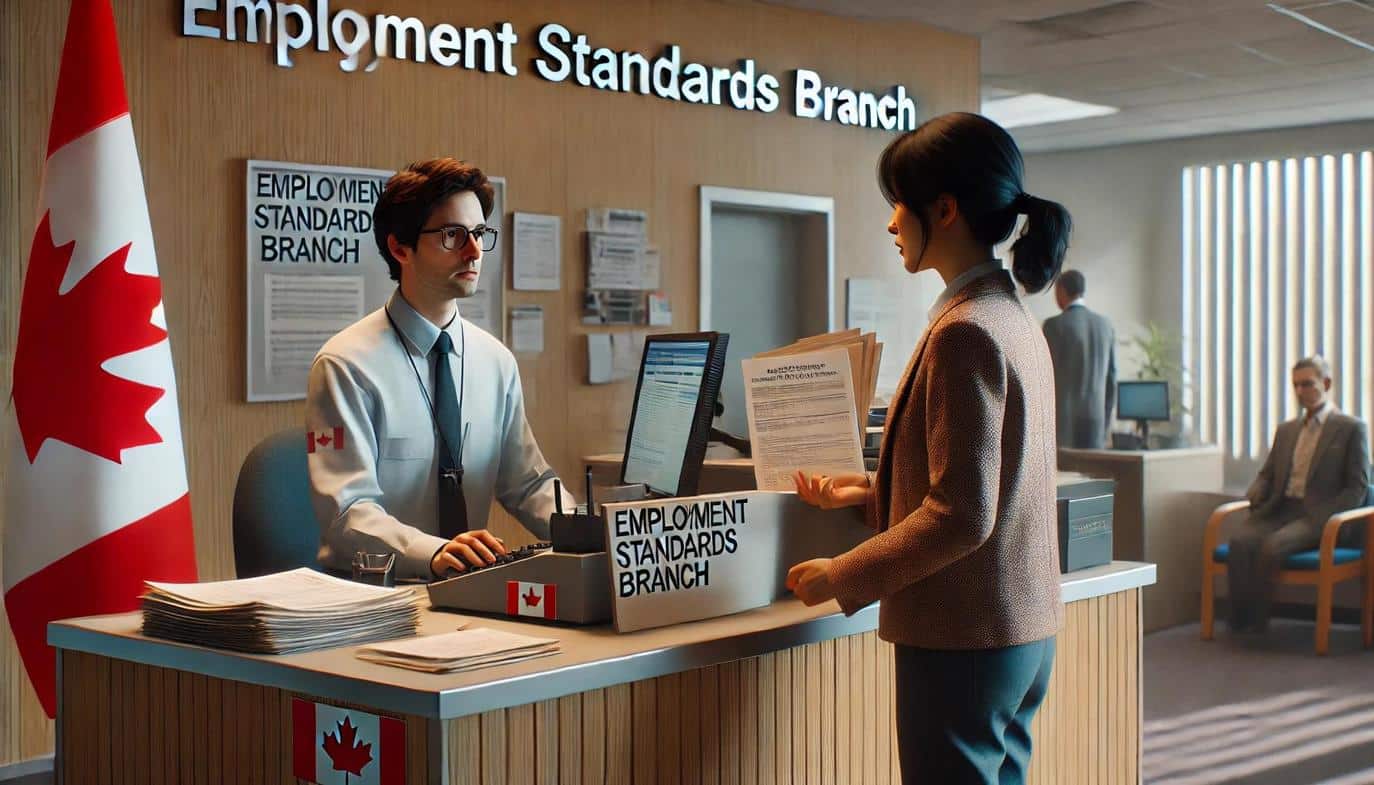
Filing a Workplace Complaint with Government Agencies
When workplace offences go unaddressed by an employer, employees have the right to present their complaints to the appropriate government regulatory agency. In Canada, specific employment standards offices in each province handle workplace disputes. Employee protection laws empower individuals to report:
- Delayed wage payments
- Improper dismissals
- Unsafe conditions
The individual filing the complaint should provide precise details about the nature of the violation. Such information includes dates of the incident, communications with the employer, and all supporting evidence. The government department reviews complaints through systematic investigations. If a violation is confirmed, the employer may be required to pay compensation and revise workplace policies.
Getting Legal Help for Employment Rights Violations
Serious or ongoing labour disputes often warrant help from employment lawyers. Legal professionals understand workplace regulations and can guide employees through appropriate legal procedures. Employment lawyers assist individuals facing wrongful termination, harassment, and contract disputes. They assist with filing complaints, negotiating settlements, and representing clients in court if necessary.
An employment lawyer in Vancouver can help during settlement negotiations, file lawsuits, and provide legal representation.
Clarify employee rights, assess entitlement to compensation, and determine applicable legal remedies.
Employees who seek legal support early can prevent further mistreatment and secure fair treatment in the workplace.
How to Protect Your Workplace Rights Moving Forward
Awareness of employment rights and legal protections enables staff to recognize and avoid future violations. Employees who understand workplace policies, employment contracts, and legal safeguards are better equipped to defend their interests. Being able to identify unprofessional treatment and act promptly helps prevent issues from escalating.
Workers who foster strong relationships with colleagues often have greater capacity to protect themselves. Collabourating with co-workers who share concerns and staying informed about labour laws increases the ability to navigate workplace problems. Consulting an employment lawyer or legal advisor can significantly strengthen efforts to uphold workplace rights.

Final Thoughts on Responding to Workplace Rights Violations
Employees are not powerless when their rights are violated. By documenting incidents, confronting employers when appropriate, and pursuing legal support, they can protect their well-being and hold companies accountable. Understanding labour laws is the first step toward building safer, fairer workplaces for everyone.
Frequently Asked Questions
What are common examples of workplace rights violations?
Unpaid wages, wrongful termination, unsafe working conditions, harassment, and denial of legally mandated breaks are all examples of workplace rights violations.
Can I report my employer anonymously?
Yes, in most provinces you can file a complaint anonymously with employment standards offices, though some cases may still require identifying information.
Do I need a lawyer to file a workplace complaint?
Not always, but legal guidance can help ensure your complaint is filed correctly and increases the chances of a favourable outcome.
How do I prove my employer violated my rights?
Document everything—emails, pay stubs, timesheets, and witness statements. This evidence can support your case if legal action is necessary.
Is there a time limit for filing workplace complaints in Canada?
Yes, time limits vary by province. Generally, it’s best to act within 6 months to 1 year, depending on the type of complaint.


