
As we stand at the crossroads of technological evolution and environmental urgency, energy storage emerges as a cornerstone of future progress. The demand for efficient, safe, and sustainable energy solutions has never been greater, driven by the rising tides of climate change and the global push for cleaner transportation and power sources. At the heart of this energy transformation are batteries—the silent workhorses powering everything from smartphones to solar panels to electric vehicles.
Introduction: A New Era in Energy Storage
In recent years, two revolutionary types of batteries have emerged as frontrunners in this domain: solid-state and sodium-ion batteries. These technologies promise to overcome the limitations of traditional lithium-ion batteries, offering greater safety, higher capacity, and more environmentally friendly production methods.
Solid-state batteries replace the liquid electrolytes found in standard batteries with a solid material, which significantly increases safety by reducing the risk of leaks and fires. They also pack more energy into a smaller, lighter package, extending the range of electric vehicles and shortening charging times. Meanwhile, sodium-ion batteries present a cost-effective and abundant alternative to lithium-ion, leveraging the ample supply of sodium in nature to offer a more accessible energy storage solution.
These battery innovations promise not just a leap in technological performance but a sweeping impact on global economics, geopolitics, and environmental strategies. As the world races to electrify transportation and integrate renewable energy at a greater scale, understanding and advancing these technologies will be key to navigating our energy future.

Solid-State Batteries Leading the Charge
Solid-state batteries are increasingly becoming the cornerstone of the next generation of energy storage technologies. While conventional batteries rely on liquid electrolytes to conduct electricity, solid-state batteries (SSBs) replace these with a solid material, offering significant advantages in terms of performance, safety, and efficiency. Before this article introduces the latest in sodium-ion batteries, let’s take a quick journey through how the industry as a whole is shifting toward more sustainable and innovative energy storage solutions.
Understanding Solid-State Batteries
To begin understanding why solid-state batteries are creating such a buzz, it’s essential to first grasp how they differ from the more familiar lithium-ion batteries. Traditional lithium-ion batteries use a liquid electrolyte to allow ions to move between the anode and cathode. This setup, while effective, does carry risks, such as leaking or even catching fire.
In contrast, solid-state batteries use a solid electrolyte, which significantly reduces these risks and can store more energy in a smaller space. This means devices powered by these batteries can have longer ranges and charge much faster. Imagine an electric vehicle (EV) that can travel as far as 600 miles on a single charge and recharge within just a few minutes—a farfetched dream? Not anymore, thanks to solid-state technology, which is poised to eliminate the dreaded “range anxiety” that many potential EV buyers feel.
Unlike their predecessors, solid-state batteries can incorporate advanced materials like silicon in their construction, further enhancing their energy capacity. Silicon, with its theoretical specific capacity significantly higher than current materials, has the potential to further enhance solid-state batteries. However, this comes with challenges such as managing silicon’s tendency to expand and contract during charge cycles, which can degrade the battery over time.
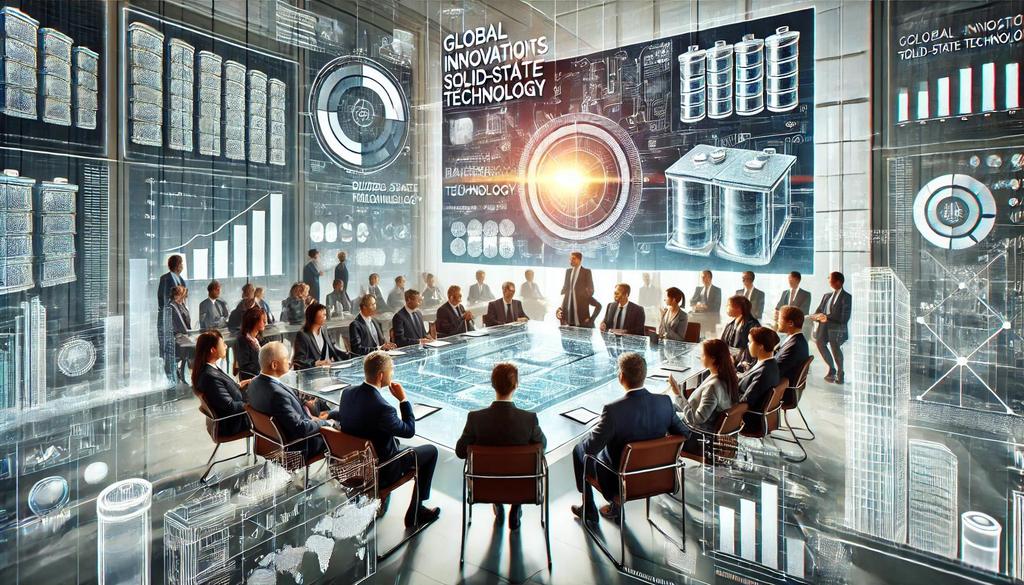
Global Innovations in Solid-State Technology
The race to innovate in the field of solid-state batteries has attracted many global tech giants and governments alike. Let’s delve into what some of these key players are doing to drive this technology forward.
China’s Strategic Initiatives
China is investing heavily in solid-state battery research, earmarking over $830 million to the China All-Solid-State Battery Collaborative Innovation Platform (CASIP). This massive project aims to establish China as a leader in battery technology, uniting titan companies like CATL and BYD. These companies are paving the way toward widespread adoption, intending not just to enhance battery performance but to revolutionize the very future of energy storage.
Chinese innovations are particularly focusing on sulfide-based electrolytes, which offer high ionic conductivity and increase the battery’s energy density. Such advancements make batteries lighter and more compact, ideal for future electric vehicles and even consumer electronics. Challenges remain, however, as sulfides can be reactive and difficult to manage during the manufacturing process. Yet, through meticulous development, such barriers are being systematically overcome.
Samsung’s Breakthroughs
Samsung has made headlines with its announcement of a solid-state battery capable of providing up to 621 miles of driving range and charging to 80% in just nine minutes. This technological marvel could potentially redefine the electric vehicle landscape. Samsung’s approach involves using advanced cathodes and anodes to boost efficiency and lifespan, signaling a shift toward more robust and stable power solutions.
Samsung’s commitment is also evident in its substantial investment in continued research and development to refine its battery technology. By integrating innovative designs, such as high-nickel cathodes and unique anode structures, Samsung enhances not just energy density but also the overall user experience.
Toyota’s Vision
Another major player, Toyota, envisions a future where solid-state batteries are standard in its vehicles. Toyota plans to begin mass-producing these batteries by 2027. With the potential to offer up to 745 miles on a single charge, this development could mark a pivotal shift in the electric vehicle industry.
Toyota’s vision encompasses broader urban innovations, such as the “Woven City,” a prototype community that integrates cutting-edge technologies into everyday life while maintaining sustainability. Here, solid-state batteries will play a crucial role and power more efficient urban transport systems with reduced environmental footprints.
The Promise of Silicon in Solid-State Batteries
While traditional solid-state batteries have relied on lithium and other materials, silicon is emerging as a revolutionary component. Silicon anodes offer significantly higher energy storage capacity than their graphite counterparts. However, they expand and contract significantly during use, which can lead to cracks and performance deterioration over time.
Teams worldwide are racing to solve these issues. Through innovative electrode designs and new materials, scientists aim to harness silicon’s potential without compromising the battery’s longevity. The successful incorporation of silicon would mean more durable, longer-lasting batteries, not only for vehicles but for renewable energy storage, effectively aiding in the global shift toward more sustainable energy systems.

The Rise of Sodium-Ion Batteries
A new wave of technological innovation is redefining how we store energy, and sodium-ion batteries are at the forefront of this change. As concerns over the cost and availability of lithium grow, manufacturers and researchers are turning their attention to sodium-ion technology—a promising and sustainable alternative.
An Overview of Sodium-Ion Technology
Sodium-ion batteries (SIBs) are emerging as a competitive option in the energy storage market. Unlike their lithium-ion counterparts, which rely on rare and expensive lithium, SIBs use sodium—a common element found abundantly in seawater and salt deposits. This naturally makes sodium-ion batteries a more cost-effective and widely accessible choice.
One of the major benefits of sodium-ion technology is its affordability. The elements used in these batteries are more affordable and plentiful, which can significantly reduce manufacturing costs. Additionally, sodium-ion batteries tend to perform better under low-temperature conditions, making them a resilient option for cold climates.
However, not every aspect of sodium-ion batteries is as straightforward. Sodium ions are larger than lithium ions, meaning they move more slowly within the battery, posing challenges to fast-charge capabilities. This characteristic requires specialized design enhancements to ensure that these batteries can match or even surpass the performance of traditional batteries.

Innovative Developments in Sodium-Ion Solid State Batteries
Despite these challenges, researchers have made several groundbreaking advancements to enhance sodium-ion batteries. Let’s explore how leading companies and researchers are pushing the boundaries of what’s possible with this technology.
CATL and Chery’s Pioneering Use
Chinese battery titan CATL and automotive manufacturer Chery are setting the pace by incorporating sodium-ion batteries into vehicles and energy storage systems. CATL’s strategic foresight into hybrid battery systems—mixing sodium-ion and lithium-ion technologies—has led to promising improvements in range capabilities and pricing dynamics.
CATL’s sodium-ion batteries have already started appearing in Chery’s models, marking a crucial step towards widespread adoption. These batteries provide a practical solution for mid-range vehicles, offering good performance while keeping production costs manageable.
Research in Electrolyte Interfaces
Research efforts worldwide are producing encouraging developments. A focus area is the interface between the electrode and electrolyte in sodium-ion batteries. In this context, a breakthrough involves using innovative binders, such as polyfumaric acid, which improve the stability of hard-carbon anodes and enhance ion diffusion.
Another exciting development is the creation of water-soluble polymer-based binders that enhance battery performance by facilitating faster sodium-ion movement. These advancements in binder materials are crucial, as they help build a stronger, more efficient battery that retains its charge over numerous cycles.
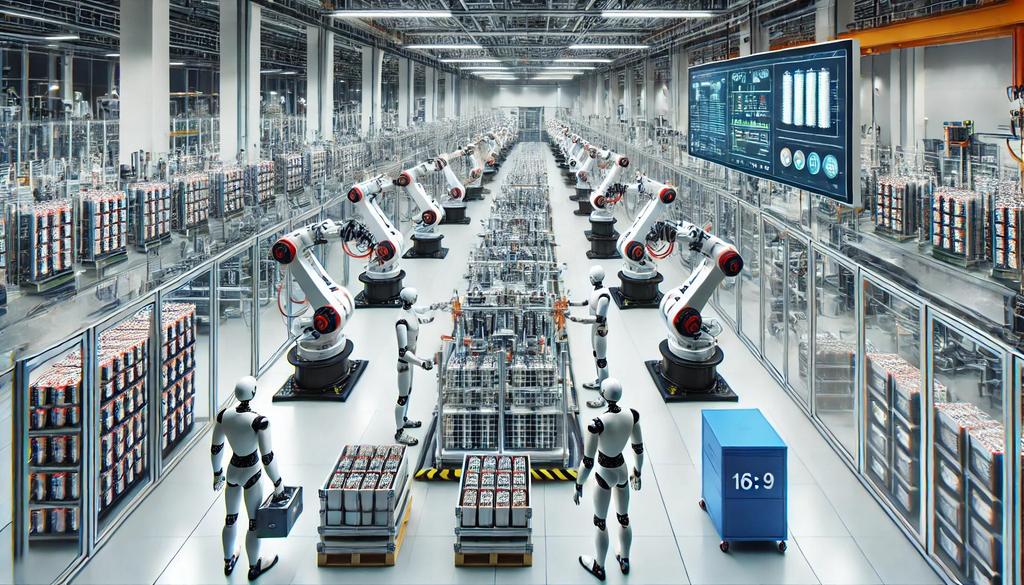
Chery’s Cutting-Edge Manufacturing Plant: Pioneering Sodium-Ion Battery Production
Chery has embarked on a groundbreaking journey with its new state-of-the-art manufacturing facility dedicated to advancing sodium-ion battery technology. This modern plant is situated in Wuhu, Anhui Province, and stands as a testament to Chery’s commitment to innovation in energy solutions. Designed to reinforce Chery’s position at the forefront of automotive and energy storage technology, the plant symbolizes a leap forward in both capacity and capability.
Manufacturing Capacity and Technological Prowess
The new facility is engineered with a substantial manufacturing capacity, and though it is currently capable of producing over a GWh of batteries, it has plans to grow to 5 GWh of solid-state batteries annually. This scale positions Chery as a formidable player in the energy storage sector, aiming to meet escalating demand for efficient and cost-effective alternatives to traditional lithium-ion batteries. The plant’s design includes multiple production lines, ensuring flexibility and efficiency in operations to adapt to evolving market needs.
Innovative Battery Types and Their Capacities
Chery’s plant is set to manufacture a diverse range of sodium-ion batteries, each designed to cater to specific energy requirements and applications. The focus will be on developing batteries with capacities that start at 120 Wh/kg, advancing up to 200 Wh/kg as technological refinements progress. These sodium-ion batteries promise enhanced performance, particularly in cold climates, and offer a sustainable and economical solution for energy storage across various platforms, including electric vehicles and renewable energy systems.
Chery’s sodium-ion batteries are to be designed to meet a range of up to 400 kilometers, making them suitable for various applications that demand reliability and efficiency. This range, combined with their cost-effectiveness and robust performance in cold climates, reinforces their viability as a sustainable energy storage solution.
Chery’s manufacturing plant is paving the way not only for sodium-ion and standard lithium iron phosphate (LiFePO4) batteries but also for the development of next-generation, high-density batteries that achieve an impressive 500 Wh/kg. These cutting-edge batteries are part of Chery’s ambitious roadmap geared towards producing batteries with significantly enhanced energy capacities. This leap in energy density positions these batteries as ideal candidates for electric vehicles and other high-demand applications, enabling longer ranges and fewer charging stops at just minutes per charge.
This innovation is a testament to Chery’s dedication to advancing battery technology, promising substantial improvements in performance, safety, and sustainability across various platforms. These efforts highlight Chery’s commitment to leading the way in high-capacity energy storage solutions, meeting both current and future market demands.
Collaborative Efforts with Strategic Partners
To bring its vision to fruition, Chery has partnered with several key industry players. Collaborations with CATL (Contemporary Amperex Technology Co. Limited), a leader in battery manufacturing and innovation, have been instrumental. This partnership leverages CATL’s expertise in hybrid battery systems, incorporating both sodium-ion and lithium-ion technologies to extend range and reduce costs significantly.
Additionally, Chery’s collaboration with Anhui Anwa New Energy Co. and Gotion Hi-Tech enhances its production capabilities and strategic positioning in the global battery market. These partnerships underscore a shared commitment to advancing battery technology and fostering innovation to meet future energy demands efficiently and sustainably.
By investing in this new facility and strategic partnerships, Chery not only reinforces its leadership in the automotive and energy sectors but also contributes to the evolving landscape of clean energy solutions. This endeavor signifies a strong commitment to paving the way toward a sustainable future, marrying technological prowess with strategic foresight in the realm of energy storage.

Strategic Impacts and Future Prospects for Sodium-Ion SSBs
The burgeoning field of sodium-ion batteries has broad implications not just for manufacturers but also on an economic and environmental scale.
Economic and Geopolitical Implications
As sodium-ion technology matures, it has the potential to reshape global supply chains. Countries with abundant sodium resources could become key players in the energy market, reducing dependency on lithium-rich regions. This shift might lower production costs globally and drive more sustainable economic models.
Sodium-ion batteries also represent an opportunity to expand local manufacturing capacities due to cheaper raw materials, potentially boosting job creation in new battery production hubs.
Environmental Considerations
From an environmental perspective, sodium-ion batteries promise to lessen the ecological impact of battery production. Using sodium, which is more readily available, reduces the strain on ecosystems compared to mining for lithium. This aligns with global goals for sustainability and could lead to decreased carbon footprints for both vehicle manufacturers and consumers.
The advantages of sodium over lithium highlight an impactful shift toward greener technology solutions, offering a clean alternative that doesn’t compromise performance.
Solid State Batteries’ Sociopolitical Impacts
As we steer into an era marked by significant advances in energy storage technology, it’s vital to explore the strategic impacts and future prospects of both solid-state and sodium-ion batteries. These technologies don’t just promise technical advancements; they carry implications that could reshape global economies, influence geopolitical landscapes, and steer environmental strategies.
Economic and Geopolitical Implications
The development and widespread adoption of new battery technologies are reshaping the global economic and geopolitical landscape.
Redefining Global Supply Chains
The rise of solid-state and sodium-ion batteries is especially significant in how it might change global supply chains. Lithium, a critical component in current batteries, is not evenly distributed worldwide, causing supply constraints and driving up costs. However, sodium is abundantly available globally, potentially lowering costs and diversifying supply sources.
Countries rich in sodium and associated technology could see a boom in manufacturing, reducing the monopoly of lithium-rich regions and making battery production more economically viable across diverse markets. This redistribution could foster new industrial hubs, shifting economic power dynamics and creating jobs in areas currently underdeveloped in energy production endeavors.
Impact on International Relations
These advancements might also reflect and influence international relations. As countries race to secure tech leadership in the burgeoning battery industry, partnerships and rivalries will intensify. Nations pioneering these technologies—like China, with its substantial investments in solid-state battery initiatives—could assume new influential roles globally.
Additionally, the shift away from limited resources like lithium toward more sustainable substitutes could reduce international tensions related to raw material scarcity. Countries might strategically collaborate to navigate the complexities of mineral dependencies through joint ventures, research agreements, and trade partnerships, improving global economic stability.
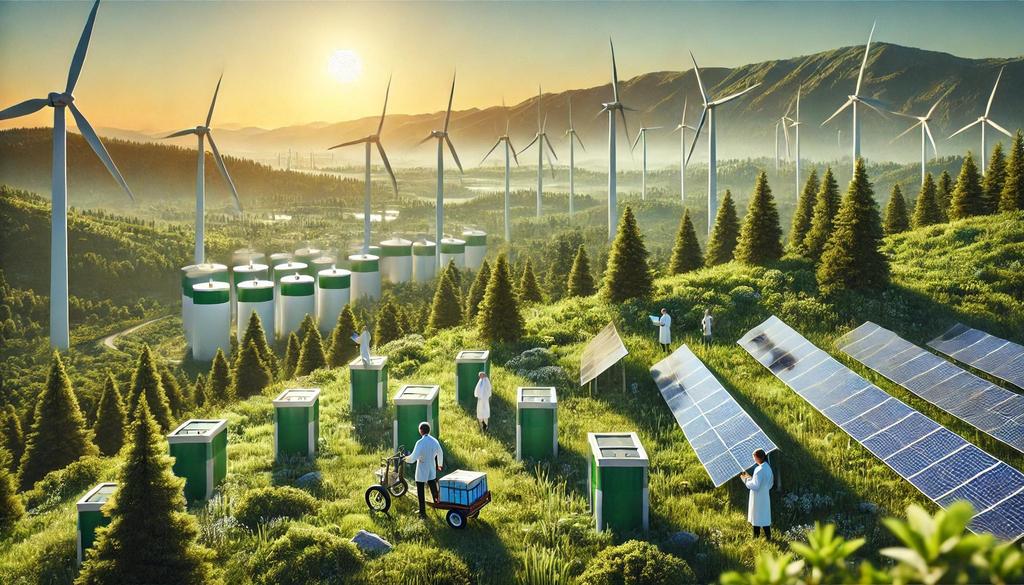
Environmental Considerations
Beyond economic and geopolitical images, the environmental implications of adopting these new technologies are equally impactful and promising.
Minimizing Ecological Footprints
One of the most significant environmental benefits of these new battery technologies is their potential to drastically reduce ecological footprints. The widespread uptake of sodium, for example, which is less intensive to extract than lithium, could significantly decrease the environmental damage often associated with mining.
Moreover, the cleaner production processes for both solid-state and sodium-ion batteries could result in less carbon pollution compared to traditional methods. These batteries are designed with recyclability in mind, meaning that they could help close the loop in battery production, enabling more sustainable recycling and disposal pathways.
Supporting Sustainable Energy Goals
Solid-state sodium-ion batteries align closely with global efforts to transition to sustainable energy systems. By offering safer, longer-lasting, and more efficient energy storage solutions, they will enable greater adoption of renewable energy technologies like solar and wind, further reducing global carbon emissions.
These advancements are paving the way for a future where low-carbon technologies are accessible and affordable for all. As such, governments and companies are likely to prioritize policies and investments that support innovation and deployment of these technologies, playing a critical role in meeting international climate targets and promoting environmental stewardship.
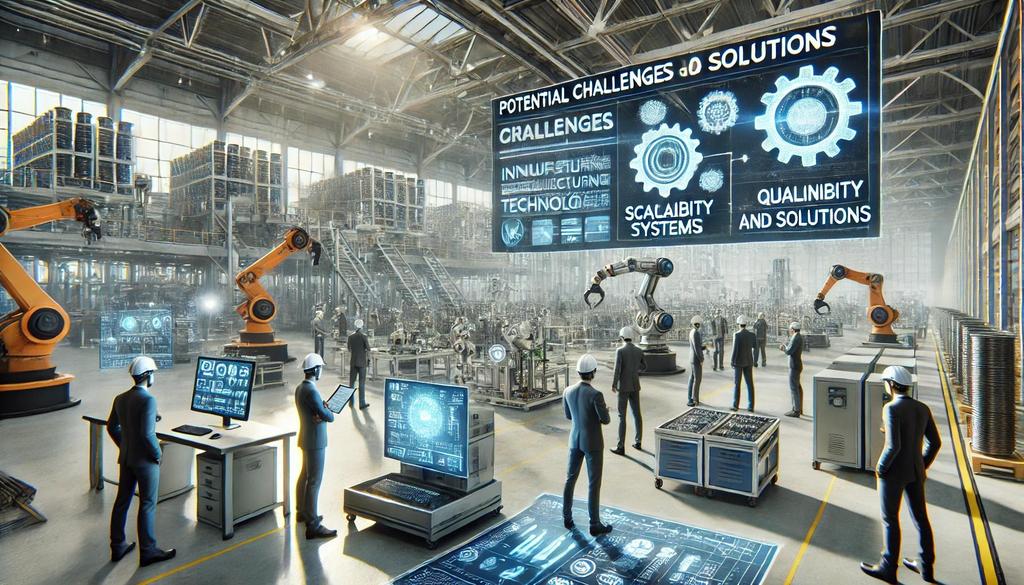
Potential Challenges and Solutions
While these developments create exciting prospects, they are not without challenges that must be navigated to realize their full potential.
Addressing Manufacturing Complexities
One of the hurdles in adopting solid-state technology is the complexity and expense associated with its manufacturing. The production environment for these batteries requires precise conditions, such as extremely dry settings, which presents logistical and economic challenges.
Ongoing research focuses on streamlining manufacturing processes and enhancing material durability to ensure long-term functionality in order to overcome these barriers.
Managing Supply and Demand
With the anticipated increase in demand for sodium and other materials, maintaining a steady and sustainable supply will be crucial. This must coincide with continued innovation to minimize resource consumption and guarantee batteries are produced at a scale that can meet global needs without compromising environmental integrity.
Societal Shift
The strategic implications and future prospects of solid-state and sodium-ion batteries suggest that we are at the beginning of a new chapter in energy history. As these technologies advance, they promise not only to transform the battery industry but to contribute to a broader societal shift toward sustainable and equitable energy solutions. Innovation, collaboration, and a steadfast commitment to a cleaner, more interconnected world pave the way toward realizing these potentials.

Charging into the Future with Solid State Batteries
As we delve deeper into the 21st century, the narrative around energy storage is evolving from a focus on challenges to one of immense potential and opportunity. The groundbreaking advancements in solid-state and sodium-ion battery technologies mark a new dawn where the limitations of the past give way to promising avenues for a more sustainable and equitable energy landscape.
The journey to harness these technologies on a global scale is one of collaboration, innovation, and strategic action. Countries and companies are already forging new partnerships, investing in research, and overcoming technical hurdles to capitalize on these advancements. By doing this, they are not only establishing new benchmarks for battery performance and safety but also revolutionizing the global production, storage, and consumption of energy.
The rise of these new battery technologies points to a future where energy is more accessible, cleaner, and smarter. Imagine electric vehicles becoming the norm, supported by batteries that can cover the longest distances yet. Picture renewable energy systems that can reliably power whole cities thanks to efficient storage, ensuring continuity even when the sun isn’t shining or the wind isn’t blowing.
The potential economic and environmental benefits are profound. The move to widespread use of solid-state and sodium-ion batteries could lead to a significant reduction in carbon emissions, a more sustainable use of Earth’s resources, and the creation of a resilient global economy less reliant on finite and environmentally damaging materials.
As we charge into this new era, the path is clear: continuous innovation and commitment to sustainable practices will lead us to a cleaner, more connected world, where energy is not just about power but about progress, equity, and shared prosperity. The future holds incredible promise, and these battery technologies are lighting the way.


