
In the face of escalating climate change, one of the most significant challenges humanity faces is reducing carbon emissions. Burning fossil fuels continues to accumulate carbon dioxide (CO2), a primary greenhouse gas, in our atmosphere, contributing to global warming. But what if we could harness carbon, the very cause of the problem, as a solution? This idea transforms carbon from a culprit into a valuable resource, dubbing it the new “black gold” of the 21st century.
Redefining Carbon as Black Gold in Our Energy Future
Imagine a world where we could sustainably collect and reuse the carbon we emit, ushering in a new era of clean and efficient energy. This concept is no longer a distant dream; billions of dollars in international investment make it a reality thanks to innovative technologies in carbon capture, utilization, and storage (CCUS). These groundbreaking advancements not only aim to reduce our carbon footprint but also propel us toward a new industrial paradigm driven by sustainability and resource efficiency.
The purpose of this article is to explore how these carbon innovations intersect with hydrogen technology and how international collaborations are shaping policy frameworks necessary for the future of our planet. We’ll dive into the social and economic impacts of adopting carbon-based technologies, the challenges involved, and what the future holds for a carbon-positive society. Join us on this journey to explore the transformation of carbon from a villain of climate change to ‘black gold,’ a hero of sustainability.
The Promise of Carbon Sequestration and Utilization
As the world grapples with the effects of climate change, scientists and innovators are turning their attention to carbon, a key player in global warming. Carbon dioxide (CO2), a major greenhouse gas, traps heat in the Earth’s atmosphere. Transforming this carbon from a harmful pollutant into a valuable resource is at the forefront of current environmental solutions.
Effective Capture with Carbon Sequestration Powder
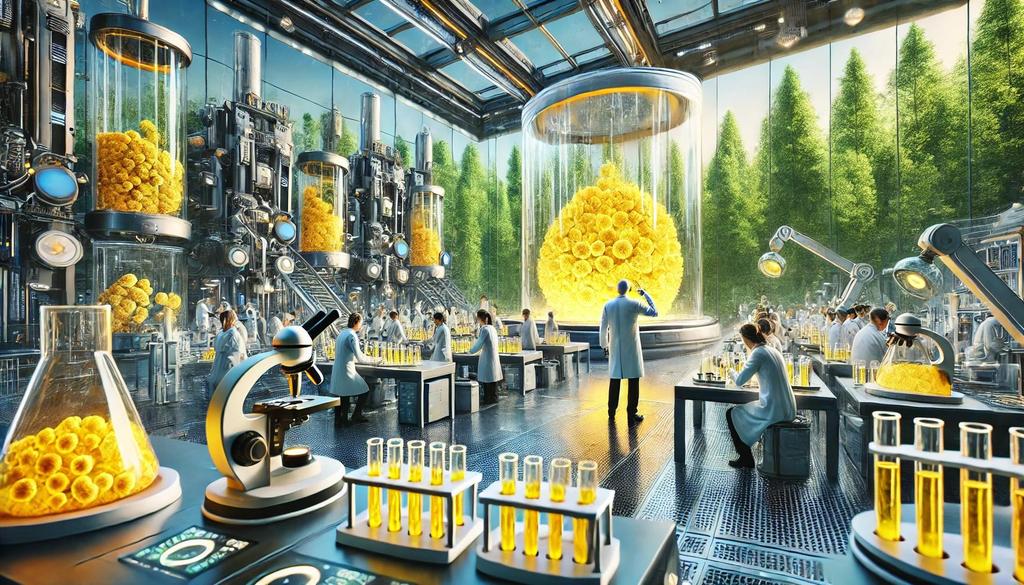
A recent groundbreaking advancement in this field comes from researchers at UC Berkeley, who have developed a yellow powder known as a covalent organic framework, or COF-999. Researchers have designed this material to efficiently capture CO2 from the air. Remarkably, just 200 grams of COF-999 can absorb the same amount of CO2 as a large tree in one year.
This powder works by using a network of tiny holes that trap CO2 molecules, making it a potential game-changer in carbon capture technology. Unlike traditional methods that can be energy-intensive, COF-999 releases the stored CO2 at a lower temperature, making the process more energy-efficient and scalable for industrial applications.
Compared to other carbon capture, utilization, and storage (CCUS) methods, the COF-999 powder offers a cost advantage due to its lower energy requirements for releasing captured CO2. Traditional CCUS techniques often involve heating materials to very high temperatures, which can be both expensive and energy-intensive. In contrast, COF-999 operates efficiently at significantly lower temperatures, reducing overall energy costs and making it a more economical and scalable solution for industrial applications.
Wind-Powered Carbon Capture Projects
In Texas, an innovative project named Project Concho is leveraging wind energy to power carbon capture technologies. This plant aims to vacuum up CO2 from the atmosphere, capturing and storing it underground, with plans to expand to 500K tons per year.
This initiative represents a significant step towards the integration of renewable energy and carbon capture, as it is the first of its kind to run entirely on wind energy. Such projects not only target emission reduction but also create a roadmap for sustainable energy practices.
Project Concho represents a significant investment of $100 million, highlighting the financial commitment to advancing eco-friendly technologies. Such substantial investment implies confidence in the project’s profitability and its potential to yield returns by tapping into the growing market for carbon credits and sustainable energy solutions.
Project Concho, located in Tom Green County, Texas, utilizes Skytree’s advanced Direct Air Capture (DAC) technology, which is seamlessly integrated with a wind farm constructed by Greenalia to ensure 100% renewable energy. This innovative collaboration between renewable energy and carbon capture developers, including Return Carbon and Verified Carbon, optimizes energy usage and maximizes CO2 capture efficiency, setting a new standard for large-scale carbon removal projects.
Bridging Technologies with Direct Air Capture
Direct Air Capture (DAC) technology is another promising avenue. By pulling CO2 directly from the air, DAC systems can significantly contribute to reducing atmospheric carbon levels.
These systems use fans and chemical processes to extract CO2 from the air, allowing for its subsequent conversion into fuels or long-term storage. This approach is part of a broader strategy to turn carbon emissions into practical, sustainable solutions, integrating them into a circular economy where waste becomes a resource.
The U.S. Department of Energy’s recent notice of intent to fund $1.8 billion for transformational Direct Air Capture projects underscores the significant economic potential seen in these technologies. This level of investment not only reflects the anticipated environmental benefits but also signals lucrative opportunities for industries to leverage DAC systems in creating valuable fuels and products from captured CO2. It highlights the growing interest and confidence in the future of carbon capture technology.
Linking Carbon Capture and Hydrogen Innovation
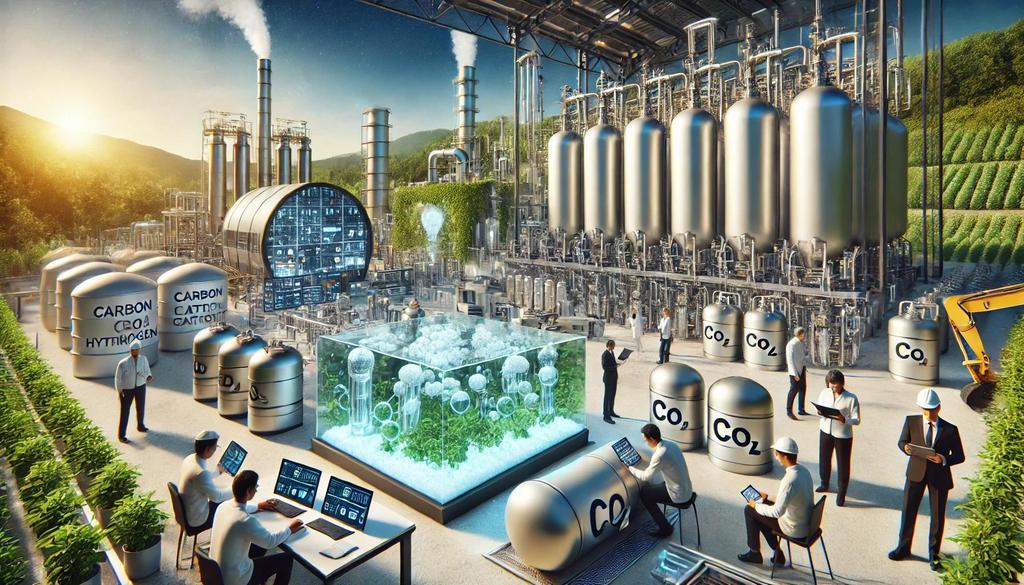
The intersection of carbon capture technology and hydrogen production represents a groundbreaking approach to creating a sustainable energy landscape. This integration tackles two of the biggest challenges in the energy sector: reducing carbon emissions and providing clean, efficient energy solutions.
Carbon Capture: The Foundation of a Circular Economy
Carbon capture technology aims to trap CO2 emissions from industrial sources before they reach the atmosphere. It acts as a protective measure to prevent further contributions to climate change. Innovative processes can store the captured CO2 underground, repurpose it for enhanced oil recovery, or convert it into fuels. This technology plays a critical role in creating a circular economy where CO2 is continually recycled and reused, reducing overall emissions and mitigating harmful environmental impacts.
Synergy with Hydrogen Production
Hydrogen, often touted as the fuel of the future, is made cleaner and more sustainable through electrolysis—a process where electricity splits water into hydrogen and oxygen. When this electricity comes from renewable sources, the resulting hydrogen is termed “green hydrogen,” offering an energy source that essentially has no carbon footprint. By combining carbon capture with green hydrogen production, industries can use the captured CO2 in synthesizing electrofuels, driving down emissions while simultaneously producing valuable energy carriers such as eDiesel and eJet fuel.
The Role of Hydrogen Hubs
In the United States, the Biden administration has initiated the creation of hydrogen hubs across various regions. The design of these hubs aligns with nationwide efforts to transition to a more sustainable energy system by boosting domestic production and utilization of clean hydrogen. The hydrogen hubs aim to reduce emissions in high-energy sectors by leveraging diverse energy sources, including solar, wind, and nuclear, to produce hydrogen efficiently.
Economic and Job Growth
Hydrogen hubs represent more than just a technological advancement—they offer significant economic opportunities. By fostering job creation and encouraging investment in green technologies, these hubs serve as catalysts for economic revitalization in regions transitioning away from traditional fossil fuels. The combination of job growth and technological innovation positions these hubs as central pillars in America’s energy future.

Technological Innovations in Carbon-Based Fuels
Turning CO2 from an atmospheric burden into a viable fuel source, black gold, lies at the cutting-edge of current environmental technologies. This transformation promises to reduce emissions while simultaneously creating sustainable fuel options for the future.
The Rise of eFuels
Electrofuels, also known as eFuels, offer a unique approach to fuel production by utilizing renewable electricity, water, and CO2. Companies like Infinium are leading the charge in this area by developing processes that convert captured CO2 into liquid fuels suitable for use in current engines. This approach effectively recycles carbon emissions and integrates them back into the energy cycle by producing fuels like gasoline, diesel, and aviation fuel through a clean, efficient method.
From Greenhouse Gas to Green Energy
With the help of renewable energy-powered electrolysis, Infinium’s technology captures CO2 emissions from industrial processes and combines them with hydrogen. Through a series of chemical reactions, this mixture is then transformed into synthetic fuels. This not only aids in reducing the carbon footprint of industries but also sets an example for sustainable energy production and economic growth.
Sustainable Aviation Fuel (SAF)
The aviation industry is embracing Sustainable Aviation Fuel (SAF) derived from CO2 as a way to dramatically cut down its carbon emissions. SAF can reduce life-cycle greenhouse gas emissions significantly compared to conventional jet fuels. By converting CO2 into jet fuel, innovators like Twelve are paving the way for greener skies. Their process involves using CO2 captured from industrial emissions to produce fuels that match the chemical properties of traditional jet fuel, meaning they can be used in existing aircraft engines without modification.
Transformative Aerodynamics
Sustainable aviation represents a promising sector where carbon management technologies shine by turning what would be waste into valuable, low-emission energy sources. This transition is crucial as air travel continues to rise, and addressing its environmental impact becomes increasingly important.
Synergy with Green Ammonia
Another frontier in carbon-based fuels is the development of green ammonia, a clean fuel produced using renewable energy sources. Green ammonia acts as both a storage medium for renewable energy and a fuel in itself, offering a dual benefit. It can be used directly in maritime and heavy industry applications, reducing reliance on fossil fuels. Infinium’s partnership with Amogy aims at revolutionizing this sector, merging eFuels technology with ammonia production to offer a comprehensive solution for sustainable transportation and energy storage.

International Collaboration and Policy Frameworks
Addressing climate change is a global challenge, requiring international cooperation and comprehensive policy frameworks to ensure successful, unified efforts. This necessity becomes even more pertinent as nations strive to meet the ambitious goals set by the Paris Agreement.
U.S.-China Collaboration on Carbon Dioxide Removal
The United States and China, as the world’s largest carbon emitters, are pivotal players in the global climate landscape. A report by the University of Maryland and Chinese Ministry of Science and Technology emphasizes the urgency for these two nations to collaborate on Carbon Dioxide Removal (CDR) technologies. This partnership could significantly expedite the development and implementation of CDR solutions, fostering innovations like Direct Air Capture (DAC) and afforestation.
Overcoming Policy Disparities
While both countries recognize the potential of CDR, their policy approaches differ substantially. The U.S. implements a combination of federal laws and economic incentives, such as the 45Q tax credits, to promote the adoption of carbon capture technologies. In contrast, China’s strategic planning and voluntary policies play a central role in its environmental strategy. Aligning these differences through bilateral cooperation can strengthen global carbon reduction efforts and provide a model for other nations to follow.
Global Policy Frameworks for Sustainable Development
The Global 2035 NDC Report outlines pathways to enhance global ambition for greenhouse gas reductions, emphasizing the need for high-ambition pathways to reach a 35% reduction by 2035 [summary provided]. Implementing robust, targeted policies will drive the energy transition by focusing on clean energy adoption, deforestation prevention, and methane reduction initiatives.
Collaborative Efforts and Key Strategies
Collaboration among countries and between subnational actors is critical to achieving these goals. By sharing technology, expertise, and resources, nations can accelerate the adoption of clean energy solutions, creating a cohesive and united front against climate change. As countries like the U.S., EU, and China take leading roles, they set examples for global cooperation that can inspire similar initiatives worldwide.
Socioeconomic Impacts and Opportunities
The transition to clean energy is not just an environmental imperative—it’s an opportunity for socioeconomic growth. Advancements in technologies such as green ammonia and eFuels have the potential to reshape economies by creating jobs and fostering new industries. Regions that embrace these changes can find themselves at the forefront of a new green economy, benefitting both their citizens and the global community.
Through strategic international collaboration and the development of clear, effective policies, we can ensure a sustainable future that leverages carbon as a resource rather than viewing it solely as a pollutant. This unified effort is crucial to mitigating climate change and safeguarding the planet for future generations.
Social and Economic Impacts
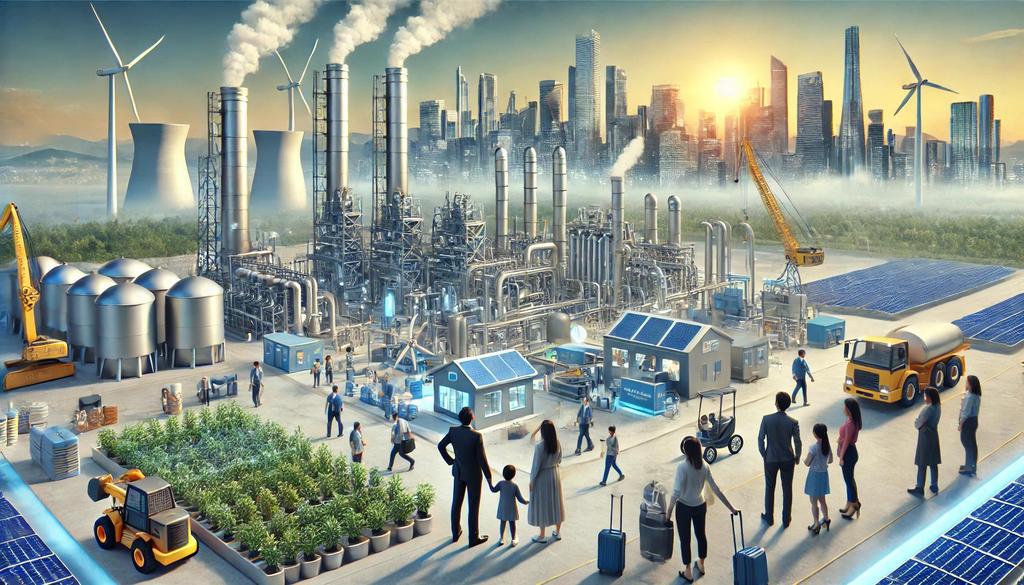
As the world pivots toward sustainable energy solutions, the social and economic implications of these changes are profound and multifaceted. By harnessing innovative technologies for carbon management, we set the stage for not only reducing greenhouse gas emissions but also driving crucial socioeconomic transformations.
Job Creation and Economic Growth
One of the most significant benefits of transitioning to a low-carbon economy is job creation. In regions like Louisiana, projects such as GeoDura’s carbon storage initiative are helping to create new employment opportunities tailored to the evolving energy market. These projects do not just stop at job creation; they help transform local economies by shifting the workforce from traditional fossil fuel industries to green technology sectors.
With an investment of $26 million in federal funding, the GeoDura carbon storage project not only promises significant job creation but also aims to stimulate economic growth in Louisiana, a state that often struggles with lower income levels. This financial injection can revitalize local economies by attracting further investment and fostering a skilled workforce poised to drive innovations in green technology.
Training and Skill Development
The emergence of sustainable energy technologies also necessitates a new set of skills. As these technologies advance, so does the need for specialized roles in engineering, manufacturing, and management. Many companies are investing in skill development programs to equip existing workers with the knowledge they need to thrive in renewable technology sectors, fostering a culture of lifelong learning and adaptability.
Community Resilience and Environmental Justice
Incorporating sustainable practices not only fosters economic growth but also enhances community resilience. By developing clean energy sources and improving air quality, particularly in communities heavily impacted by industrial pollution, we can offer both health and quality-of-life improvements. This progress is an essential step toward achieving environmental justice where all communities, regardless of socioeconomic status, benefit from clean technologies.
Empowerment Through Innovation
Sustainable energy projects empower local communities by allowing them to play an active role in the global fight against climate change. Transitioning to renewable energy sources can stimulate grassroots movements and encourage local entrepreneurship as communities seek to capitalize on new opportunities presented by a green economy.
Challenges and Future Outlook
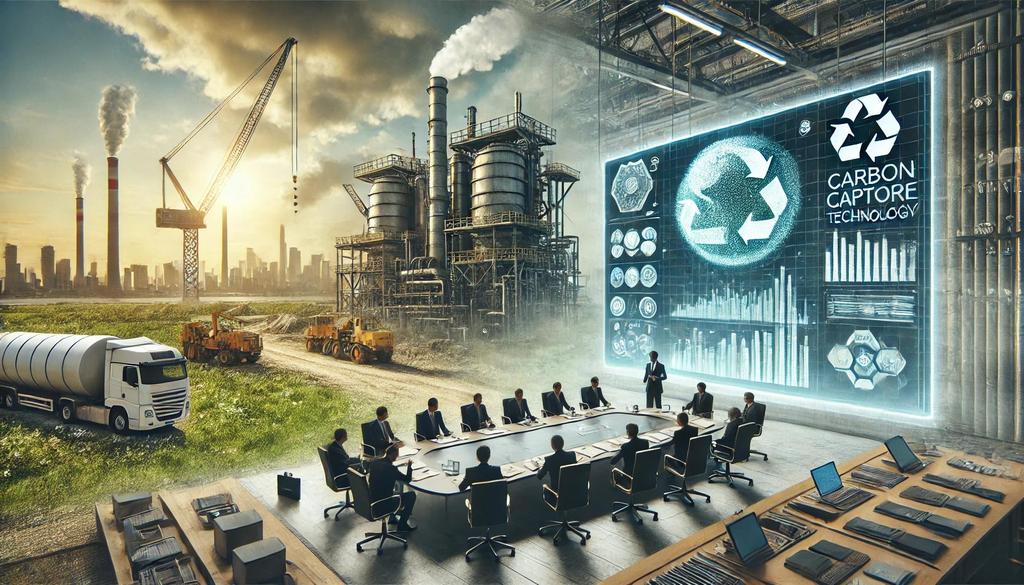
Promising technologies and collaborative projects pave the way to a sustainable carbon economy, but overcoming numerous challenges is necessary for long-term success and widespread adoption.
Overcoming Technical and Financial Obstacles
One of the main challenges lies in the technical and financial realms. Developing and scaling new carbon capture and conversion technologies require substantial investment and technological advancements. Funding remains a pivotal issue, as these projects often rely on both private investments and government subsidies to become economically viable. Moreover, the initial costs of deploying new technologies can be steep, hindering widespread adoption in some regions.
Scaling Up and Cost Reduction
Innovations such as eFuels and green hydrogen hold great potential, but they need to be produced at a scale large enough to reduce costs and provide a competitive alternative to traditional fuels. Collaborative efforts between governments and the private sector are crucial to increase economies of scale, which will drive down prices and make these sustainable options more accessible to a wider market.
Policy and Regulatory Frameworks
Alongside financial hurdles, establishing appropriate policy and regulatory frameworks is crucial. It is the responsibility of policymakers to foster an environment that fosters innovation and guarantees the safety and benefits of technologies for both individuals and the environment. This includes implementing standards for carbon capture efficiency and setting incentives that encourage industries to transition to cleaner manufacturing processes.
Navigating Bureaucratic Challenges
Regulatory processes can be complex and time-consuming, often delaying the deployment of new technologies. Streamlining these processes and setting clear guidelines can aid companies in navigating the bureaucratic landscape and expedite the shift towards a sustainable future.
Long-Term Vision and Global Cooperation
Looking ahead, the future of carbon management and sustainable energy relies heavily on continued international cooperation and robust long-term strategies. Countries must work collaboratively, sharing research, technology, and best practices to create a cohesive global response to climate change.
The Road Ahead: Continuous Innovation
Innovation will remain at the forefront of achieving a carbon-neutral future. By investing in research and development, we can accelerate the development of next-generation technologies that improve efficiency and open new frontiers in carbon utilization. Emerging technologies may provide even more effective solutions as they evolve, continually reshaping and refining the strategies used to address climate challenges.
As we embrace the challenges and opportunities presented by climate action, the transformation toward a sustainable carbon economy stands as a testament to human ingenuity and resilience. The path is not without obstacles, but with collective effort and unwavering commitment, we can carve a way to a cleaner, greener future that ensures prosperity and health for generations to come.
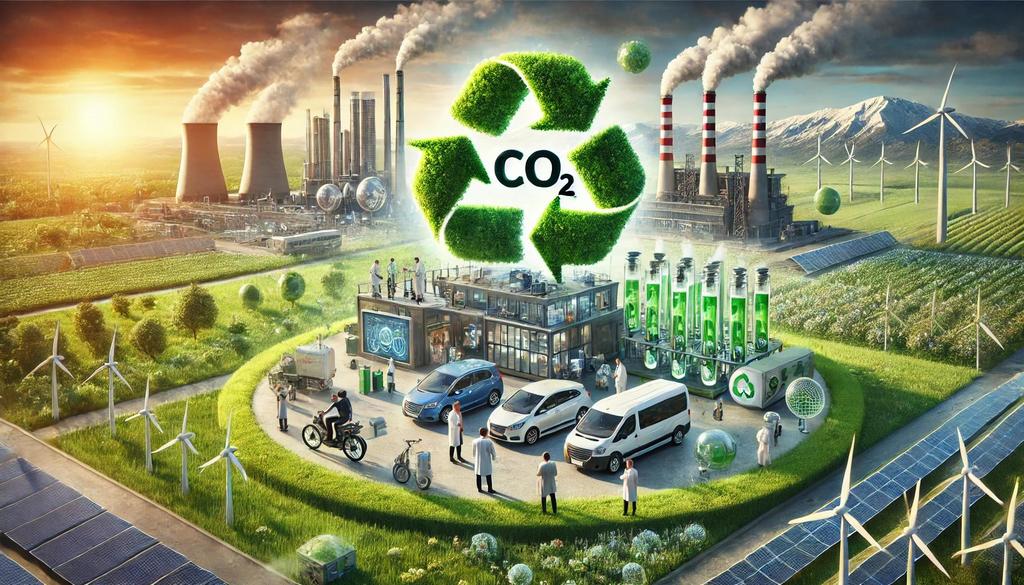
Carbon’s New Role: Harnessing CO2 and Hydrogen Innovations for a Sustainable Future
As we navigate through the profound changes required to mitigate climate change, the narrative surrounding carbon is evolving. Carbon, once viewed solely as an atmospheric pollutant, is now transforming into a valuable asset that is leading the way towards a sustainable energy future. This transformation isn’t just about technological advancements; it’s about reimagining our relationship with the environment and how we utilize resources.
The growing field of carbon capture and utilization highlights this change, revealing possibilities where CO2 is not just captured but also converted into useful fuels and industrial products. As seen with innovations like COF-999 carbon sequestration powder and the development of electrofuels from direct air capture, these technologies aim to create a circular carbon economy where waste is minimized and sustainability is maximized.
The integration of hydrogen technology, particularly through the creation of hydrogen hubs, showcases how clean energy sources can support and enhance carbon reuse strategies. These hubs promise not just environmental gains but economic revitalization, providing new jobs and industrial growth while helping reduce greenhouse gas emissions.
However, reaching a sustainable future is not without challenges. We still need to fully address key hurdles such as technological scaling, policy development, and international cooperation. As nations strive to meet the targets of the Paris Agreement, collaborations, like those between the U.S. and China, become crucial for global success.
The promise of carbon as a sustainable resource offers a hopeful path forward. It underscores the need for continuous innovation, collaborative efforts, and a commitment to integrating these technologies into daily life. By embracing this new role for carbon, we take significant strides toward a sustainable, prosperous future that aligns economic growth with environmental stewardship, ensuring a healthier planet for generations to come.


