
The renewable energy sector is experiencing a profound transformation, largely fueled by rising global awareness of climate change. Significant policy changes across the globe are paving the way for a sustainable future. In Poland, for example, there is a strong commitment to developing green energy. This commitment is evident through various Green Energy and Renewable PR in Poland, initiatives like these are aimed at promoting renewable energy sources.
These policy shifts are not just altering energy production and consumption; they are also reshaping the broader economic landscape. In this article, we will delve into the specific ways these policies influence the future of renewable energy and examine the implications for both the environment and the economy.
Government Policies and Regulations
Countries around the world are actively introducing policies designed to promote the development and adoption of renewable energy sources. These initiatives play a vital role in decreasing dependence on fossil fuels. Additionally, they foster the growth of cleaner alternatives like wind, solar, and hydroelectric power.
Key policy changes driving the renewable energy sector include:
- Incentives for Clean Energy: Many governments offer tax breaks, grants, and subsidies to companies and individuals investing in renewable energy projects.
- These incentives make green energy more accessible and affordable, encouraging widespread adoption.
- Carbon Pricing and Emissions Trading Systems: Carbon pricing mechanisms, including carbon taxes and emissions trading systems, aim to assign a cost to carbon emissions.
- These strategies encourage companies to minimize their carbon footprint. By doing so, businesses are motivated to invest in cleaner technologies and sustainable practices.
- Renewable Portfolio Standards (RPS): Renewable Portfolio Standards (RPS) require utilities to obtain a specific percentage of their energy from renewable sources.
- This regulation mandates a shift toward green energy. Additionally, it fosters the development of a stable market for renewable energy providers.

Impact of Renewable Investments
Policy changes are significantly influencing investment decisions in the energy sector. Stronger climate and environmental policies make renewable energy projects more attractive to investors. This shift is evident in the increasing capital flow towards green energy projects, while investments in fossil fuels are declining.
- Lower Cost of Capital: Policies reduce the financial risks associated with renewable energy investments.
- Increased Investor Confidence: Clear and consistent policies boost investor confidence in the renewable energy sector.
Technological Advancements
Policies are also driving technological advancements in the renewable energy sector. Governments are funding research and development to create more efficient and cost-effective renewable energy technologies. Solar, wind, and battery storage innovations are making renewable energy more accessible and reliable.
- Solar Power: Advances in photovoltaic technology are increasing efficiency and reducing costs.
- Wind Energy: New turbine designs are capturing more energy from the wind.
- Energy Storage: Improved battery technologies enable better storage and distribution of renewable energy.
Job Creation in Renewable Energy
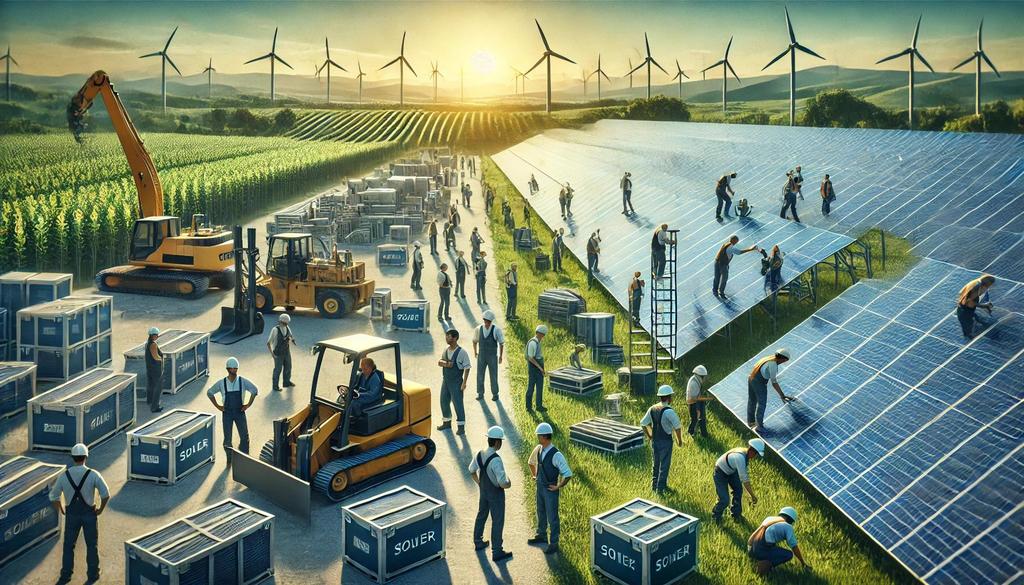
Job creation is one of the most significant benefits of policy changes in the renewable energy sector. As countries invest in renewable energy projects, new job opportunities are emerging across various sectors, including manufacturing, construction, maintenance, and research and development.
Global Collaboration
International collaboration plays a vital role in the effectiveness of renewable energy policies. Countries are joining forces to exchange knowledge, technologies, and best practices. This teamwork is essential in tackling global challenges, including climate change and energy security. By sharing resources and expertise, nations can develop more effective strategies for sustainable energy solutions.
- Joint Research Projects: Countries are partnering on research initiatives to develop new technologies.
- Policy Alignment: Harmonizing policies across borders to create a cohesive approach to renewable energy.
Challenges and Opportunities
While policy changes have facilitated significant progress, challenges remain. The intermittent nature of renewable energy sources, such as wind and solar, necessitates advancements in storage solutions and grid infrastructure. Additionally, industries that heavily rely on fossil fuels face complex and costly challenges during the transition to cleaner energy.
Despite these difficulties, there are significant opportunities for growth and innovation. As countries increase their investments in renewable energy, the sector is expected to evolve. This evolution will lead to a cleaner and more sustainable energy future for all.
Policy Shifts Revolutionize the Renewable Energy Sector
Policy changes are significantly influencing the future of the renewable energy sector. Government initiatives, investment incentives, and advancements in technology are all crucial components of this transformation. Additionally, global collaboration and effective public relations efforts are helping to promote sustainability and energy efficiency.
As these policies evolve, the renewable energy sector is expected to play a vital role in tackling global energy challenges. The commitment to sustainable practices will enhance energy production and address urgent environmental concerns.


