
The population on earth will grow to be 9 billion by 2050. This increase is causing an upsurge in the water, soil, and atmosphere. Climate change has reached a tipping point. Without immediate intervention, the next three decades could bring irreversible damage to global climate systems. Rising energy demand is straining Earth’s limited resources, fueled by a growing population that requires more food, transportation, and housing.
As urban areas expand, the urgency for sustainable, long-term solutions becomes clearer. Climate-related disasters—stronger storms, prolonged heat waves, and severe floods—are increasingly common, displacing millions and costing billions in damage. These events erode infrastructure, reduce agricultural yields, and threaten public health.
Experts worldwide agree: the most effective way to limit this harm is to reduce emissions and invest in cleaner, more sustainable energy systems.
Communities investing in clean energy today are building a foundation for a more sustainable and secure tomorrow. Meanwhile, individuals are increasingly drawn to low-impact leisure activities that align with eco-conscious values. Some explore online entertainment options as a stress-free alternative—where you can activate a Richard Casino promo code today and unwind from the comfort of home.
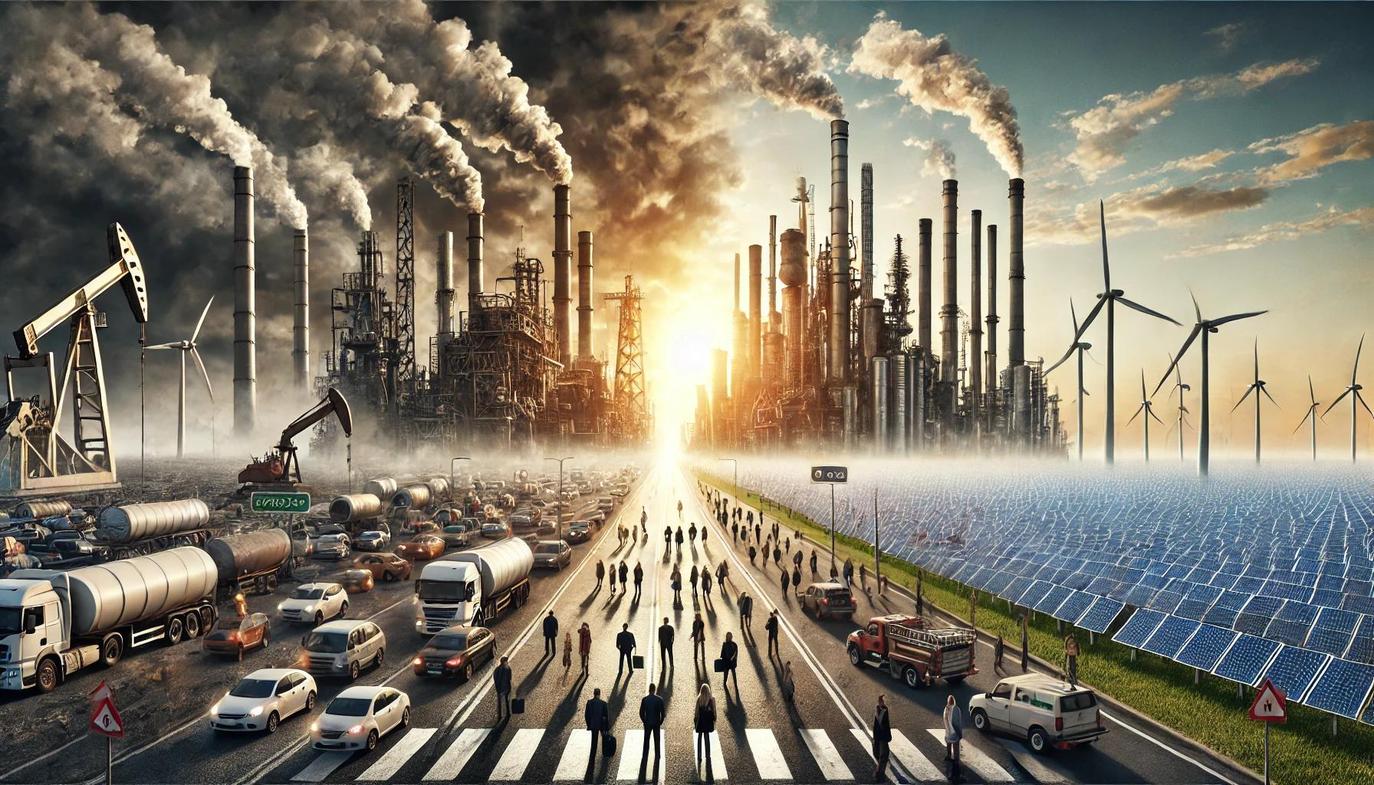
The Global Energy Crisis and the Need for Cleaner Alternatives
Modern life depends on energy—from powering homes and industries to fueling global transportation networks. Nevertheless, most of this energy still comes from fossil fuels like oil, coal, and natural gas—resources that are finite, increasingly expensive to extract, and deeply polluting.
Fossil fuel combustion is the leading contributor to greenhouse gas emissions, accelerating global warming and harming ecosystems. Air and water pollution from these sources also pose serious health risks to humans and wildlife. This reality has created an urgent need for sustainable alternatives.
Clean, renewable energy sources—such as solar and wind—offer a path forward. They provide consistent power with minimal environmental impact and can be scaled to meet the demands of growing economies. The International Energy Agency continues to monitor energy trends and warns that continued reliance on fossil fuels will worsen climate change and destabilize supply systems around the world.
How Clean Energy Is Expanding Across the Globe
Clean energy is growing rapidly. Key sources include:
- Solar panels
- Wind generators
- Hydropower
- Geothermal systems
- Biomass fuels
- Tidal and wave energy (especially promising for coastal regions)
By 2035, renewable sources are projected to supply more than half of the world’s electricity. Solar and wind power are becoming increasingly affordable, thanks to technological innovation and economies of scale in manufacturing. Countries with abundant sun and wind resources are investing heavily in these sectors because their energy inputs are both free and virtually limitless. To overcome intermittency, lithium-ion and solid-state batteries are being deployed to store energy for use when solar or wind output dips.
Reliability continues to improve with smarter infrastructure. Advanced transmission lines and smart grids balance supply and demand in real time, guided by digital monitoring and automation systems. Offshore wind farms in Europe and Asia now power millions of homes, while floating solar arrays on lakes and reservoirs generate energy without occupying valuable land.

Economic and Environmental Benefits of Clean Energy
Transitioning to clean energy in transportation dramatically lowers greenhouse gas emissions, leading to cleaner air that benefits both wildlife and public health. Reducing dependence on foreign fuel sources enhances energy independence and fosters resilience. At the same time, the clean energy sector stimulates economic growth by creating new industries and employment opportunities in advanced technology, manufacturing, and infrastructure development.
Benefits of Renewable and Clean Energy
Switching to clean energy delivers measurable advantages across environmental, economic, and health sectors.
- Lower emissions contribute to improved air quality and reduced respiratory issues.
- Producing energy domestically reduces reliance on volatile foreign fuel markets.
- New clean-tech industries generate employment in research, manufacturing, and operations.
- Renewable sources like sunlight, wind, and geothermal heat replenish naturally and sustainably.
- Modern energy systems enhance grid reliability, storage capabilities, and overall efficiency.
These benefits strengthen national economies and fortify long-term energy security.
Nations that invest in renewable infrastructure reduce their vulnerability to global energy price shocks and supply disruptions caused by geopolitical conflict.
Overcoming Infrastructure and Policy Hurdles in Renewable Energy
Scaling clean energy requires modern infrastructure and flexible storage systems. Because solar and wind production fluctuates with weather conditions, stable delivery depends on smart control technologies, battery networks, and grid upgrades. Large-scale renewable installations also face logistical challenges, such as land use constraints and permitting requirements.
Governments play a pivotal role in this transformation. Their decisions shape funding, infrastructure planning, and long-term energy policy. Clear regulations and targeted financial incentives can unlock private sector investment. When combined with strong public education campaigns, these policies accelerate clean energy adoption and foster local support for renewable projects.
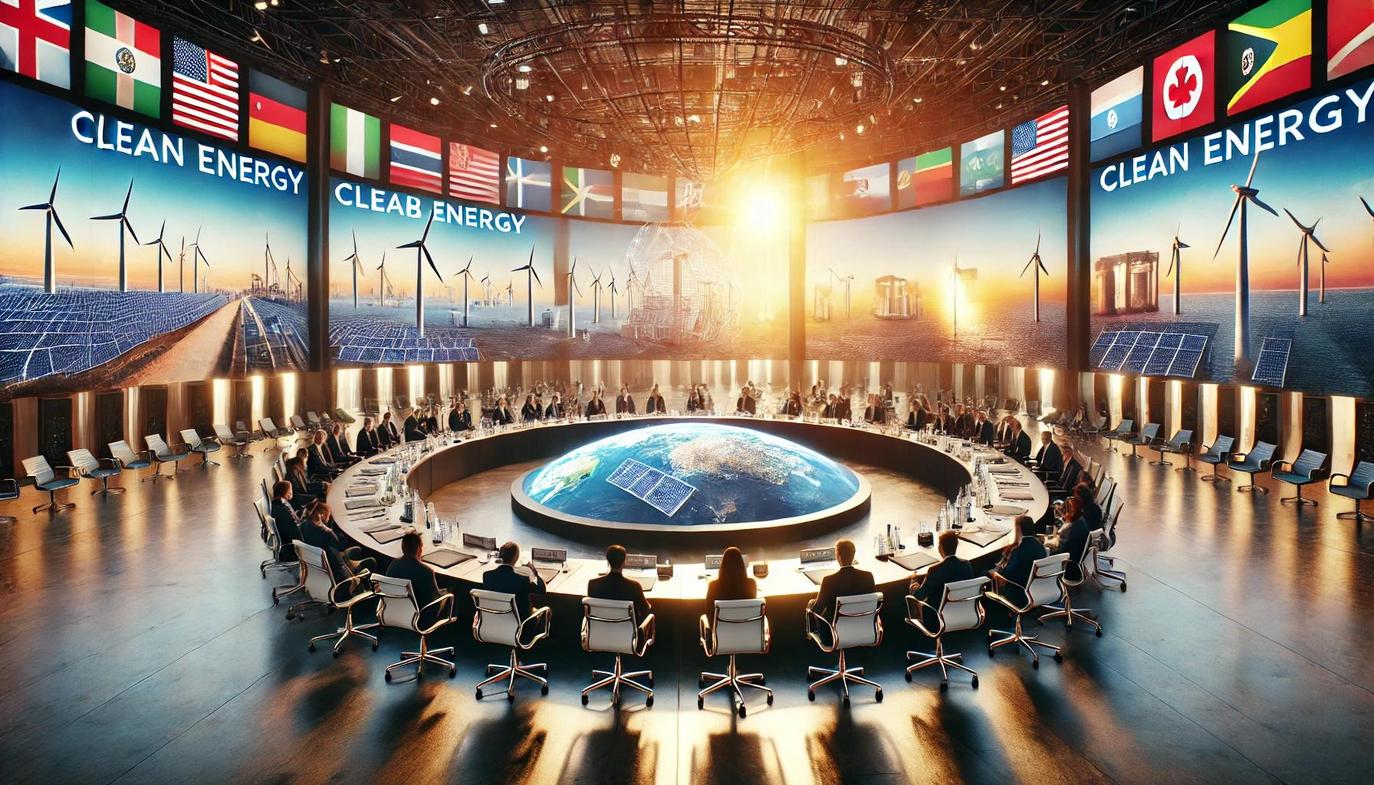
Global Commitments and Strategies for Clean Energy
The European Union is spending heavily on renewables. The goal is to cut reliance on imported oil and gas by 2027. The United States backs solar and wind power with government tax breaks. China and India are building more solar farms and wind farms in the ocean. As a clean way to get around, Japan is looking into hydrogen power.
Developing countries are supplementing the green energy supplies as a means of satisfying their constant energy demands. Individuals in rural communities can access solar panels and microgrids at an easier time because the technology is economical. This supports economic growth without increasing pollution. It also expands energy access, especially in remote areas. African people operate schools, hospitals, and other buildings with the use of solar electricity.
Working together with other countries speeds up growth. It is cheaper to study together, share technology, and use cross-border systems. The International Renewable Energy Agency and other groups keep track of success and spread the best ways to do things. Global warming funds help low-income countries with their projects.
How Clean Energy Reshapes Society and the Economy
Clean energy drives job growth. R&D, installation, maintenance, and operations have roles. People with training can work in renewable energy. Economic expansion benefits logistics, construction, and supply.
Affordable energy stabilizes communities. Local generation lowers risk from global fuel price swings. Solar microgrids are an example of a decentralized system that gives rural areas consistent electricity without having to transfer it over great distances.
Actionable Steps to Accelerate the Clean Energy Transition
Direct action moves the energy shift forward. Focused work lowers emissions and builds a reliable power supply.
- Invest in research for storage and grid efficiency.
- Upgrade infrastructure to handle variable output.
- Offer tax breaks and policies that support clean energy.
- Inform citizens about sustainable energy benefits.
- Collaborate internationally and transfer the technology and reduce emissions.
Clean energy adoption accelerates when governments, corporations, and individuals work together. Sharing knowledge and resources across borders reduces costs and improves efficiency.

Why Clean Energy Adoption Is the Key to a Stable Future
Clean energy is no longer just a concept—it’s a practical pathway to energy independence, climate resilience, and economic growth. From solar microgrids in rural regions to massive offshore wind farms powering coastal cities, renewable energy is building a more sustainable foundation for the future.
When nations invest in research, infrastructure, and collaboration, the benefits ripple across industries, communities, and generations. The transition may be complex, but it is underway—and those who act now will lead the next era of innovation and security.
Frequently Asked Questions About Renewable and Clean Energy
What are the main types of renewable energy?
The primary sources include solar, wind, geothermal, hydroelectric, biomass, and emerging technologies like tidal and wave power.
How does renewable energy help fight climate change?
It reduces greenhouse gas emissions by replacing fossil fuels, improving air quality, and slowing global warming.
Is renewable energy reliable for everyday use?
Yes. With smart grids and energy storage like lithium batteries, renewables can meet residential and commercial energy needs consistently.
What are the economic benefits of clean energy?
Clean energy drives job creation in tech, manufacturing, installation, and maintenance while reducing fuel import costs.
Why is investment in infrastructure so important?
Modern grids, smart systems, and storage solutions are necessary to handle renewable energy’s variability and ensure stable power delivery.


