
Kitchens have always been central to the home, but in the past few years they’ve become a hub for some of the most exciting technological innovation. Today’s smart appliances can connect to your phone, use artificial intelligence to fine-tune settings, and even learn your habits to optimize performance.
More importantly, the newest generation of these devices is built with sustainability in mind, combining advanced technology with energy-efficient engineering to help households lower their utility bills while reducing their environmental footprint. These innovations are no longer just for tech enthusiasts—they’re increasingly practical for everyday cooks who value convenience and responsibility in equal measure.
Smart kitchen appliances brilliantly solve multiple challenges simultaneously. Smart refrigerators can minimize food waste by tracking inventory and suggesting meals based on available ingredients, while induction cooktops heat more efficiently than gas or traditional electric options. AI-driven ovens automatically adjust cooking temperatures and times, ensuring perfectly prepared meals without unnecessary energy use. This creates a kitchen that operates smarter, reduces waste, and contributes positively to both the environment and your daily life.
Quick Facts About Smart and Energy-Efficient Kitchen Appliances
To illustrate the tangible benefits, here are some quick facts highlighting the efficiency of modern smart kitchen appliances:
- ENERGY STAR-certified appliances can use up to 15% less energy than standard models.
- Induction cooktops transfer heat with 74–77% efficiency, compared to about 40% for gas.
- Convection ovens cut cooking time by up to 30%, using about 20% less energy each month.
- AI-powered features like adaptive temperature control and predictive maintenance can yield an additional 10–15% energy savings.
- New U.S. Department of Energy efficiency standards for refrigerators will take effect by 2027, promising long-term savings and lower emissions.
These facts underscore how modern kitchen technology provides measurable benefits in both energy conservation and financial savings.
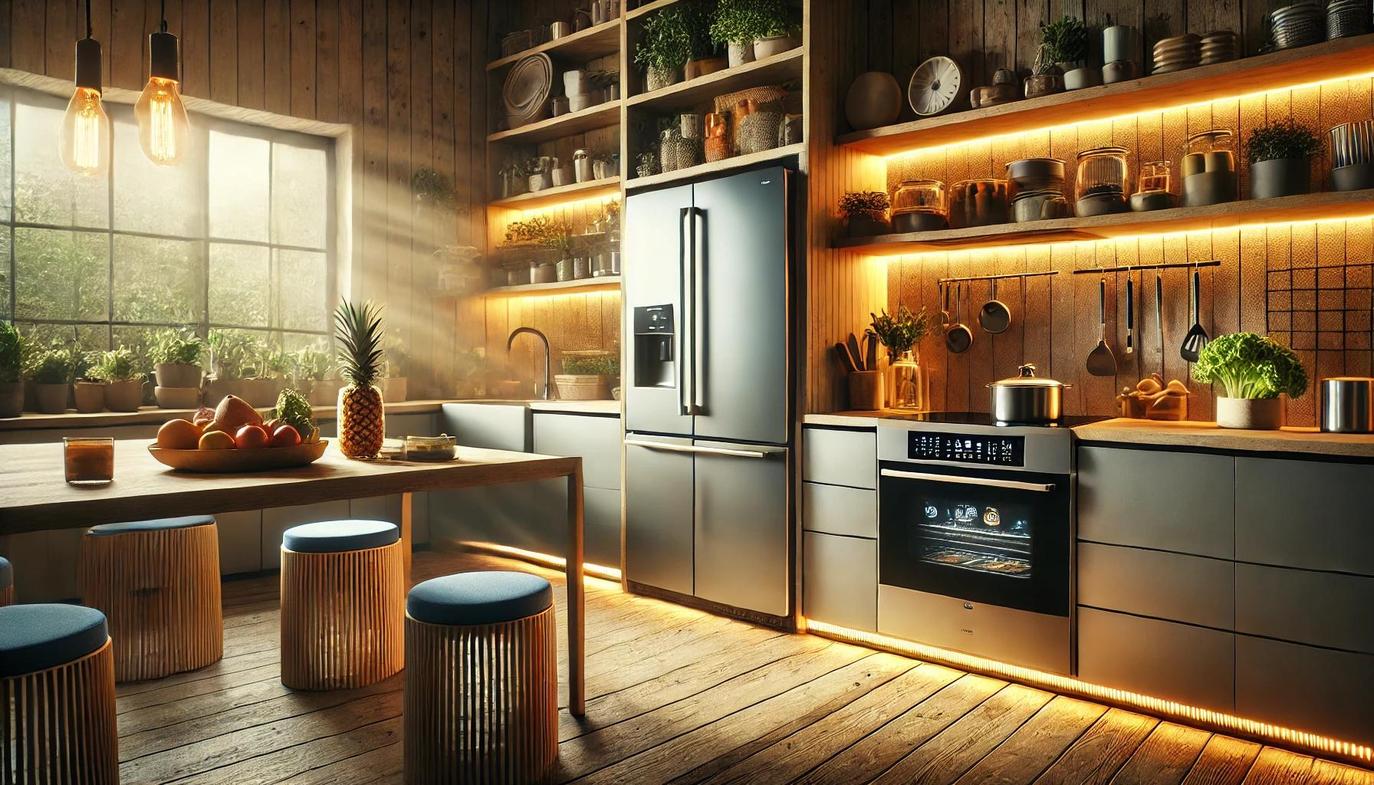
Why Smarter Appliances Aren’t Just Trendy—They’re Sustainable
When we think “smart,” it’s easy to picture sleek touchscreens or voice commands—yet the true innovation unfolds through internal engineering. Manufacturers are designing devices to use less power, waste fewer resources, and extend their operational lifespan. This translates into fewer raw materials consumed over time, reduced greenhouse gas emissions, and lower household utility bills.
Smart refrigerators like the Samsung 4-Door Flex with AI Family Hub+ use AI-powered cameras and energy-optimized cooling cycles to reduce power consumption and keep groceries fresher for longer. By helping households plan meals with what’s already on hand, these appliances cut food waste and minimize unnecessary trips to the store, delivering measurable savings for both the environment and the family budget.
The environmental benefit extends beyond day-to-day efficiency. By incorporating modular parts and self-diagnostic AI, many of today’s appliances are designed for easier repair and longer operational lives, significantly delaying the need for replacement. This directly leads to fewer discarded units in landfills and a reduced demand for new manufacturing—both critical steps for minimizing the kitchen’s ecological footprint.

Choosing Smart, Energy-Saving Kitchen Gear
Selecting the optimal appliance requires more than simply choosing one with the most features. It’s essential to balance performance, energy efficiency, and long-term value.
ENERGY STAR Certification and Efficiency Ratings
Always start by looking for the ENERGY STAR label. It’s the gold standard for independently verified efficiency, ensuring the product meets strict guidelines for energy use. Pair that with checking the appliance’s energy consumption figures, which are often listed in kilowatt-hours per year. Lower numbers mean less electricity consumed—and less strain on your utility bills.
Cooking Technology: Induction, Gas, and Convection
If you cook often, your choice of stove or oven has a huge impact on your household’s energy footprint.
- Induction cooktops are the most efficient, using magnetic fields to directly heat your cookware while keeping the surrounding surface cool. This minimizes wasted energy and speeds up cooking.
- Convection ovens circulate hot air for more even cooking, cutting down time and energy use compared to traditional ovens.
- While gas has long been a favorite for its responsiveness, it lags behind in efficiency and produces more direct emissions in the home.
Smart Features Reduce Waste and Optimize Energy Use
Look for AI-driven features that go beyond convenience. Adaptive temperature control in ovens ensures food is cooked perfectly without overusing heat. Refrigerators with inventory tracking help you avoid overbuying. Smart plugs and scheduling features can also automate shutdown times, preventing appliances from drawing power unnecessarily.

Top Smart & Energy-Efficient Appliances Worth Upgrading
Smart appliances have rapidly evolved from mere novelties to essential, performance-driven tools. Today’s leading models seamlessly combine intelligent automation with significant energy savings, empowering you to prepare meals, store food, and manage your kitchen with greater efficiency. These upgrades deliver tangible reductions in household utility costs and actively contribute to limiting environmental impact through resource conservation and waste reduction. To help you modernize your kitchen, consider these standout categories for optimal impact.

Intelligent Ovens for Precision Cooking
Modern smart ovens, such as the Ninja DCT451 12-in-1 Smart Double Oven, are designed to take the guesswork out of cooking through AI algorithms that can adjust cooking modes. This technology ensures meals are cooked evenly and to the desired doneness, which improves taste while avoiding overuse of energy.
Convection capabilities in many of these models can reduce cook times by up to 30%, lowering electricity consumption compared to conventional ovens. The combination of speed, accuracy, and efficiency makes them a valuable upgrade for home cooks who want both convenience and sustainability.

Smart Refrigerators That Cut Waste and Energy Use
A standout example, the Bosch 800 Series with Home Connect offers Wi-Fi controls that let you adjust temperatures, activate quick-cool functions, and receive maintenance alerts from your phone. Its reputation for quiet operation, energy efficiency, and seamless integration with smart home systems makes it a trusted choice for households seeking both reliability and sustainability.
By encouraging better meal planning, these features help reduce food waste, which is both an environmental and economic benefit. Paired with ENERGY STAR-certified energy efficiency, these refrigerators can also lower annual electricity costs without compromising performance.

Induction Ranges and Convection Cooktops for Speed and Efficiency
Induction technology heats cookware directly through magnetic fields, resulting in efficiency rates as high as 74–77% compared to about 40% for gas burners. This means faster boil times, more precise heat control, and less residual heat in the kitchen.
Convection cooktops, meanwhile, distribute heat evenly, allowing for faster and more consistent cooking results that save both time and energy.
Together, these technologies create a cooking environment that is responsive, energy-conscious, and ideal for a variety of dishes.
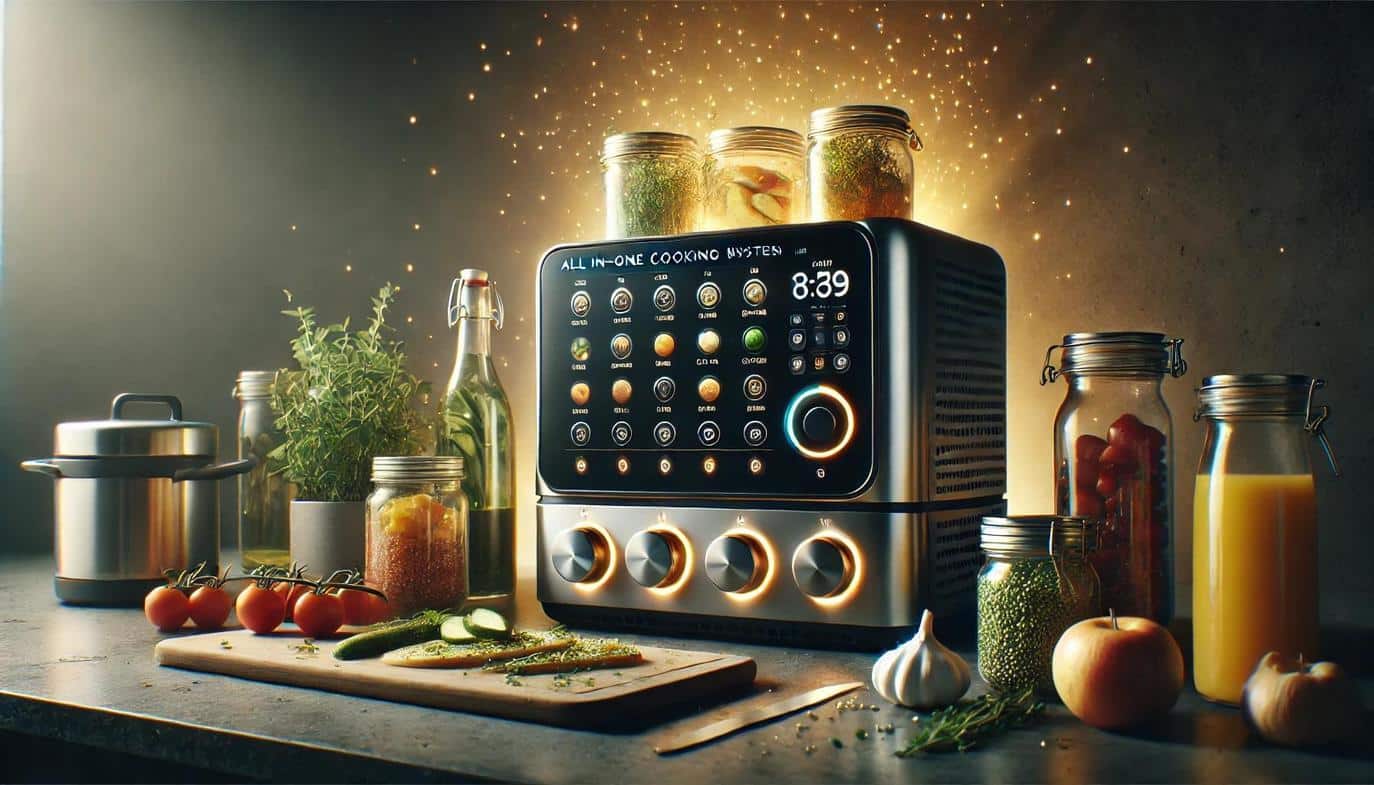
All-in-One Cooking Systems That Consolidate Functions
Devices like the Chef Magic Kitchen Robot combine multiple kitchen tools into a single, space-saving unit. With the ability to chop, knead, steam, sauté, and cook, these systems reduce the need for several individual appliances, lowering both manufacturing impact and household energy use. Many models include guided recipes and app integration, making it easier to prepare meals efficiently. The result is less clutter, streamlined cooking, and a measurable reduction in the cumulative energy demand of your kitchen.

Elevating Your Home: The Sustainable Smart Kitchen Advantage
The shift toward smart, energy-efficient kitchen appliances represents more than a passing trend—it’s a transformative investment in sustainability, efficiency, and an enhanced quality of life. Integrating AI-driven technology, advanced materials, and environmentally conscious engineering, smart kitchen appliances offer a unique blend of convenience and responsibility.
Every automated cycle, optimized temperature adjustment, and energy-efficient mode measurably contributes to reducing waste and lowering utility costs. This makes upgrading your kitchen not only a personal benefit but also a significant step toward more sustainable living.
Looking ahead, kitchen technology will continue to evolve, becoming even smarter and more integrated. We can anticipate appliances that communicate to coordinate energy use, systems that seamlessly integrate with renewable energy sources, and even greater personalization of cooking and storage.
For homeowners, this translates into more opportunities to enjoy high-performance kitchens that are as beneficial for the planet as they are for the people who gather in them. By making informed choices today, you’re setting a new standard for a cleaner, more efficient, and more enjoyable culinary future.
Your Smart Kitchen Questions Answered
1. Do Smart Appliances Really Save Energy?
Yes. Verified efficiency ratings like ENERGY STAR, combined with AI-driven optimization, can reduce energy use by 10–15% compared to non-smart models.
2. Are These Appliances Worth the Upfront Cost?
For most households, the long-term energy savings, reduced food waste, and extended appliance lifespan can offset the initial investment.
3. Can I Upgrade My Current Kitchen Without Replacing Everything?
Absolutely. Smart plugs, countertop appliances, and connected devices like app-controlled multicookers can bring many benefits without a full remodel.
4. Is Induction Cooking Safe for All Cookware?
Induction requires magnetic-based cookware, such as cast iron or stainless steel. You can test with a magnet—if it sticks to the bottom, it will work.
5. Do AI Features Add Complexity to Cooking?
They’re designed to simplify the process, not complicate it. Features like guided recipes and automatic settings make cooking more accessible, even for beginners.


