
Every year, countless lives are saved thanks to individuals trained in essential CPR and First Aid certification. Such certifications empower you with the knowledge and skills to respond effectively in emergencies, making a life-saving difference when every second counts.
Are you prepared to step up in critical situations? Keep on reading for more info.
What Do CPR and First Aid Certification Really Cover?
CPR, or Cardiopulmonary Resuscitation, focuses on restoring breathing and circulation during emergencies. First Aid training complements this by teaching you how to manage injuries and sudden illnesses effectively. Together, CPR and First Aid certification equip you with a comprehensive skill set tailored to handle various health and safety incidents.
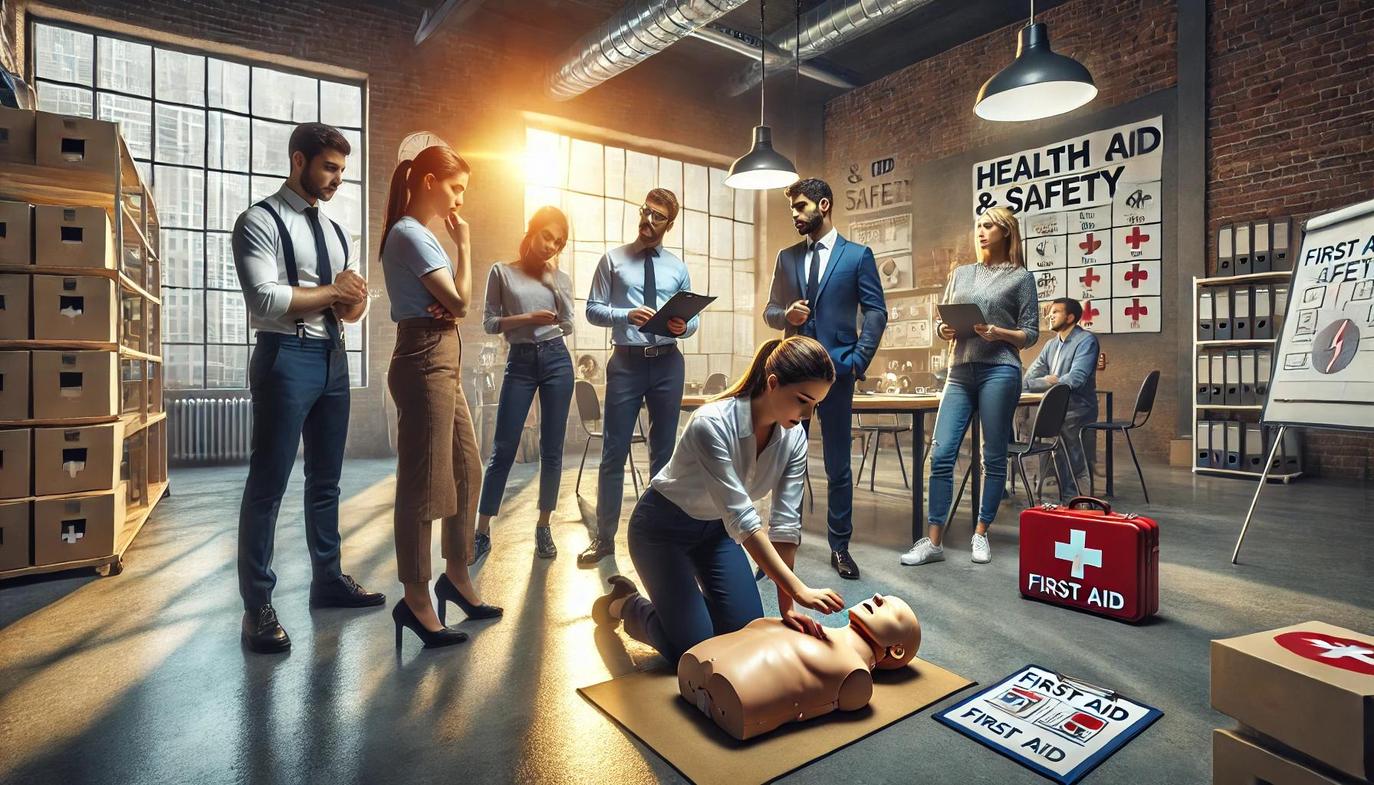
Why CPR and First Aid Certification Is Required for Workplace Safety
In many workplaces and community organizations, having certified individuals is not just beneficial; it’s often a regulatory necessity. Health and safety compliance ensures that organizations not only protect their staff but also meet local legal requirements. Below are compelling reasons why certification is crucial:
- Legal Requirement
- Enhanced Safety Culture
- Increased Response Confidence
- Better Outcomes
- Skill Refreshment
Legal Requirement
Many jobs require workers to take CPR and First Aid classes. These rules help keep workplaces safe. Following these rules helps avoid fines or problems.
Enhanced Safety Culture
When people know first aid, they actively create a safer environment. They remind others to follow safety rules, creating a more positive and secure environment for everyone.
Increased Response Confidence
Training makes people feel ready to help in emergencies. They’re less likely to freeze or panic under pressure. This makes them act faster and better when needed.
Better Outcomes
Quick and smart action can save lives. Well-trained teams help people more effectively. This means fewer serious injuries or deaths.
Skill Refreshment
Regular training keeps your skills sharp and introduces updated methods. It ensures you’re always prepared when emergencies strike. Be sure to research programs before enrolling to get more info.
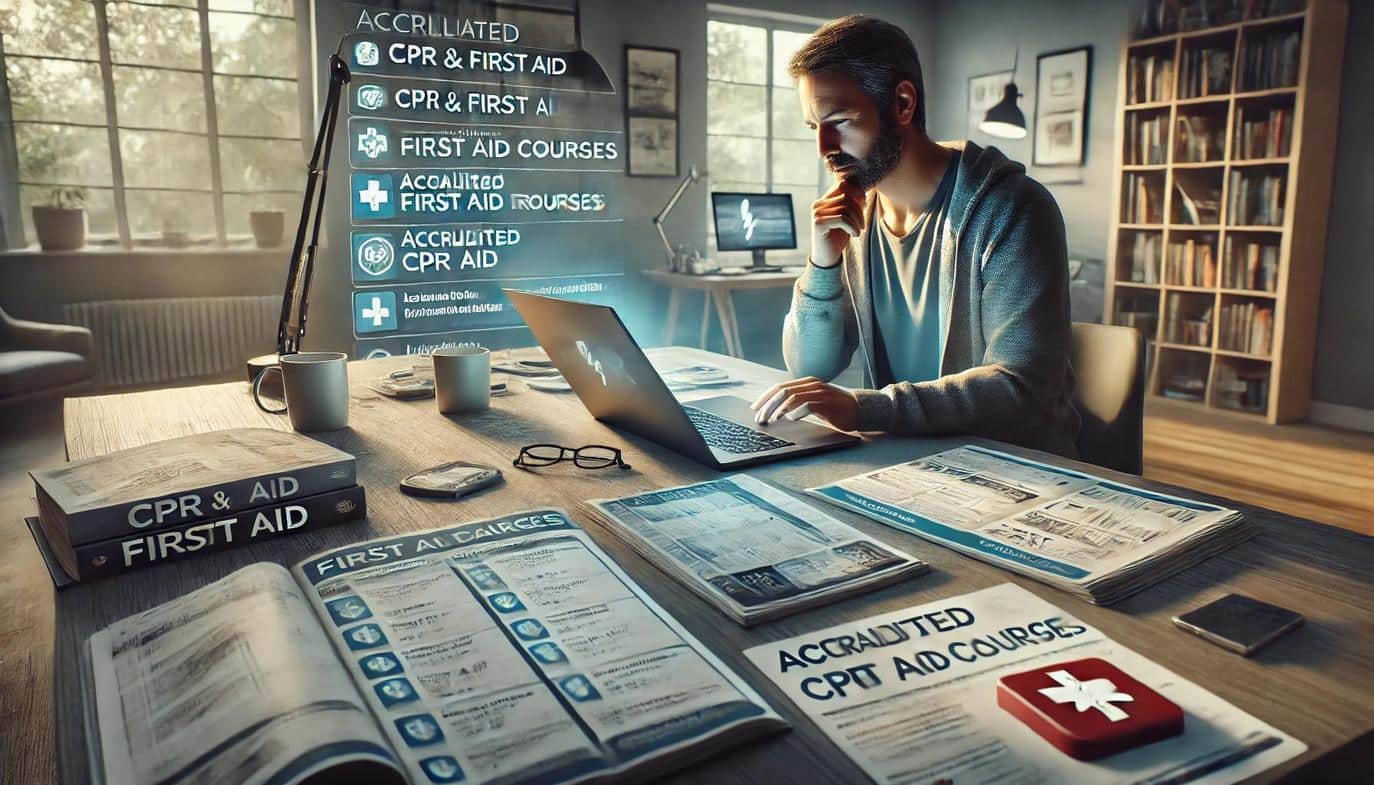
How to Choose the Best CPR and First Aid Training Program
When selecting a program for CPR and First Aid certification, there are several factors to consider. This will ensure you receive the best training. Here are a few examples:
- Accreditation
- Instructor Qualifications
- Course Content
- Hands-On Training
- Flexibility and Accessibility
Accreditation
Ensure that health and safety groups have approved the training program. This means it meets important standards. Accredited courses give you a trusted certification.
Instructor Qualifications
Check that teachers have proper training and experience. They should know how to handle emergencies well. Effective instructors help you learn better through their real-world knowledge and guidance.
Course Content
Choose courses that cover many types of emergencies. Look for up-to-date content that prepares you to handle diverse situations with confidence.
Hands-On Training
Look for programs that let you practice skills, not just watch videos. Real practice helps you remember what to do. Simulated drills prepare you for real events.
Flexibility and Accessibility
Pick courses that fit your busy life. They might be online or in a classroom. Being able to choose makes learning easier for you.
Take Action: Start Your CPR and First Aid Certification Now
Being ready for emergencies can save lives. Getting CPR and First Aid training helps you learn important skills. You also follow safety rules by doing this.
Good instructors will guide you step-by-step, so you feel confident during real emergencies. They’ll help you master the actions that save lives. Don’t wait—start your CPR and First Aid training today. The training you take today could be the reason someone lives to see tomorrow.

Why CPR and First Aid Certification Matter More Than Ever
Emergencies can happen at any time—in the workplace, at home, or in public spaces. Having CPR and First Aid certification equips you with life-saving abilities that make a real difference when it counts. Whether you’re a parent, teacher, coworker, or passerby, your training could mean the difference between panic and purpose.
Beyond personal empowerment, certification helps build a culture of safety and accountability. It strengthens compliance with health regulations and boosts confidence in crisis situations.
By taking that first step toward emergency preparedness, you help build a safer world for everyone around you.
Frequently Asked Questions about CPR and First Aid Training
What do CPR and First Aid training include?
Most courses include:
- CPR techniques
- Wound care
- Choking response
- Cardiac emergency handling
- Respiratory emergency procedures
Who should become CPR and First Aid certified?
Anyone can benefit from certification—especially teachers, coaches, parents, and workers in safety-sensitive roles.
How long is a certification valid?
CPR and First Aid certifications typically last 1–2 years. Renewal is recommended to keep your skills sharp.
Are online CPR courses valid?
Yes, the course is valid if it comes from an accredited provider and includes either hands-on skill demonstrations or proctored assessments.
How can I find the right program for me?
What should I look for in a CPR and First Aid program? Choose one that’s accredited, flexible, and led by experienced instructors.

