
The world is shifting toward sustainability as concerns about climate change, pollution, and resource depletion grow. Renewable energy has become a key focus in the transition to a cleaner, more sustainable future. Unlike fossil fuels, renewable sources like solar, wind, and hydroelectric power produce little to no emissions and can be replenished naturally.
Governments, businesses, and individuals are making significant investments in renewable energy solutions to reduce their carbon footprint and promote long-term energy security. Many countries have set ambitious goals to phase out coal and oil dependency in favor of clean energy. Technological advancements and policy support are making renewable energy more accessible and efficient.
However, the transition to a renewable energy-based economy requires more than just new technology. It demands effective management and strategic planning. Developing, implementing, and optimizing renewable energy projects requires professionals with expertise in both energy systems and business management. Individuals who can bridge the gap between technology and real-world application are crucial for the future of renewable energy.
The Growing Importance of Renewable Energy Management
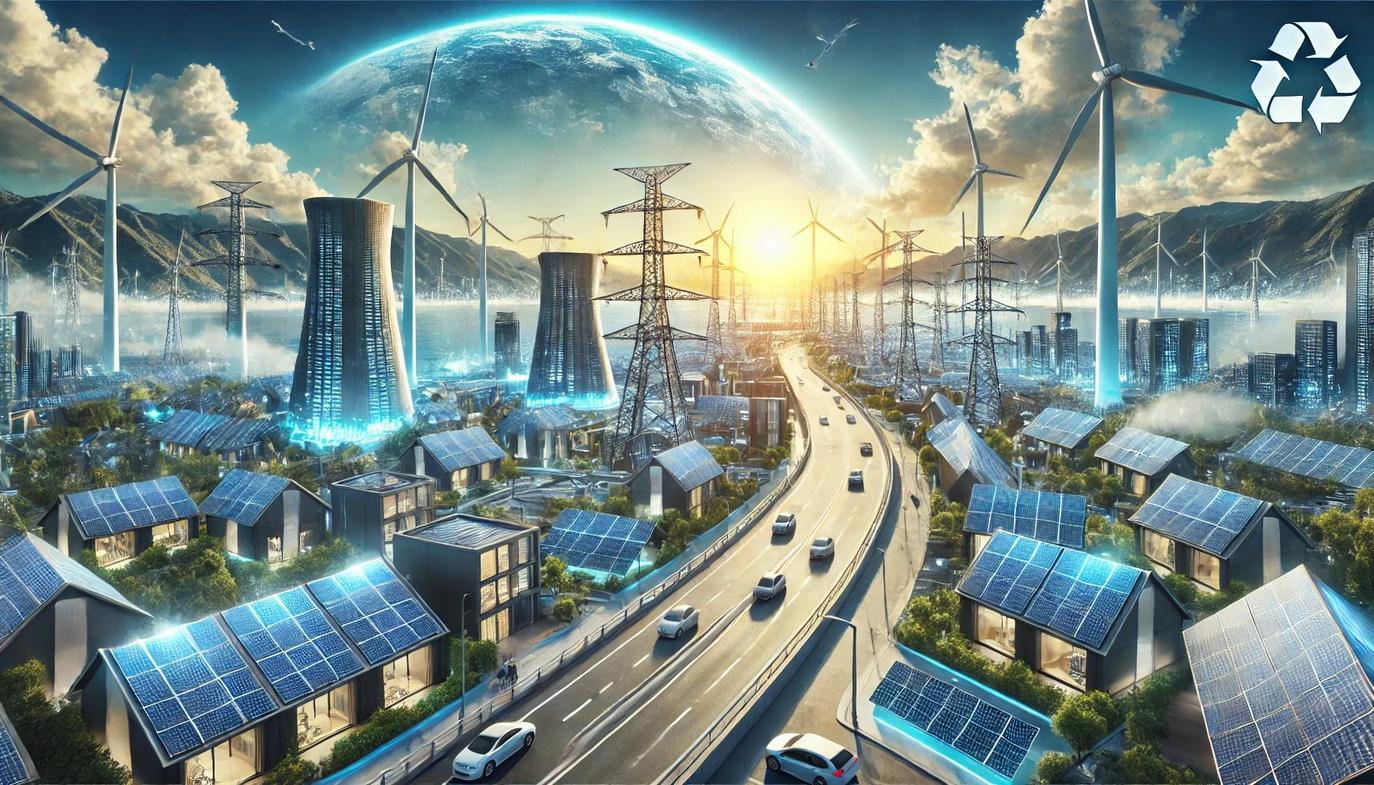
The shift to renewable energy involves more than just installing solar panels or wind turbines. Large-scale projects require careful planning, financial investment, and integration into existing infrastructure. Governments and companies must ensure that renewable energy sources are reliable, cost-effective, and efficient. Without proper management, these projects may face delays, funding challenges, or technical issues that reduce their effectiveness.
In order to meet these challenges, there is a growing demand for professionals who understand the complexities of energy management. They need skills in project planning, policy analysis, and sustainability strategies. Many professionals pursue a master of management in energy, equipping them with the expertise to develop, implement, and oversee renewable energy projects. These programs help individuals understand energy markets, regulatory frameworks, and the latest advancements in clean energy technologies.
The need for energy management experts is evident in both the public and private sectors. Policymakers require guidance on creating effective regulations, while businesses need professionals who can help them transition to cleaner energy sources without disrupting operations. This growing field presents opportunities for individuals who want to make a meaningful impact on sustainability.
Types of Renewable Energy and Their Impact
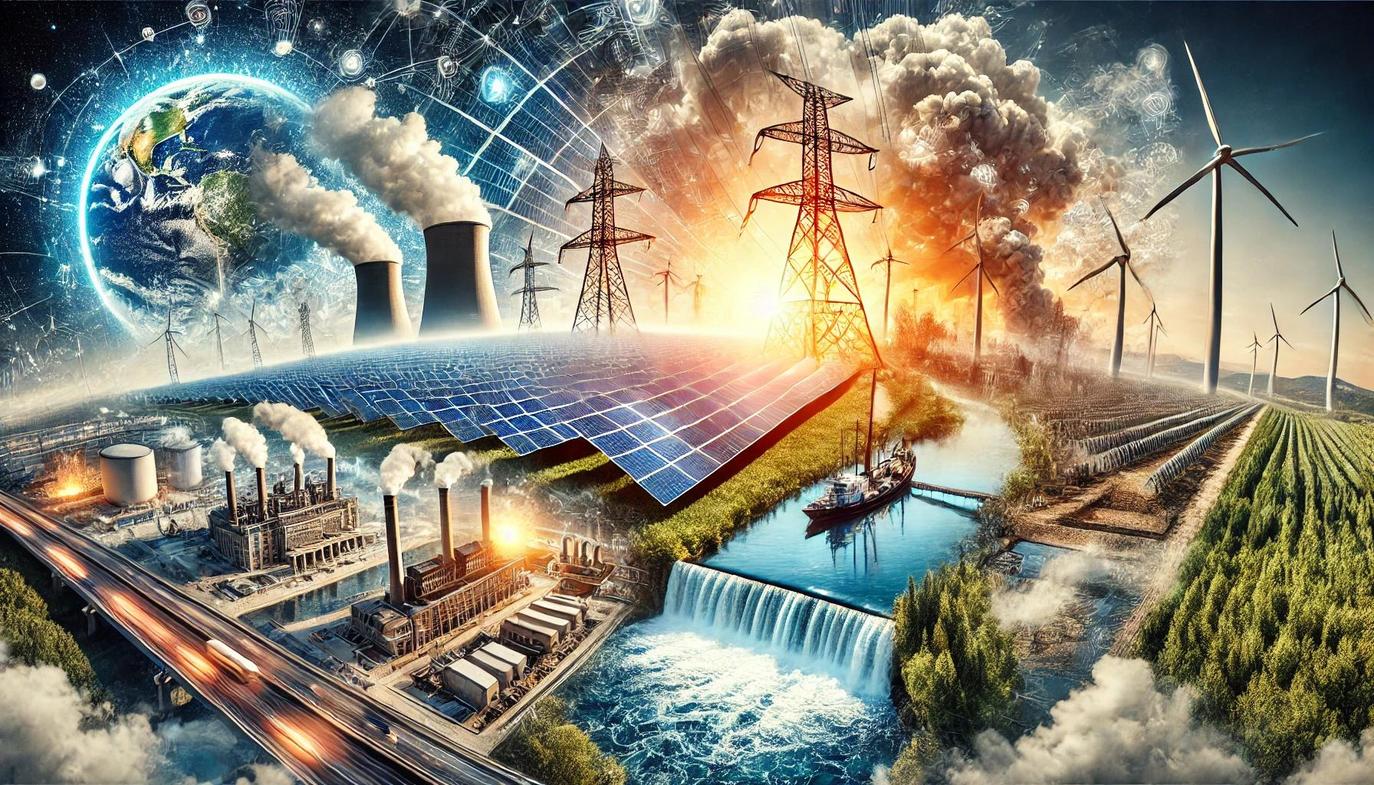
Renewable energy comes from naturally replenished sources that do not deplete over time. Each of these energy sources contributes to reducing carbon emissions and decreasing dependence on non-renewable resources. The right combination of these technologies can help countries achieve their sustainability goals. The main types of renewable energy contributing to sustainability include:
Solar Energy
Solar panels capture sunlight and convert it into electricity. This energy source is abundant and available in most parts of the world. Advances in solar panel technology have made it more efficient and affordable, making solar energy a key player in the transition to clean power.
Wind Power
Wind turbines generate electricity by harnessing wind energy. Wind farms are becoming more common, especially in coastal and high-altitude regions where wind speeds are stronger. Wind energy reduces reliance on fossil fuels and contributes to a cleaner environment.
Hydropower
Hydropower plants use flowing water to generate electricity. This source has been widely used for decades and remains a reliable way to produce clean energy. However, large hydropower projects can impact ecosystems, which is why smaller-scale hydro solutions are gaining popularity.
Geothermal Energy
Geothermal power taps into heat from the Earth’s core to produce electricity and heating. It is a stable and sustainable energy source that is available year-round. Some regions have significant geothermal potential, making it a valuable part of the renewable energy mix.
Biomass Energy
Biomass energy comes from organic materials such as wood, agricultural waste, and algae. It can be converted into biofuels for electricity generation or transportation. While biomass is renewable, sustainable sourcing is important to avoid deforestation and other environmental impacts.

Challenges and Opportunities in Renewable Energy Adoption
Despite the benefits of renewable energy, its widespread adoption comes with challenges. One of the biggest hurdles is the initial cost of infrastructure. Building wind farms, solar plants, and energy storage facilities requires significant investment. While costs have decreased over time, financing remains a challenge for many regions.
Another issue is integrating renewable energy into existing power grids. Unlike fossil fuel-based power plants, renewable energy sources depend on natural conditions. Solar panels do not produce energy at night, and wind turbines require consistent wind speeds. Energy storage solutions, such as batteries, are improving but still need further advancements to provide a consistent power supply.
Government policies play a critical role in overcoming these challenges. Many countries have introduced incentives such as tax credits and subsidies to encourage investment in renewable energy. Research and innovation are also driving efficiency improvements, making renewable energy more competitive with traditional sources.
Businesses are recognizing the long-term benefits of transitioning to clean energy. Many corporations are setting sustainability targets and investing in renewable energy projects to reduce operational costs and improve their environmental impact. Public-private partnerships can further accelerate the transition to renewable energy.

The Future of Renewable Energy in Achieving Sustainability
As technology advances, renewable energy will play an even greater role in achieving sustainability. Innovations such as battery storage, smart grids, and artificial intelligence-driven energy management are making renewables more reliable and efficient. These developments help address concerns about energy storage and grid stability.
Clean energy investment is also increasing worldwide. Many countries are setting ambitious targets to achieve net-zero emissions by mid-century. It means that more funding and research will be invested in improving renewable technologies and expanding their use.
Beyond environmental benefits, renewable energy contributes to economic sustainability. The clean energy sector is creating jobs in manufacturing, engineering, and project management. As demand for renewable energy grows, new career opportunities will emerge, further driving economic development.
Education and training will continue to be key in the renewable energy transition. As new technologies emerge, professionals must stay updated with the latest trends and developments. Degree programs focused on energy management and sustainability will help prepare the next generation of leaders in the field.
Renewable energy is not just an alternative to fossil fuels. It is essential for building a sustainable future. As the world moves toward cleaner energy sources, the role of effective management and strategic planning becomes increasingly important. Governments, businesses, and individuals must work together to ensure that renewable energy is implemented efficiently and sustainably.
The transition to clean energy is already underway, but continued investment, innovation, and education are necessary to make it a global reality. By supporting renewable energy initiatives, embracing technological advancements, and developing expertise in energy management, we can create a future that is both environmentally and economically sustainable.


