
As the world continues to face the pressing challenges of climate change, environmental degradation, and resource depletion, there has never been a more critical time to focus on sustainability. For college students, this is not just an opportunity to contribute to a greener future—it’s also a chance to launch innovative businesses that combine environmental responsibility with modern technology. With the rise of smart homes, eco-friendly products, and sustainable practices, students are uniquely positioned to lead the charge for a more sustainable tomorrow.
Launching a sustainable business in college might feel overwhelming at first, but with the right mindset, support, and creativity, students can build ventures that truly make a difference. Here’s how college students can start building sustainable businesses that contribute to a better world while leveraging the latest in technology and innovation.
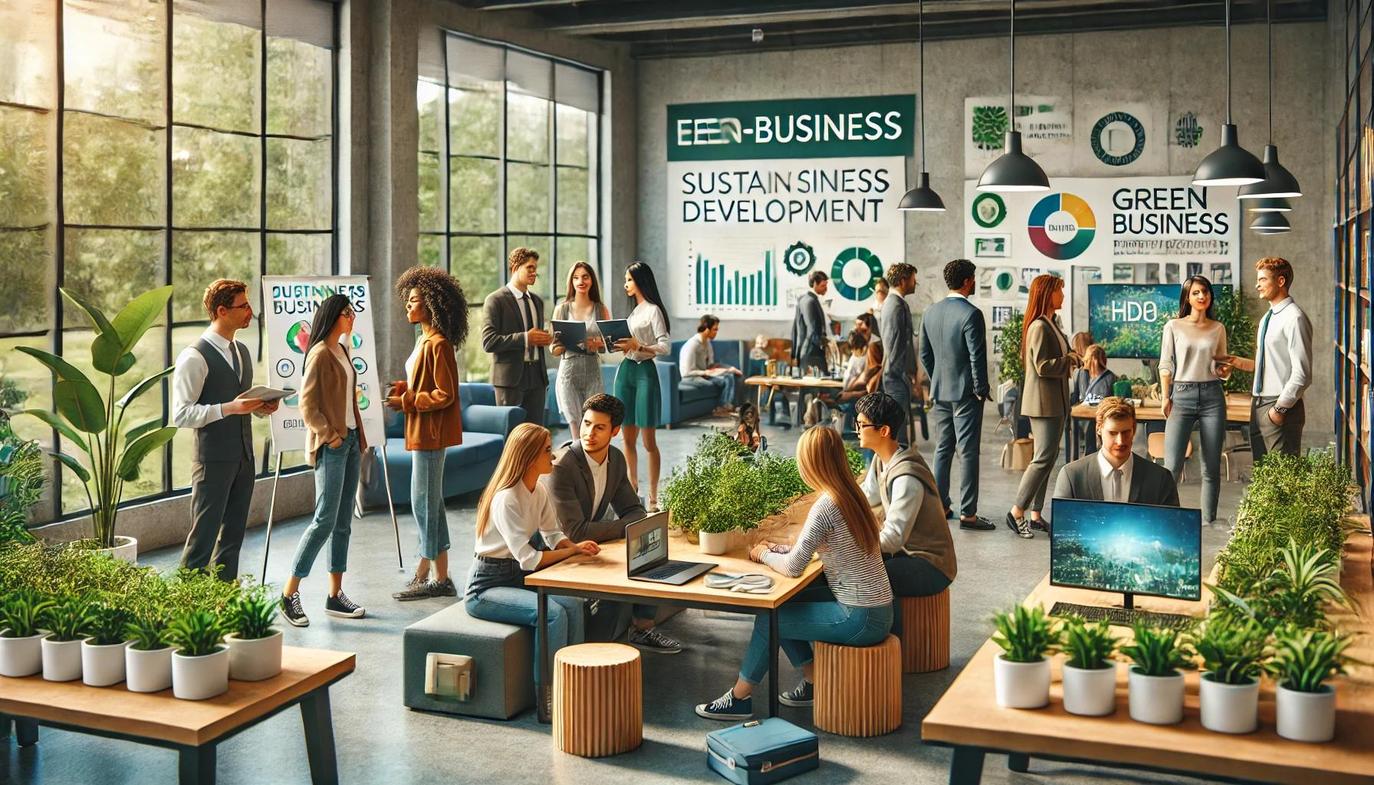
How to Use Campus Resources for Green Business Success
Many colleges today are home to entrepreneurial incubators, sustainability-focused programs, and innovation hubs designed to support students looking to create their own ventures. These resources can offer invaluable guidance and mentorship, particularly for students who want to launch a business with an eco-conscious mindset.
For example, some universities run green business incubators that focus specifically on promoting sustainable startups. These programs often provide seed funding, networking opportunities, and access to professors and professionals who specialize in environmental business practices. Students can also tap into on-campus sustainability groups, which frequently collaborate with local businesses and organizations to solve pressing environmental issues.
By getting involved in these networks, students can gain the support they need to test their ideas, refine their business models, and connect with like-minded individuals and investors who share their passion for sustainability.
Identify Sustainable Business Ideas with Technological Potential
The most successful sustainable businesses often emerge at the intersection of technology and environmental responsibility. Whether it’s creating products that reduce waste, developing energy-efficient solutions, or launching services that promote a circular economy, technology plays a pivotal role in driving sustainability. As a college student, you likely already have access to cutting-edge resources, ranging from AI tools to 3D printing and IoT devices, that can help turn an idea into reality.
Here are a few examples of sustainable business ideas that leverage technology:
- Eco-Friendly Smart Homes: As more people embrace smart technology in their homes, there’s a growing opportunity to combine sustainability with smart living. College students can design smart home devices that help people reduce energy consumption, such as energy-efficient lighting systems or smart thermostats that automatically adjust based on environmental conditions.
- Sustainable Fashion: The fashion industry is one of the largest polluters globally, but innovations in textile technology are helping to create more sustainable materials. Students interested in fashion can explore using 3D printing to create clothing with minimal waste or even develop wearable technology that helps consumers make more eco-friendly choices.
- Eco-Tech Products: College students can start businesses that produce sustainable tech products, such as solar-powered chargers, reusable batteries, or products made from biodegradable materials. The focus here is on creating solutions that are both environmentally friendly and technologically advanced.
- Sustainable Packaging Solutions: With the rise of e-commerce and the environmental burden of excessive packaging, there’s a growing demand for sustainable packaging alternatives. Students can tap into this by creating new packaging materials that are biodegradable, recyclable, or made from renewable resources.

Focus on Social Responsibility and Circular Economy Principles
A successful, sustainable business isn’t just about being eco-friendly; it also involves contributing to the broader social good. By embracing circular economy principles, college entrepreneurs can create businesses that minimize waste and maximize the reuse of materials.
The circular economy model encourages businesses to design products and services that reduce waste by reusing resources and recycling materials. For instance, businesses can offer services like take-back programs where customers can return products after use, or they could develop subscription models for reusable products, thus promoting sustainability through continual use and minimal waste.
By focusing on the circular economy, students can create environmentally responsible businesses and promote social impact, creating jobs and boosting local economies while being mindful of their environmental footprint.
Seek Out Green Investors and Funding Opportunities
Funding is often one of the biggest hurdles for students looking to launch a business. Fortunately, the growing interest in sustainability means there are now more investment opportunities tailored specifically to green ventures.
Many investors, venture capitalists, and government programs are focusing on supporting sustainable businesses, particularly those that combine innovative technology with environmental responsibility. Some organizations even offer grants, competitions, or low-interest loans for students launching sustainable startups. By doing research and networking with investors who have a focus on green initiatives, students can secure the capital they need to bring their ideas to life.
Spread the Word: Marketing Your Sustainable Business
Once a sustainable business is up and running, it’s essential to raise awareness and build a loyal customer base. Marketing plays a critical role in educating consumers about the benefits of eco-friendly products and services. College students should leverage their digital skills and use social media platforms, blogs, and online communities to promote their businesses.
Modern consumers value transparency in sustainable businesses. Sharing your eco-friendly practices—like using renewable materials or low-impact manufacturing—helps build trust, improve brand visibility, and align with search trends for environmentally responsible companies. By sharing the story behind the business, such as sourcing materials responsibly or reducing carbon footprints, entrepreneurs can build trust and loyalty with eco-conscious customers.

Building the Future: Where Innovation Meets Sustainability
Starting a sustainable business in college isn’t just an educational exercise—it’s a real opportunity to drive meaningful change. With access to cutting-edge technology, supportive campus resources, and a rising tide of eco-conscious consumers, students can turn their ideas into businesses that balance innovation with environmental responsibility.
College entrepreneurs have the opportunity to shape a greener future by developing eco-friendly smart home solutions, creating sustainable packaging, or launching a circular economy startup. The road may require creativity, persistence, and resourcefulness—but the impact is lasting, and the future is yours to build.
FAQ—Starting a Green Business as a Student
What are some easy, sustainable business ideas for college students?
You could start with eco-friendly packaging, resale fashion, or tech-based solutions like solar chargers or smart energy tools.
How can I fund a sustainable startup while in college?
Look for green-focused grants, university incubators, startup pitch competitions, or government funding for environmentally responsible initiatives.
Is it hard to combine sustainability with profitability?
Not if you plan wisely. Using circular economy principles and tech innovations can reduce waste, increase efficiency, and improve long-term margins.
Do I need a tech background to start a sustainable business?
Not necessarily. While tech helps, collaboration and leveraging campus resources can connect you with the skills or partners you need.
How do I promote my green business effectively?
Focus on transparency, storytelling, and digital tools. Use social media, blogs, and online communities to share your mission and connect with like-minded customers.


