
When it comes to drug testing, understanding the key differences between urine-based and other methods is necessary. Employees and employers alike benefit from knowing their options for drug testing and which will provide the most accurate results. Urine drug tests are one of the most commonly used methods, especially in workplace settings, due to their affordability and ease of use.
Other methods include oral fluid (saliva) tests and hair follicle tests. Each method varies in the detection window and type of information it provides. For example, urine tests are ideal for detecting recent drug use because they can identify substances used within the past few days. In contrast, hair follicle tests can trace drug use over a longer period, sometimes up to 90 days.
For those looking for reliable options, you can order a urine drug testing kit in the UK through online markets that ensure high accuracy and convenience. This type of kit is often preferred for workplace environments that require rapid and reliable results. Understanding these differences can help you make an informed decision about which drug testing method is best for your needs.
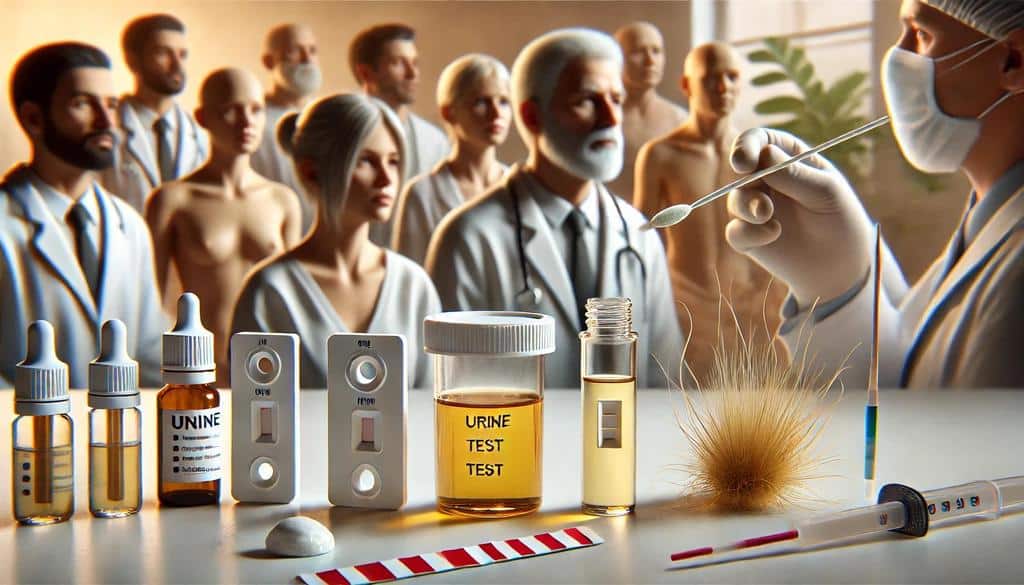
Comparing Urine-Based and Alternative Drug Testing Methods
Urine-based drug testing is common, but other methods, such as blood, saliva, and hair tests, each have unique advantages and drawbacks. Understanding the differences in collection processes, detection windows, and privacy concerns can help you choose the most suitable testing method.
Specimen Collection Processes
- Urine tests involve collecting a sample in a secure container. This method is non-invasive, making it more comfortable for many people.
- In contrast, blood tests require a needle, which can be painful and might deter some individuals.
- Saliva tests are easy to administer by swabbing the inside of the mouth, making them quick and simple.
- Hair tests involve cutting a small amount of hair from the scalp, which might be less private but doesn’t involve any pain.
Detection Windows for Substance Use
- Urine drug tests typically detect substances taken within the last few days. This makes them suitable for identifying recent drug use.
- Saliva tests can detect substances used in the past 24 to 48 hours, making them ideal for very recent usage.
- Blood tests have a short detection window, ranging from a few hours to a couple of days, offering high accuracy for recent use.
Invasiveness and Privacy Considerations
- Urine tests are less invasive compared to blood tests. Collecting a urine sample can be done discreetly, while a blood test requires skilled professionals to draw blood, which some people find uncomfortable.
- Saliva tests are non-invasive and can be done quickly in various settings, making them a good option for those who value ease and privacy.
- Hair tests involve cutting a small sample of hair, which might affect an individual’s appearance slightly but are painless and offer a longer detection window.
By comparing these different methods, you can choose the one that best meets your needs for accuracy, convenience, and comfort.

Applications and Contexts of Use
Different drug testing methods are used in various settings to meet specific needs. This includes maintaining workplace safety, ensuring accurate medical diagnoses, and supporting legal processes.
Workplace Drug Screening
In the workplace, drug testing helps ensure a safe environment. Employers often use urine tests to check for substance misuse among employees. These tests are typically performed during the hiring process and may be done at random after employment.
Urine-based tests can detect a variety of drugs, such as amphetamines, cocaine, and cannabis. Speed and cost are major factors for businesses, making instant urine tests useful because they provide quick results. Lab-based tests, on the other hand, offer higher accuracy and are used to confirm initial screenings.
Clinical Diagnostics and Monitoring
In medical settings, drug testing is necessary for diagnosis and ongoing treatment. Urine-based tests are often employed to monitor patients using prescribed medications. This helps healthcare providers ensure patients are adhering to their treatment plans and not mixing medications with illicit substances.
Clinical urine tests are also necessary in emergency settings. For instance, they are used to manage poisoning cases where quick identification of the substance is needed. Drug metabolism rates vary, so different tests might be used to get a comprehensive picture of a patient’s drug use history.
Legal and Forensic Applications
Drug tests play a significant role in legal and forensic contexts. In legal cases, urine-based tests are used to ensure compliance with court orders, such as in parole or child custody cases. These tests help verify that individuals are not using substances they are prohibited from using.
In forensic science, accurate drug testing is essential for criminal investigations. For example, urine can be tested for drugs to support evidence gathered during a DUI investigation. Lab-based urine tests are preferred because of their high degree of accuracy and the ability to detect a wider range of substances. These tests can identify both current drug use and use within a specific detection window.

Choosing the Right Drug Testing Method: Weighing Detection Window and Accuracy
When choosing a drug testing method, consider the detection window and accuracy.
- Urine tests are widely used due to their broad detection range and reliability for various substances.
- Oral fluid tests offer convenience and immediate results, making them suitable for roadside and other quick screenings.
Each drug test type has unique benefits depending on your needs. Evaluate your options based on the specific requirements of your testing situation.


