
In an ultra-connected world, where we’re constantly online for both work and leisure, privacy is becoming a major concern. This is where VPNs (Virtual Private Networks) come in. Think of a VPN as your own private tunnel on the highway of the internet. It securely transfers your internet data between your device and the wider web, shielding your personal information from prying eyes.
By masking your IP address—essentially your device’s unique online identifier—even a free VPN ensures that your online activities remain hidden from hackers, advertisers, and even your internet service provider. When you use a VPN, your data travels through this encrypted tunnel, making it immensely challenging for anyone to decipher your information or track your online movements.

How VPNs Function
The mechanics of a VPN can sound a bit technical, but let’s break it down. Imagine your internet data as parcels sent from your device. A VPN wraps these parcels in heavy-duty security wrapping, known as encryption, as they travel to their destination. It routes your data through secure servers, often located in different parts of the world, making sure they reach the right location quickly and safely. This encryption ensures that even if someone intercepts the data, they won’t be able to make sense of it.
These features make VPNs indispensable tools for anyone shopping online, streaming content, or handling sensitive business information, especially over public networks. By routing your data through secure servers, VPNs protect your information from cyber threats and provide peace of mind regarding privacy.
Free VPNs: A Cost-Effective Solution to Online Privacy Needs
Increased Demand for Online Privacy
In recent years, there has been a noticeable spike in public consciousness about online privacy. A staggering 85% of adults worldwide express a desire to take more control over their online information. This growing awareness stems from numerous high-profile data breaches and revelations about government surveillance. People are now more aware than ever about how much of their personal data is accessible online, often without their explicit consent.
Consequently, VPNs have surged in popularity as an inexpensive and effective method to safeguard one’s digital footprint. Yet, the cost associated with premium VPN services can be a barrier for many. This explains the increasing appeal of free VPN services, which cater to individuals seeking online privacy enhancement without the financial burden.
Accessibility and Cost Factors
The enduring appeal of free VPN services is largely thanks to their accessibility and affordability. Unlike their paid counterparts, these services offer security features at no cost, making online privacy accessible to a broader audience regardless of financial standing. This democratization of digital privacy is crucial in a world where internet access varies widely across different socioeconomic groups.
Free VPNs provide an opportunity for individuals to enjoy a certain level of online protection and freedom. They offer basic features that, while limited compared to paid options, still allow users to browse the internet with a higher degree of privacy and security than they would have otherwise.
Benefits of Using Free VPNs
Enhanced Online Security: Data Encryption and Protection
In today’s digital world, free VPNs have become a crucial ally in protecting internet traffic. Imagine if every time you sent information online, it traveled as a postcard, easily readable by anyone along the way. That’s how unprotected data behaves. However, a VPN acts like a sealed envelope, encrypting your data and ensuring it reaches its destination safely. This is particularly beneficial when using public Wi-Fi networks, such as those in cafes and airports, where data is most vulnerable to interception. The VPN wraps your internet traffic in a layer of security, making it almost impossible for hackers to decipher your information.
Services like VPNLY offer robust encryption without charging a dime, which ensures that users can protect their digital information without financial strain. This feature is especially valuable for everyday internet users who want basic online protection.
Real-World Application
Let’s say you’re frequently working from coffee shops that offer Wi-Fi. Without a VPN, the data you’re sending over that network—like emails or private login details—could be intercepted. With a free VPN, your connection is encrypted, reducing the risk of cyber threats significantly while keeping your data concealed from prying eyes.
Access to Geo-Restricted Content: Breaking Global Barriers
Free VPNs are also a favorite for users looking to access geo-restricted content. This means you can unlock movies, shows, news, or even sports events that might not be available in your country. By routing your internet connections through servers in different countries, VPNs make it appear as though you’re accessing the web from those locations, thereby bypassing regional internet restrictions. For example, fans often use free VPNs to watch international sports tournaments not broadcast in their own countries.
Enhanced Online Experience
With VPNs, the global internet becomes your playground. Imagine being able to seamlessly virtually travel across borders, consuming content as diverse as foreign films and international news services, which enriches your cultural experience without leaving your home.
Anonymity and Data Protection
IP Masking
A significant benefit of using a free VPN is its ability to mask your IP address. Your IP address functions similarly to your home address, providing digital breadcrumbs revealing where you are and what you’re doing online. VPNs replace your real IP address with one from their server, cloaking your online identity and making it difficult for advertisers, trackers, and other third parties to follow your digital trail.
Protecting Personal Information
This aspect is essential for those who value their privacy, ensuring that your personal information doesn’t end up in the wrong hands. By keeping you anonymous, VPNs help prevent identity theft and unwanted exposure of sensitive data.
Global VPN Trends and Statistics
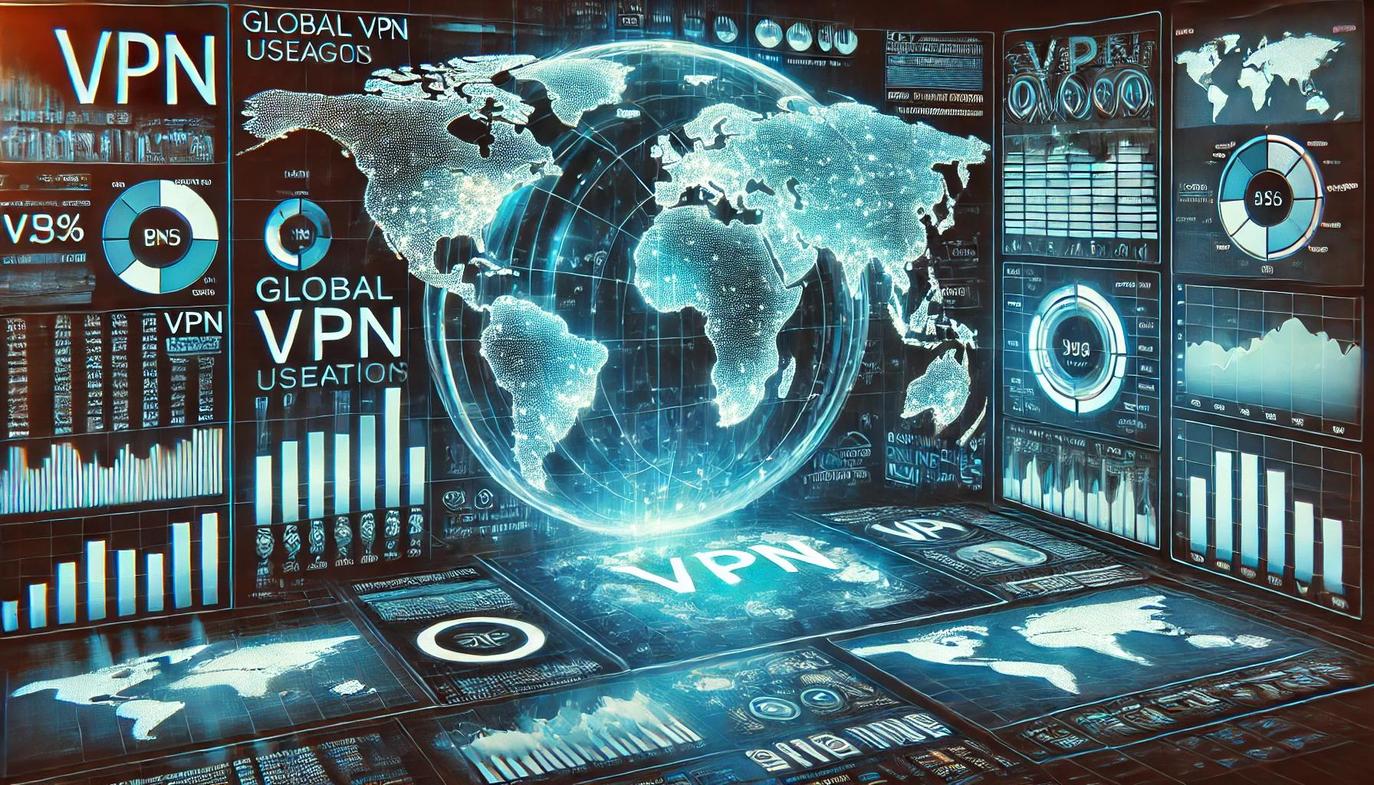
VPNs aren’t just for the tech-savvy; they’ve entered the mainstream, with approximately 1.5 billion users worldwide embracing them to enhance their online security. This widespread adoption underscores the increasing importance people place on protecting their digital identities.
Demographic Insights
Interestingly, the demographic trend reveals that the majority of VPN users fall within the 16 to 34 age bracket. This suggests that younger people, who’ve grown up in a digital-first environment, are especially mindful of privacy concerns. It indicates a cultural shift in how newer generations perceive and prioritize online security.
Youthful Inclination
The younger demographic’s inclination toward VPNs reflects a more profound understanding and concern for digital privacy. These users are digital natives, familiar with technology from a young age and keenly aware of the potential threats that come with it. They adopt VPNs not only to protect personal data but also to maintain control over their online experiences.
Cultural Shifts
This trend also points to larger cultural shifts where younger individuals are taking proactive steps to safeguard their digital presence. They’re not just passively consuming content but are actively carving out secure digital spaces for themselves.
As we continue this digital journey, free VPNs represent both a tool of empowerment and a fundamental piece of technology that helps everyone, from novices to experts, navigate the web with confidence and security. This democratization of internet privacy tools is shaping a future where online security is a right, not a privilege.
Practical Applications of Free VPNs
Securing Public Wi-Fi Connections
Many of us frequently connect to public Wi-Fi networks in places like cafes, airports, and hotels due to the hectic nature of modern life. While convenient, these networks are often unsecured, making your data an accessible target for cybercriminals. Imagine them as open doors, giving intruders a peek into your personal information if you’re not careful. This is where free VPNs come into play. By encrypting your internet connection, a VPN acts like a digital lock, protecting your data from onlookers.
Using a free service can offer you protection without any cost—a valuable tool for ensuring peace of mind while checking emails or shopping online in public spaces. This means that even on unsecured networks, your information, like passwords and banking details, remains private.
Protecting IoT Devices: Safeguarding Your Digital Home
As more homes embrace smart technology—devices like smart speakers, thermostats, and security systems—the need to secure these IoT (Internet of Things) devices becomes paramount. These gadgets, while innovative, often have limited built-in security features, creating potential entry points for hackers. Free VPNs help by encrypting the communications between your devices and the internet, effectively safeguarding your smart home network from cyber threats.
Imagine having a digital bodyguard for your connected devices; that’s what a VPN achieves. It ensures that commands, settings, and personal information handled by these devices remain confidential and secure.
Remote Work and Data Protection: Secure Work Environments
The shift toward remote work, accelerated by recent global health crises, has made data protection more critical than ever. Many employees work from home or on the go, accessing sensitive company data over various networks. Free VPNs are a boon in this context, offering secure access to company resources while maintaining data integrity and confidentiality.
For example, using a service like VPNLY, remote workers can encrypt their internet traffic with a simple tap, ensuring their professional communications and data transfers remain protected.
Choosing the Right Free VPN
Key Features to Consider
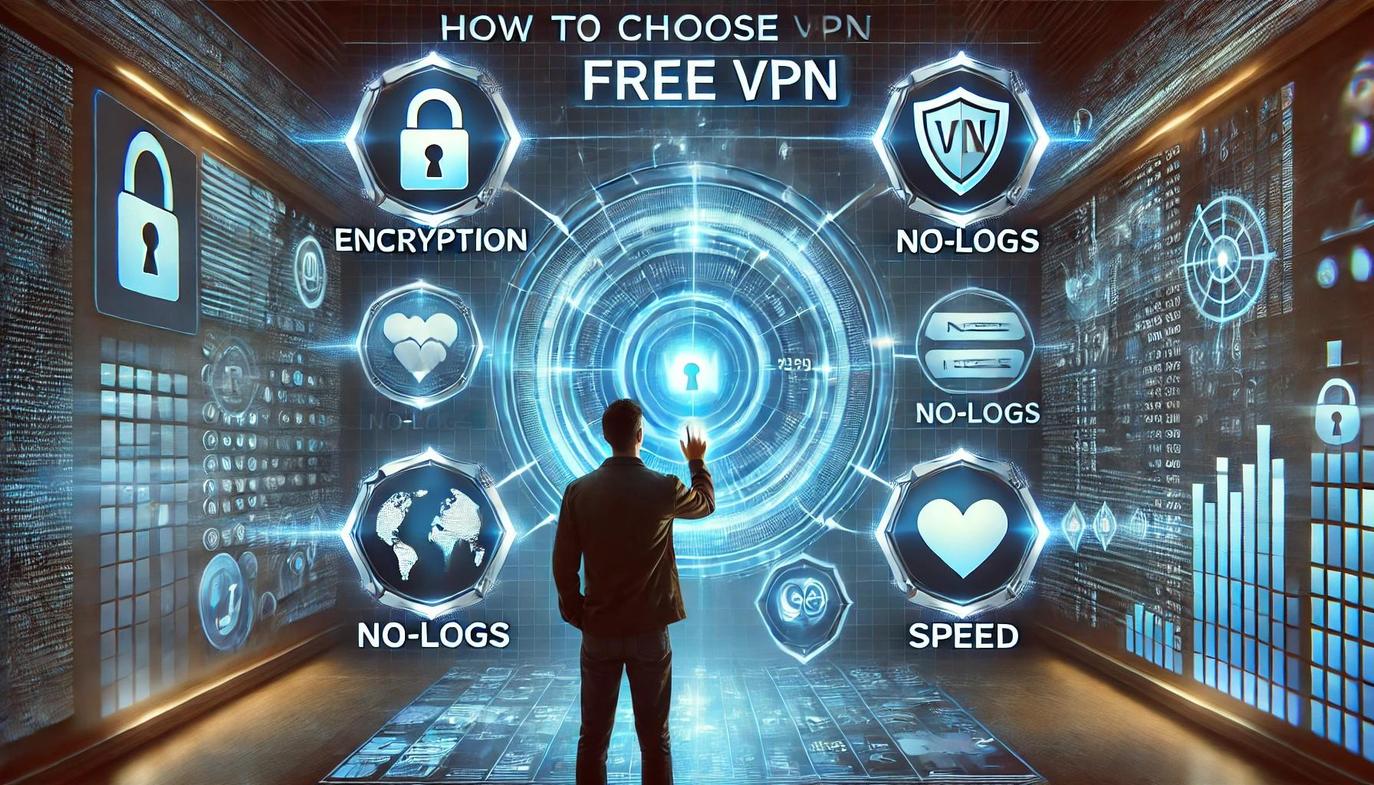
When choosing a free VPN, you want the assurance that your data is in safe hands. Here are some critical features to look for:
- Strong Encryption: Ensure the VPN uses robust encryption standards to secure your internet traffic. This is the backbone of any good VPN, providing the safety and privacy you’re seeking.
- No-Logs Policy: Opt for services that don’t log your online activities. A no-logs policy means the VPN provider does not keep records of your browsing history, which bolsters your privacy further.
- User-Friendly Interface: Look for VPNs that are easy to navigate, especially if you’re not tech-savvy. A simple one-click operation can make your experience seamless and quick.
Reputable VPNs offer these features, all thoughtfully designed to cater to users’ security needs without complications.
Potential Limitations: Understanding the Trade-Offs
While free VPNs provide numerous benefits, it’s essential to be aware of their limitations:
- Data Caps: Some free VPNs limit the amount of data you can use. These restrictions can affect those who stream videos or download large files.
- Limited Server Options: Free services may offer fewer server locations compared to paid versions, which can impact speed and access to certain geo-restricted content.
- Performance Trade-Off: With fewer resources allocated to free VPNs, users might experience slower connection speeds or less reliable service during peak times.
Understanding these limitations helps set realistic expectations and ensures you’re choosing a VPN that aligns with your primary needs. Despite these drawbacks, free VPNs remain robust tools for enhancing online privacy without costs.
Free VPNs serve as a practical solution for safeguarding personal data, enhancing online security, and maintaining privacy in a digital-first world. By choosing the right free VPN and leveraging its features effectively, users can navigate the web with confidence and peace of mind.
Securing Your Digital Future: Free VPNs Grant Modern Online Privacy
Empowering Users in the Digital Age
As we dive deeper into the digital age, the importance of taking control of one’s online privacy becomes increasingly apparent. Free VPNs serve as valuable tools in this endeavor, empowering users to safeguard their digital identity without incurring additional costs. Whether you’re protecting sensitive information on public Wi-Fi or bypassing regional restrictions to watch your favorite shows, free VPNs provide a vital layer of security that can significantly enhance your internet experience.
Encouragement to Stay Informed
However, using a VPN is just one piece of the digital privacy puzzle. It’s crucial to stay informed about the latest practices and technologies that can protect your online presence. Awareness and education are key to ensuring you remain one step ahead of potential cyber threats. By continuously seeking out new information and adjusting your digital habits accordingly, you can help ensure your personal information remains as secure as possible in this ever-evolving digital landscape.
The rise of free VPNs highlights a broader shift toward prioritizing online security and privacy. As we move forward, it becomes increasingly important for all of us to understand these tools and use them wisely.


