
Identity theft and data loss present more pronounced risks than ever before. Numerous systems store our personal and financial information, from banking and shopping to healthcare and communication. Regrettably, minor mistakes in managing this data can give criminals significant opportunities.
Understanding the most common mistakes is the first step toward safeguarding sensitive information. This knowledge helps people and businesses avoid the devastating consequences of a breach.

The Risk of Weak and Reused Passwords
One of the most widespread errors is relying on weak or predictable passwords. Many people still use simple combinations like “password123” or reuse the same credentials across multiple accounts. This practice leaves them vulnerable to credential-stuffing attacks, where hackers use stolen login information from one site to break into others.
Stronger password practices, such as creating unique strings of characters for each account, are vital. Using a password manager removes the stress of remembering dozens of logins while ensuring that each one is sufficiently complex. Pairing this with two-factor authentication provides an additional layer of protection, making it significantly harder for unauthorized users to gain access even if a password is compromised.
Navigating the Dangers of Unsafe Online Behavior
Another common mistake lies in careless online activity. Careless online activity can expose sensitive information through several common actions:
- Clicking on suspicious links
- Downloading files from unverified sources
- Using public Wi-Fi without protection
Phishing emails remain one of the most successful tactics for cybercriminals, tricking users into providing login credentials, credit card numbers, or other private details.
Public Wi-Fi is particularly risky because it is often unencrypted, giving hackers a chance to intercept communications. Virtual private networks (VPNs) can provide encryption, ensuring that data transmitted over public networks stays secure. Training and awareness campaigns help individuals recognize and avoid scams that could otherwise lead to significant breaches.
The Importance of Proactive Security Measures
Failing to adopt a proactive approach to digital security is another error that increases exposure to identity theft. Many individuals and businesses overlook important preventive steps, including:
- Updating software regularly
- Encrypting sensitive devices
- Maintaining consistent data backups
These oversights create vulnerabilities that hackers can exploit. Resources on how to prevent identity theft can help individuals and companies strengthen their defenses. Proactive habits, such as implementing multi-layered digital protections and regularly reviewing credit reports, enable the identification and early resolution of potential issues.
Enabling automatic software updates can effectively plug security loopholes before criminals can exploit them.

Securely Disposing of Old Devices and Sensitive Documents
Often underestimated, physical disposal mistakes remain one of the easiest ways for criminals to access sensitive information. Even after deleting files, old laptops, smartphones, and tablets often retain retrievable data. Likewise, discarded paper documents such as medical records, financial statements, or tax forms can be goldmines for identity thieves if not properly destroyed.
The solution is straightforward but crucial: use secure data-erasure tools or professional services before disposing of electronic devices, and shred physical documents instead of tossing them in the trash. Recycling centers and tech retailers often provide services for securely handling outdated devices, minimizing the risk of recovered data falling into the wrong hands.
Why Mobile Device Security Cannot Be Overlooked
As mobile devices become the hub of both personal and professional life, failing to secure them is a costly mistake. Phones are frequently lost, stolen, or connected to insecure networks, yet many users neglect to set strong passcodes, enable biometric locks, or activate remote wipe features.
Without these protections, a lost phone can become a direct portal into emails, financial apps, and sensitive files. Keeping devices updated with the latest patches and security features, along with installing trusted antivirus or mobile security apps, reduces the likelihood of compromise. For businesses, mobile device management policies help safeguard corporate data when employees use personal devices for work.
Understanding and Avoiding Social Engineering Scams
One of the most dangerous but least recognized risks is social engineering. This occurs when criminals manipulate individuals into disclosing sensitive information or granting access to secure systems. It can take the form of a convincing phone call, a fake tech support request, or even malicious use of publicly shared social media information.
Social engineering attacks exploit human trust and curiosity. The best defense is cultivating awareness and healthy skepticism. Always verify the identity of anyone requesting sensitive data, and avoid oversharing personal details online that could be used to guess passwords or security questions. For organizations, ongoing employee training is crucial to strengthening this human element of cybersecurity.

The Critical Role of Data Backups and Recovery
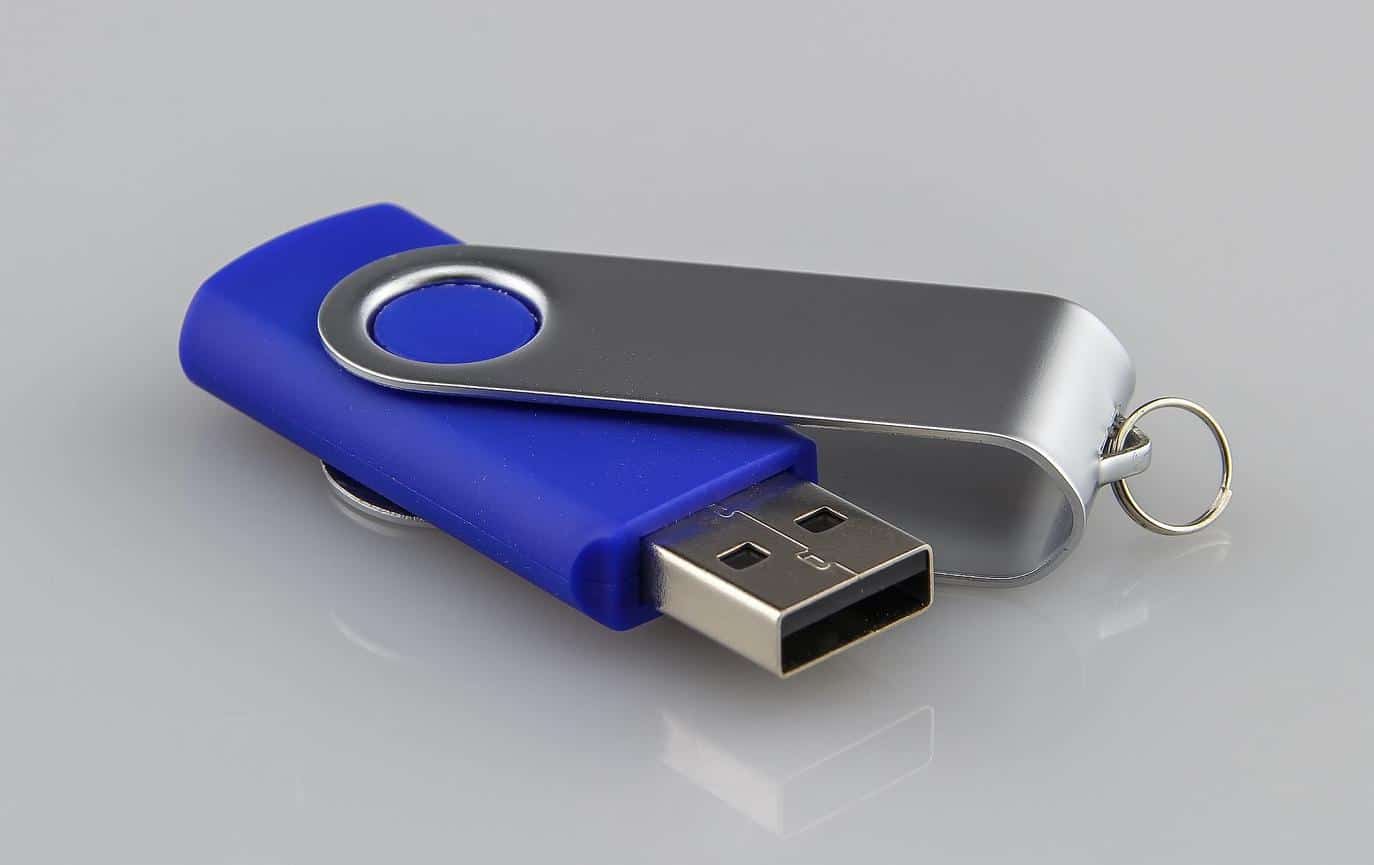
Data loss doesn’t always occur due to theft; it can result from accidents, hardware failure, or natural disasters. Yet many individuals and organizations neglect to maintain proper backup systems. Without reliable backups, recovering from a cyberattack or system crash can be slow, expensive, and incomplete.
Adopting cloud-based backup solutions or external drives with automated syncing ensures that critical data remains safe even if the original source is lost. Regular testing of these backups is equally important to confirm that files can be restored quickly and completely when needed.
Strengthening Your First Line of Defense: Email Security
Email continues to be a major entry point for identity theft. Weak filters, failure to use encryption, and neglecting to verify sender addresses make it easy for criminals to launch successful attacks. Clicking on attachments or links in suspicious emails can install malware that compromises entire systems.
Improving email security starts with advanced spam filters and ends with user vigilance. Double-checking sender authenticity, avoiding unknown links, and reporting suspicious messages help reduce exposure. Businesses often adopt company-wide encryption tools and monitoring systems to further guard sensitive communications.
Don’t Forget Physical Security: Protecting Your Assets Offline
Digital security often takes center stage, but physical measures are equally important. Leaving laptops unattended in public places, writing down passwords on sticky notes, or failing to lock filing cabinets containing sensitive records all create unnecessary risks. Thieves don’t always rely on advanced hacking techniques; sometimes, they simply take advantage of careless handling of physical assets.
Simple steps like locking devices when not in use, securing physical files, and monitoring access to offices or storage areas can significantly reduce this form of vulnerability. For businesses, visitor management systems and secure access controls add layers of protection beyond the digital realm.
Strengthening Your Defenses Against Digital Threats
Identity theft and data loss often stem from small, preventable digital security oversights. From weak passwords and unsafe online behavior to social engineering and poor physical security, the most common pitfalls are frequently the easiest to address. A proactive approach built on awareness and consistent digital security habits is the most effective strategy for protection.
Correcting these frequent errors before criminals can exploit them is crucial for both individuals and organizations. By implementing strong passwords, maintaining regular data backups, and fostering a culture of vigilance, you can significantly reduce your vulnerability to a breach and safeguard your sensitive information for the long term.
Frequently Asked Questions About Identity Theft and Data Loss
What’s the Single Most Common Cause of Data Loss?
While cyberattacks are a major concern, human error—such as falling for phishing emails, using weak passwords, or accidental deletion without backups—remains one of the single most common causes of data loss.
How Can a VPN Protect Me on Public Wi-Fi?
A VPN (Virtual Private Network) protects you by creating an encrypted tunnel for your internet traffic. This makes it impossible for hackers on the same public Wi-Fi network to intercept or read your sensitive data.
Why Is Social Engineering So Dangerous?
Social engineering is dangerous because it exploits human trust rather than technical vulnerabilities. Criminals manipulate people into willingly giving up confidential information, bypassing even the strongest digital security measures.
How Often Should I Back Up My Data?
For critical personal or business data, daily automated backups are recommended. For less sensitive information, weekly backups may be sufficient. The key is to ensure your backup is recent enough to prevent significant loss.


