
A courtroom may hold the final scene, but the story of a DUI case is written much earlier.
Long before any judge hears a word, a chain of small actions quietly builds something much bigger. People often think the case begins after an arrest, yet the truth lies in the steps that come before it. From the first decision to drive to the way a person responds during a stop, every detail starts forming a legal picture.
Many only realize this later, often while speaking with a DUI lawyer who traces everything back to the beginning.
The First Decision: Getting Behind the Wheel
Every DUI case begins with a simple choice that feels ordinary at the time. Getting behind the wheel after drinking or being under any influence does not always feel like the start of a legal issue. It often feels like something that can be managed or controlled.
This is where the foundation quietly forms. The law does not wait for harm to happen before it starts taking shape. The act of driving itself becomes the starting point. What feels like a small decision can slowly turn into a structured case that follows a clear path.
The Traffic Stop: Where Attention Turns Into Evidence
A traffic stop may appear like a routine check, but it carries more meaning than it shows. The moment a vehicle is pulled over, observation begins. Officers pay attention to movement, speech, and general behavior. These details may seem simple, yet they begin to create a record.
The way a person responds, the tone of their voice, and even small reactions can be noted. This stage is often quiet, but it builds the first visible layer of a case. What happens here does not stay here. It moves forward into everything that follows.
Field Sobriety and Initial Interaction
After the stop, interaction becomes more direct. Instructions are given, and responses are closely observed. Field sobriety tests are not just about balance or movement. They are also about how a person understands and follows directions, following protocols developed through NHTSA’s standardized field sobriety testing research.
Each step is watched carefully. Even small slips or hesitations can be recorded as part of a larger pattern.
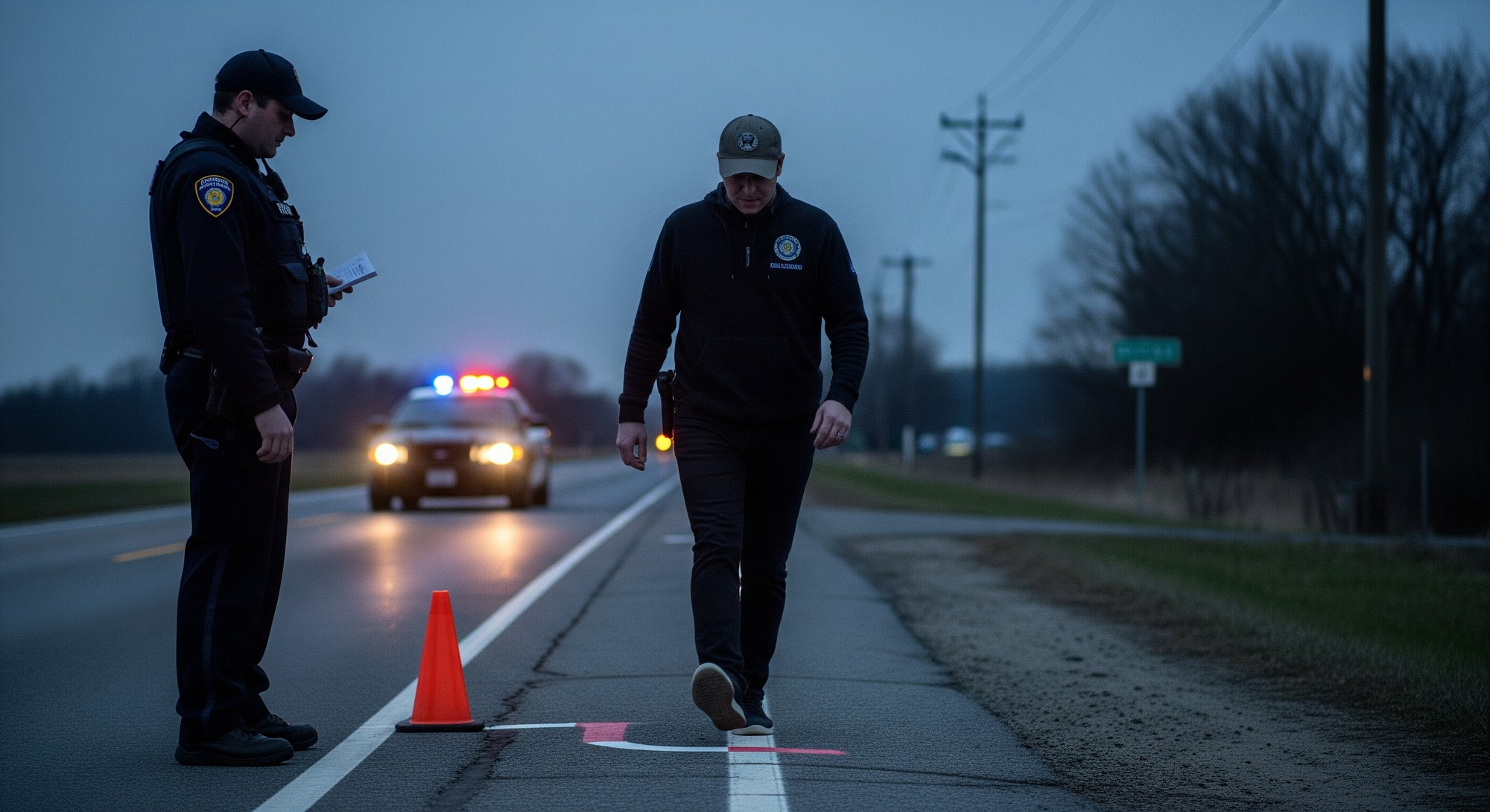
This part of the process can feel quick, but it holds weight. It adds more detail to the growing structure of the case, shaping how the situation is later described.
Chemical Testing: Numbers That Carry Weight
Testing introduces a different kind of evidence. Breath or blood results bring numbers into the picture, and those numbers are often treated as strong indicators. These results do not stand alone, yet they carry a lot of influence.
The process of testing, the timing, and the results all become part of the record. What may feel like a simple step becomes a central point later. This stage often changes the direction of the case clearly. Once recorded, these details are not easily ignored or dismissed.
What Happens After the Arrest
An arrest is not the end of the process. It is a shift into a more formal stage where documentation begins to grow. Reports are written, statements are recorded, and details are organized. Each document adds to the overall picture. This is where the case starts to take a fixed shape.
The information collected earlier is now placed into a structured form. Nothing feels dramatic at this stage, yet the impact is steady. The written record begins to speak on its own, even before the case reaches court.
The Quiet Phase Before Court
Time between the arrest and the first hearing often feels still, yet it is far from inactive. This phase carries its own importance. The review begins, and every detail is looked at closely. Legal preparation starts taking form during this period, and understanding how traffic violation lawyers build a defense can clarify what lies ahead.
It may seem silent, but the case continues to develop in the background. Decisions made here can affect how things move forward. The earlier steps are examined again, and their impact becomes clearer. This stage often shapes the direction long before a courtroom is involved.
Why Early Actions Matter More Than Expected
The early stages of a DUI case often carry more weight than people realize. These moments create a chain that connects everything.
- Officer observations during the stop
- Responses and behavior during interaction
- Results from chemical testing
Each of these points builds on the others. By the time the case reaches court, much of its direction is already influenced. The courtroom becomes a place where these details are presented, not created. This is why early actions hold lasting importance. They quietly decide how strong or weak the case may appear later.

Final Reflection: Where It Truly Begins
A DUI case rarely begins where people expect it to. The courtroom is only one part of a much longer process that starts earlier and grows step by step. Each action, each response, and each detail adds to a larger picture that becomes hard to change later.
Understanding this flow brings a clearer view of how things unfold. Many only see this after the situation has moved forward, often during discussions with a DUI lawyer who connects every stage back to its origin. The beginning always comes before the court, even if it goes unnoticed.

