
The homemade food industry is experiencing a surge in popularity, thanks partly to the convenience of online ordering systems. As we become more conscious of our environmental impact, the importance of sustainability in this burgeoning sector cannot be overstated.
This article aims to explore how homemade food ordering systems can adopt sustainable practices, drawing lessons from the broader restaurant industry. Understanding the environmental implications of our food choices has never been more critical. We can create a more responsible homemade food industry by marrying technology with sustainability.
The Rise of Homemade Food Ordering
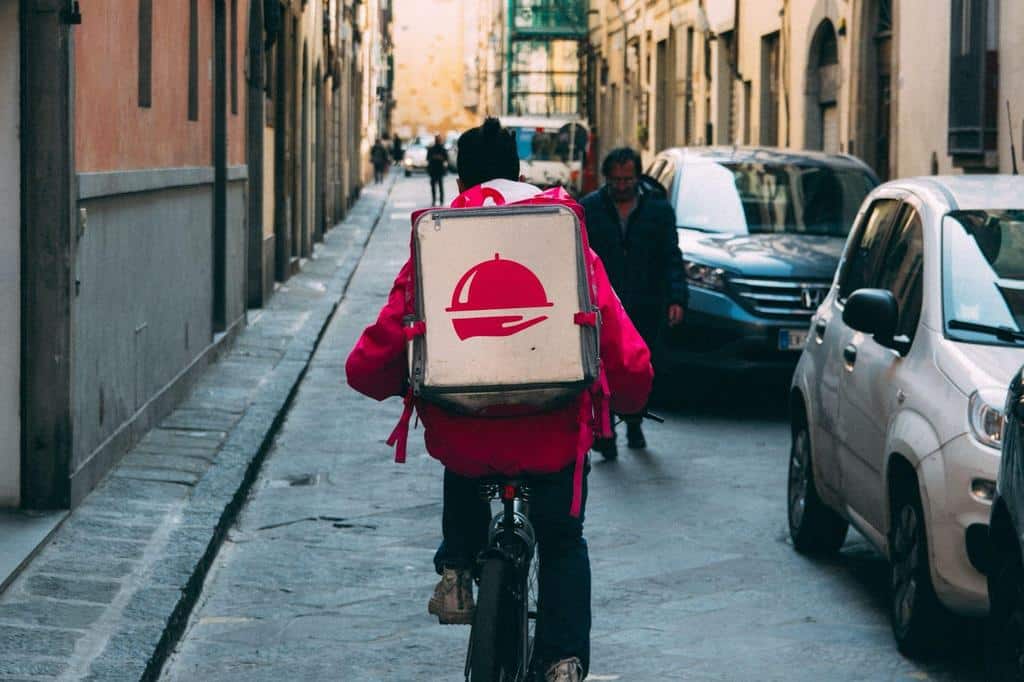
Homemade food ordering is not just a fad – it’s a growing industry offering economic and social benefits. Platforms that facilitate the ordering of homemade food are becoming increasingly popular, providing a marketplace for home chefs to share their culinary skills and for consumers to enjoy authentic, home-cooked meals.
This trend is empowering home chefs and providing consumers with healthier, more personalized food options. The convenience of ordering homemade food online has the potential to reshape our dining habits for the better.
Sustainability in the Food Industry
The food industry has a significant environmental footprint, from the resources used in food production to the emissions from food delivery. As consumers become more eco-conscious, the demand for sustainable options is growing.
Making your restaurant sustainable is now a competitive advantage, and this trend is spilling over into the homemade food sector. With climate change becoming an increasingly urgent issue, the need for sustainable practices across all food industries is more pressing than ever.
Online Ordering Systems: A Double-Edged Sword

Online ordering systems have revolutionized the way we access food, offering unparalleled convenience and efficiency. However, these systems also come with environmental costs, such as server energy consumption and the carbon footprint of deliveries.
The restaurant industry is changing, and as it adapts, there are valuable lessons for the homemade food sector. As technology advances, more opportunities exist to make these systems efficient and eco-friendly. The key is to balance convenience with sustainability.
Comparison with Traditional Restaurant Online Ordering Systems
Traditional online ordering for restaurants has begun to incorporate sustainability measures, such as energy-efficient coding practices for their restaurant app. Homemade food platforms can adopt similar practices to reduce their environmental impact.
By learning from established models, homemade food platforms can fast-track their sustainability initiatives. This cross-industry learning is crucial for making rapid, impactful changes.
Making Homemade Food Ordering Sustainable
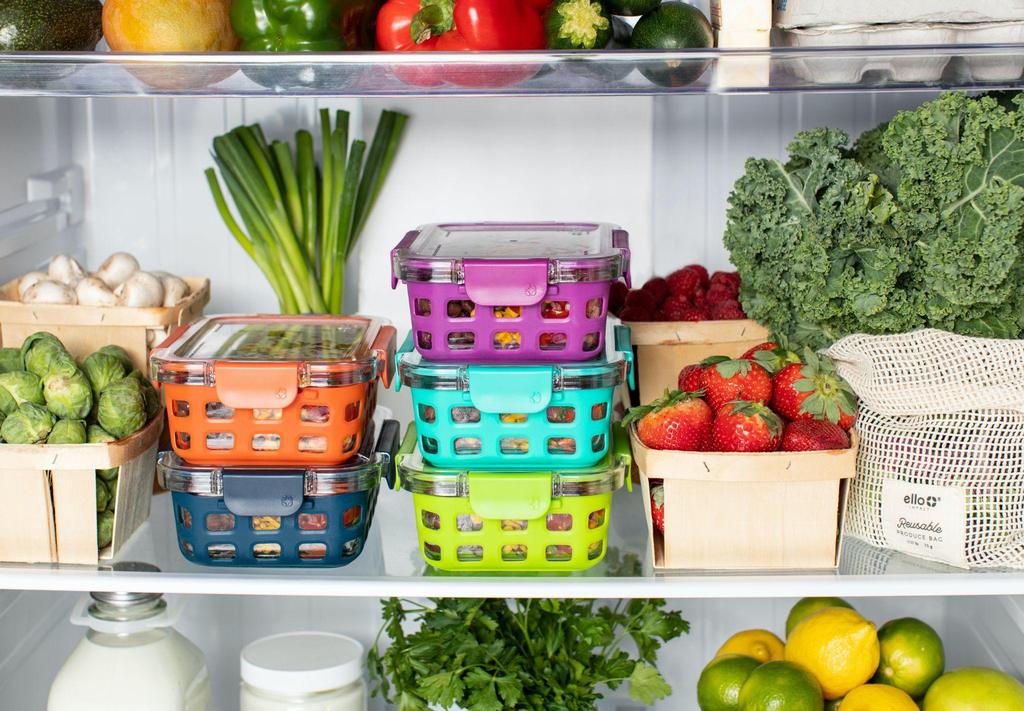
Energy Efficiency
Website and App Design: Opt for energy-efficient coding practices to reduce the energy required to run the platform.
Renewable Energy: Consider using renewable energy sources to power the platform’s servers. As more renewable energy options become available, the feasibility of this approach increases. Energy efficiency is not just an environmental concern but also a cost-saving measure in the long run.
Waste Reduction
Digital Receipts: Like many restaurant apps, opt for digital receipts to minimize paper waste.
Packaging: Encourage home chefs to use reusable or biodegradable packaging for their food items. By doing so, we can significantly reduce the amount of plastic waste generated. This is not only good for the planet but also resonates well with eco-conscious consumers.
Carbon Footprint
Local Sourcing and Delivery: Limit the geographical range of orders to reduce transportation emissions.
Carbon Offset Options: Customers can purchase carbon offsets when placing an order, similar to some restaurant apps. This not only helps to mitigate the environmental impact but also educates consumers about their carbon footprint. It’s a small step that can make a big difference.
Challenges and Roadblocks
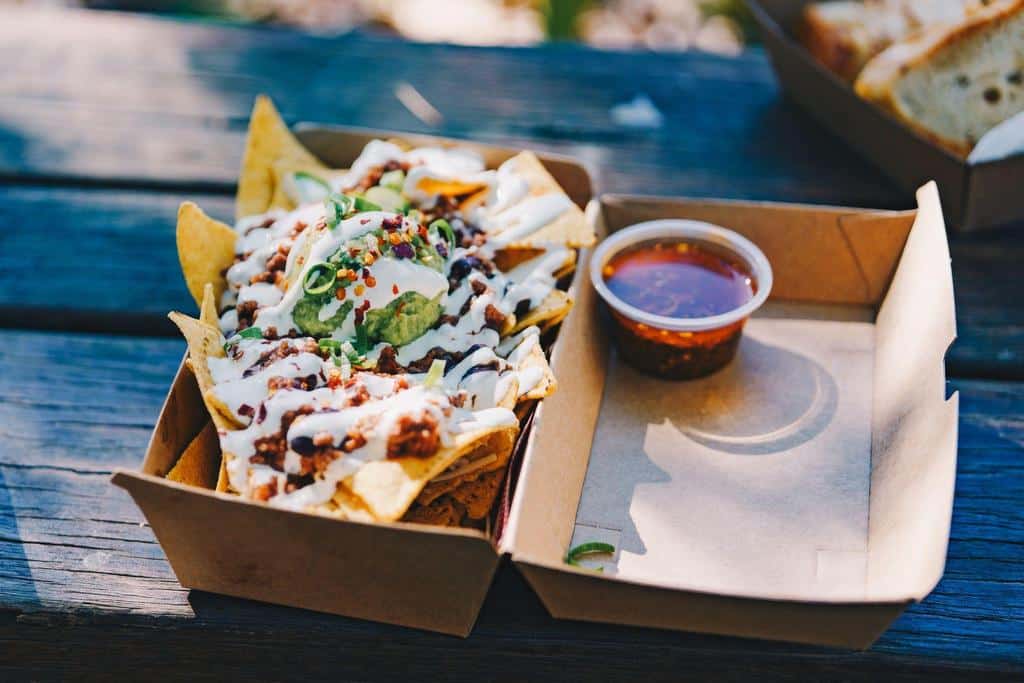
The main challenges in implementing these sustainable practices include the cost and potential technological limitations. However, as the restaurant industry is changing to become more sustainable, there is growing evidence that the long-term benefits outweigh the initial hurdles.
Overcoming these challenges will require innovation, investment, and a commitment to long-term sustainability goals. Collaboration between various stakeholders can accelerate this process.
Summary
As the homemade food industry continues to grow, it’s crucial to integrate sustainability into its framework. By adopting eco-friendly practices, platforms can reduce their environmental impact, meet consumer demand for sustainable options, and ensure long-term viability.
The restaurant industry’s changing landscape offers valuable lessons in sustainability that homemade food platforms would do well to heed. As we move forward, the integration of sustainability into the homemade food industry will not only be an ethical imperative but also a defining factor in its long-term success.


