
Modern excavators function as versatile utility platforms rather than simple digging tools. Integrating high-performance implements enables these machines to tackle demolition, trenching, and drilling with surgical precision.
Versatility is crucial in raising operational efficiency and meeting changing project demands, all from a single machine. Choosing an appropriate excavator attachment is vital for completing projects with greater precision, higher safety, and lower costs.
Machines feature hydraulic quick-hitch systems with attachments affixed and ready for use within minutes. The primary concern for contractors and operators involves sizing attachments to match the excavator while balancing job-site requirements. This ensures optimal performance, reduced wear and maintenance needs, and jobs completed to professional standards.
Exploring Essential Excavator Attachment Types and Their Applications
Buckets
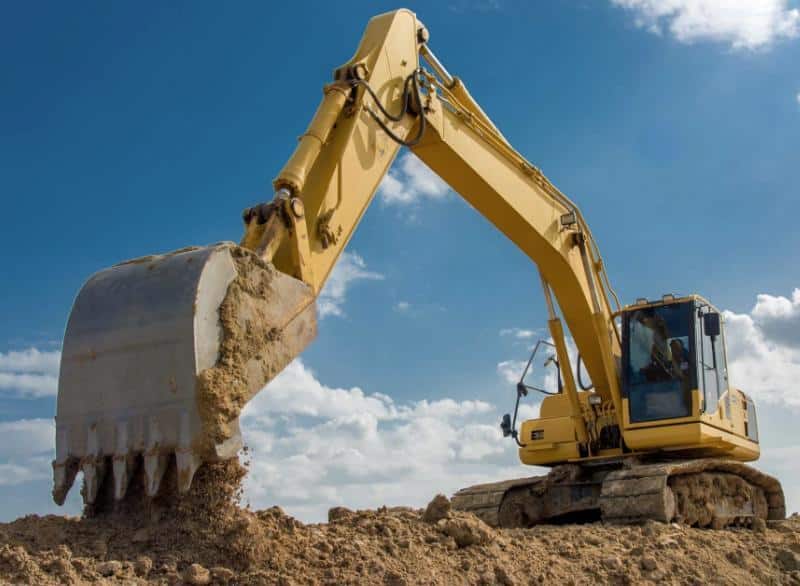
Standard digging buckets remain the primary tool for most operators, providing the necessary capacity for general excavation and bulk material handling. The buckets feature moderate width and length, utilizing standard or penetrating teeth for digging into soft to medium soils. Selecting specialized bucket types ensures efficiency when dealing with harder surfaces, confined areas, or specific cleanup requirements.
- Rock Buckets: Engineered from reinforced stainless steel alloy, rock buckets utilize carbide inserts and aggressive profiles to penetrate the most stubborn materials. These robust attachments facilitate heavy-duty operations in mining, quarrying, site preparation, and general demolition work.
- Trenching Buckets: Trenching buckets offer specialized widths ranging from 3 to 24 inches, featuring deep profiles designed to maintain sidewall integrity in underground utility work. Sharp teeth and bolt-on cutting edges ensure penetration into compacted ground and reduced wear. Contractors utilize these buckets primarily for installing underground utilities, including fiber-optic cables, drainage systems, and pipes.
- Grading/Finishing Buckets: Wide, shallow profiles with straight edges characterize grading buckets, allowing for the creation of perfectly level surfaces on landscaping sites. Since they are designed for pushing and scraping, grading buckets typically do not have teeth, though they still retain heavy-duty construction for durability. Common uses besides grading and leveling soil include general landscaping, site preparation, road construction, and backfilling.
- Tilt Buckets: For precision grading, ditching, and profiling on slopes and complex landscapes, operators attach excavators with matching tilt buckets. These utilize tilting mechanisms, allowing the flat and wide bucket profile to tilt 45 degrees left or right. They are ideally used in backfilling, landscaping, ditching, and contouring, often after digging with standard buckets.
- Skeleton/Riddle Buckets: Grid-style tines and horizontal brace bars allow skeleton buckets to sift debris effectively, separating rocks and roots from high-quality topsoil. Consisting of a series of spaced tines in a grid layout for support, these excavator attachments work best when separating large debris from finer soils.
Hydraulic Hammers
Hydraulic hammers, also called rock breakers, turn excavators into powerful demolition tools. These excavator implements attach to arms via brackets and bins and use the machine’s hydraulic system for repetitive hammering blows of heavy-duty chisels and breaker points to break hard materials like rock, concrete, and asphalt.
Operators categorize breaker attachments by mounting configuration, selecting between side-type and top-type hammers based on the specific demolition environment. Demanding rock-breaking and quarrying tasks require heavy-duty top hydraulic hammers, while side-type breakers with angled mounting prove more effective for trenching and demolition in confined spaces.
Grapples
Grapple attachments, or grabs, are used to grasp and hold large, heavy, and unwieldy objects, such as logs, rocks, scrap metal, and demolition debris. Hydraulic jaws on grapple attachments provide the grip needed to manipulate unwieldy logs or scrap metal with extreme accuracy and are often equipped with a rotator mechanism to place materials where they are needed without moving the excavator.
Heavy-duty demolition and sorting grapples assist in structure removal and debris management, whereas single-cylinder bunching or dual-cylinder log grapples facilitate the handling of timber; multi-purpose variants remain ideal for light recycling tasks.
Augers
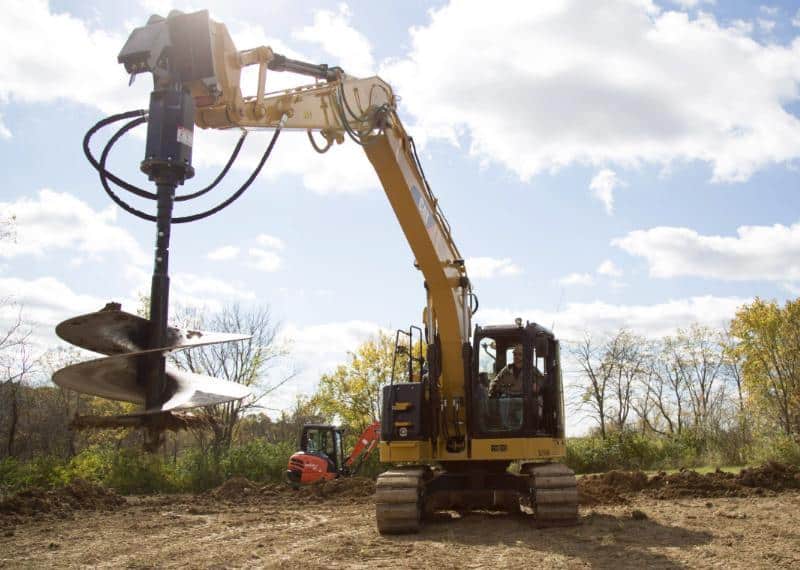
Auger attachments are excavator drilling accessories that use the machine’s hydraulics to dig clean, precise fence and post holes, plant trees, and install foundations. Spiral blades rotating around a steel shaft allow auger bits to lift spoils from the hole while maintaining precise vertical alignment.
Bits are available in varying widths and lengths, and with bit extensions when drilling to larger depths. Primary applications span across construction for foundation piles and roadworks, agriculture for fence installation and soil sampling, and utilities for placing drainage systems or utility poles.
Compaction Wheels
Consisting of a solid steel drum with welded rows of blunt pads and top mounting brackets that attach to the excavator arm, compaction wheels serve as the ideal attachment when compacting loose soil into stable, load-bearing ground. Unlike other listed attachments, compaction wheels rely solely on excavator movement and weight, with no hydraulics involved. This excavator attachment finds regular use in road and infrastructure projects, stabilizing soils for large building projects, backfilling and compacting soils for utilities, and reducing waste volume in landfill sites.
Specialized Attachments
Additional tools further expand the capabilities of a standard machine. Hydraulic shears deliver the massive force required to sever steel beams and rebar during complex structural deconstruction. Rippers feature a single, powerful tooth on a curved shank, allowing operators to break through compacted or frozen soil during the initial stages of a project. Finally, excavator pulverizers use a combination of fixed and movable jaws to crush and process materials efficiently during fast-paced demolition work.
Strategic Factors for Choosing the Right Excavator Implements
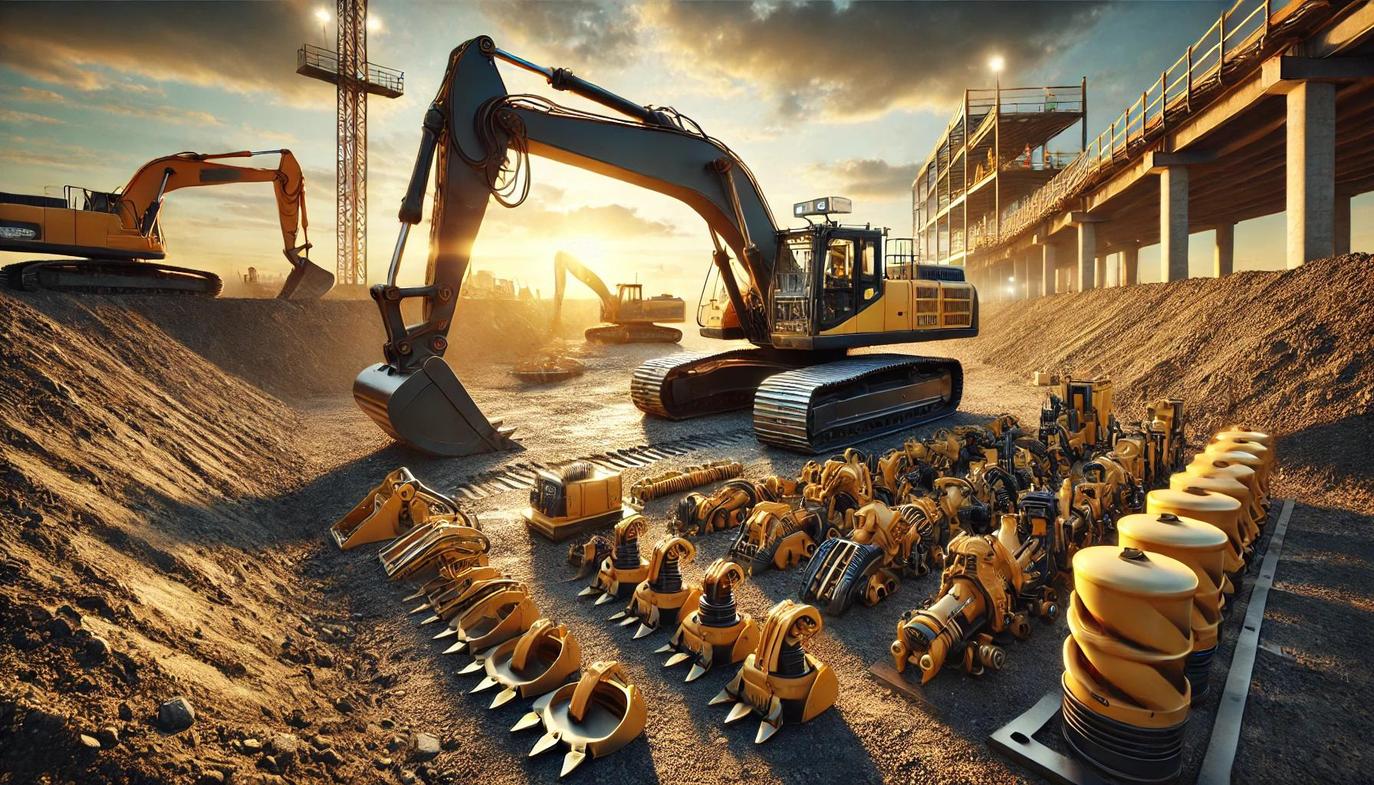
Operational success depends on matching the right tool to the machine’s unique capabilities. When you evaluate the potential for attachments to increase excavator efficiency, you must look beyond just the task at hand. Integrating a new implement into your workflow requires careful attention to the technical boundaries of your equipment.
Consider these primary compatibility factors during your selection process:
- Verify the excavator’s safe operating capacity against the weight of the new tool.
- Align hydraulic flow rates and pressure settings for tools like hammers or rippers.
- Confirm that the mounting system provides a secure, vibration-resistant connection.
- Match the specific tonnage of the machine to the attachment’s structural design.
Focusing on these mechanical details prevents the machine from working outside its intended envelope. By ensuring a perfect fit between the hydraulic system and the attachment, you maintain the high performance required for professional-grade results.
Avoiding the Hazards of Improper Attachment Sizing
A common mistake involves oversizing attachments. This leads to potential safety hazards, including instability, reduced precision and control, or overwhelming the machine’s hydraulics and stressing booms and arms. Strict adherence to excavator tonnage ratings when selecting implements prevents premature component failure and protects your long-term investment. Similarly, choosing undersized implements leads to lost productivity, longer work times, and advanced attachment wear.
Environmental and Site-Specific Selection Criteria
Analyzing soil density and material hardness allows for the selection of an appropriate excavator attachment that maximizes cycle times and reduces fuel consumption. You must evaluate how factors like soil density and material hardness will influence the performance of the chosen tool.
Utilizing precision-engineered implements from established brands significantly reduces unplanned downtime and maintains the tight tolerances required for high-stakes projects. High-quality steel and reinforced plates reduce the frequency of repairs, while reliable after-sales support ensures you have immediate access to essential spare parts.
Ensuring Peak Performance and Long-Term Equipment Health
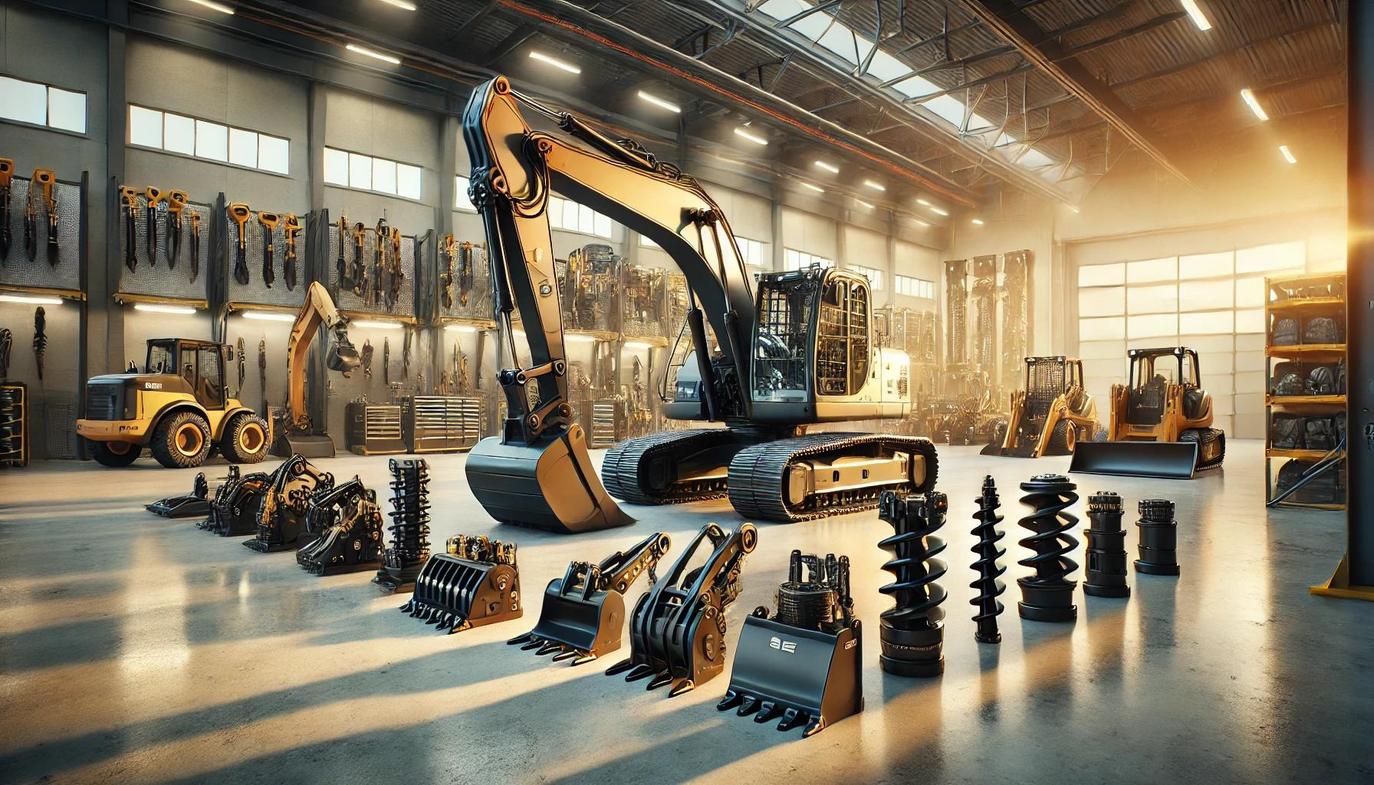
Finalizing your equipment setup requires a balance between technical specifications and real-world application. While the lure of oversized attachments might seem like a shortcut to faster results, the long-term health of your excavator depends on staying within the engineered limits of its hydraulic system and structural frame. When you align the weight, flow rate, and mounting style of your tools with the machine’s specific tonnage, you create a stable platform that performs reliably under pressure.
Investing in high-quality implements from reputable manufacturers pays dividends through reduced downtime and consistent precision. Whether you are stabilizing soil on a road project or navigating the tight corners of a demolition site, the quality of your attachment is often the deciding factor in project profitability. Prioritize durability and support to ensure your excavator remains a versatile asset for years to come.
Common Questions Regarding Excavator Implements
How do I know if an attachment is compatible with my excavator?
Check the machine’s operating manual for hydraulic flow rates, pressure limits, and lifting capacity to ensure they align with the attachment’s requirements.
What are the risks of using an oversized attachment?
Oversizing causes hydraulic overheating, excessive wear on the boom and arm, and significant instability that compromises operator safety.
Can I use hydraulic attachments on a mini excavator?
Yes, provided the attachment is specifically sized for the mini excavator’s lower hydraulic output and overall machine weight.
Why should I use a tilt bucket instead of a standard digging bucket?
Tilt buckets offer 45-degree rotation for precision grading and contouring on slopes where a standard bucket cannot reach the required angle.
Is a quick-hitch system necessary for all attachments?
While not strictly necessary, a hydraulic quick-hitch significantly reduces downtime by allowing operators to switch tools in minutes without leaving the cab.


