
A reliable power supply is necessary for industries, businesses, and homes. Some guidelines must be adhered to to acquire the proper power solution, such as power requirements, efficiency, and price. Because of the numerous options, selecting the appropriate one may not be easy. The details of the power solutions will be discussed, as this will help in getting the right energy source for the desired period.
Assess Your Power Requirements
First, defining the power consumption in your house or office is necessary. This helps choose a system that will provide enough power without having it remain idle or overemphasizing it. Businesses and homeowners should know how much power they require at their peak to ensure that their chosen system can handle that much power. One cannot fail to gain much information on the options available online. Many suppliers have a rich database of information, including specifications and comparison tools, that can be useful in making the right decision.
Selecting an appropriate Global Power Supply Automatic Transfer Switch will simplify switching power sources for those reliant on generators. There is much information available about these units from online sellers and manufacturers, and consumers can get information on most of these websites, such as models, consumer reviews, and advice on selecting the proper device. In this manner, you are sure that your chosen solution will support your energy needs without going through downtime or other related issues.
Compare Different Power Sources
Different power sources are provided for different purposes, each with advantages and disadvantages. Solar power systems are a renewable energy source with low maintenance requirements but have the drawback of relying on sunlight. Wind turbines are also a sustainable power source but require special conditions to function effectively. Conventional fuel-powered generators are still the most reliable type of power when it comes to backup.
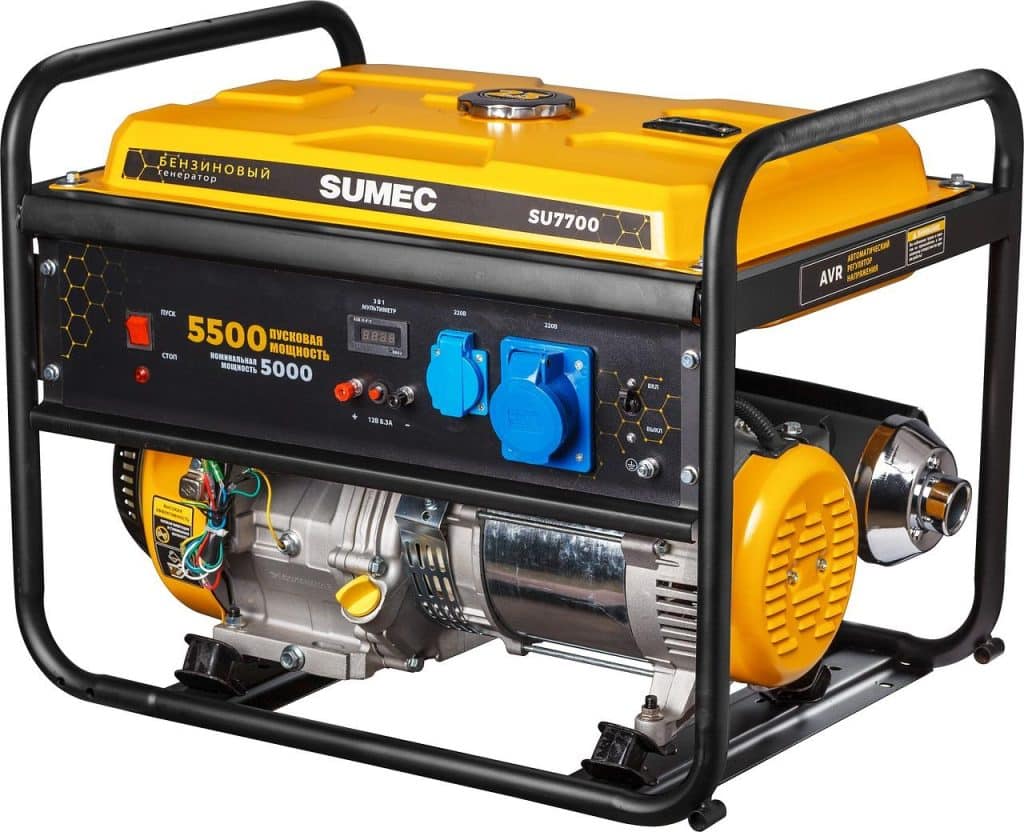
Diesel and gas generators are effective at supplying energy and perfectly suitable for most uses, but the fuel cost and availability need to be factored into the selection of such options. The above combinations of conventional and renewable energy systems form a compromise solution. These are power systems configured to mix the power sources, balance the loads, and produce the power from one or the other, whichever is more convenient. Being aware of the pros and cons of each power source will enable you to make informed choices.
Evaluate Installation and Maintenance Costs
The initial and total costs are important factors in selecting a power solution. The installation cost depends on the system type, location, and possible need for other accessories. For instance, installing solar panels is costly, but the user is rewarded with low-cost operations in the long run. Some systems require more care than others, and this also has a bearing on the overall cost. Some systems require little or no maintenance, while others require regular checking.
Fuel-powered generators need regular service and refilling, while solar systems need only occasional cleaning and panel checks. The costs of installation and maintenance should be considered to achieve a balanced result. Leasing and power purchase agreements are funding methods that assist in shifting the high purchase prices. Comparing the prices is advisable to ensure that the system is not overpriced and is worth the money.
Consider Scalability for Future Expansion
Power needs may change in the future, so the issue of scalability should be considered. A flexible power solution can grow with changes in usage without replacing the entire system. Those planning to expand their business should go for modular systems that can easily be upgraded.
Renewable energy solutions are also easily expandable by adding more solar panels or batteries as the demand increases. Such systems are versatile as they combine different energy sources and control the balance between them according to the load demand. The cost of scalability in the long run is important.
A system that can be upgraded will not require costly replacement. For this reason, building a power solution that can grow with future power requirements is possible.
Ensure Compliance With Safety Regulations
Approved products meet industry standards, making them less likely to fail or break down. Generators, batteries, and transfer switches need to be checked occasionally to verify that they are safe and reliable. Installation should be done only by professionals to prevent violations and hazards. Being aware of the safety guidelines is a means of enhancing the safety and life of the installation.
Using power supply systems with characteristics such as surge protectors, grounding, and shutdown is also recommended. These components protect the equipment and prevent electrical shocks. Implementing safety measures leads to developing a strong and adequate power supply system.
Examine Reliability and Durability
A dependable power solution ensures seamless operation during outages and peak demand. Longevity is a key to maintaining efficiency. Build quality and material ensure system durability and performance. Weather-resistant and corrosion-proof components enhance reliability, particularly for outdoor installations.
Power solutions for harsh conditions operate at high or low temperatures, humidity, and mechanical loads. Manufacturers’ guarantees indicate a system’s estimated lifespan and reliability. Extended warranties imply confidence in the durability of a product. Identifying good brands with good customer reviews helps you choose a durable power solution.
Weigh Remote Monitoring and Automation Features
Advancements in technology enhance power solution management by remote monitoring and automation. Smart energy systems allow real-time monitoring of power usage, system performance, and fault detection. Remote access capabilities enable computer or mobile device control of settings, alerts, and diagnostics.
Automated systems maximize efficiency through power distribution based on demand changes. Integration with home automation or business management software adds more control over power consumption. Spending on a solution with high-end monitoring capabilities simplifies operations and reduces downtime.
Seek Expert Advice for Informed Decisions
Consulting experts assist in the management of intricate power solution options. Energy experts evaluate individual needs and suggest the best options. Professional advice guarantees compatibility among components and resolves technical issues. Manufacturers and suppliers offer good information on product specifications, installation methods, and maintenance practices.
Reading case studies and customer feedback also supports decision-making. Consulting with industry professionals avoids expensive errors and maximizes system performance. Expert evaluations simplify selection, providing a power solution addressing present and future requirements.
Conclusion
The appropriate power solution necessitates thoughtful analysis of energy demand, efficiency, expenses, and safety. A well-informed choice yields consistent, sustainable, and cost-effective energy management. Providing future scalability flexibility and availing the advice of experts maximizes long-term advantages. Ranking these parameters assures a power solution specific to your needs.


