
In today’s world, where energy costs are constantly rising, finding ways to cut expenses while being environmentally conscious is more vital than ever. The good news is that by tapping into the abundant natural resources around us, we can power our homes efficiently and sustainably.
This article will guide you through various cost-saving strategies that leverage nature’s bounty, offering practical insights into how you can reduce your energy bills without compromising comfort. Whether you’re just getting started on your green energy journey or looking to enhance your current setup, this guide is tailored to help you make informed decisions.
Exploring the Power of Solar Energy
Solar energy is one of the most accessible and sustainable sources of power for homeowners. By harnessing the sun’s rays through solar panels installed on rooftops or in open spaces, you can generate electricity that powers everything from appliances to heating systems. The initial cost of solar panel installation might be high, but the long-term savings are substantial. Many governments offer tax incentives and rebates, making solar energy an even more attractive option.
Consider the environmental impact as well. Solar energy reduces reliance on fossil fuels, lowering carbon footprints and contributing to a cleaner planet. It’s a win-win situation for both your wallet and the environment. Additionally, technological advancements have made solar panels more efficient, allowing even those in less sunny areas to benefit from this renewable resource.
Maintenance of solar panels is minimal, mainly involving occasional cleaning and inspections to ensure optimal performance. Over time, as you harness the sun’s power, you’ll witness a decrease in your monthly energy bills, showcasing the effectiveness of this renewable energy source.
Wind Power Solutions for Home Use
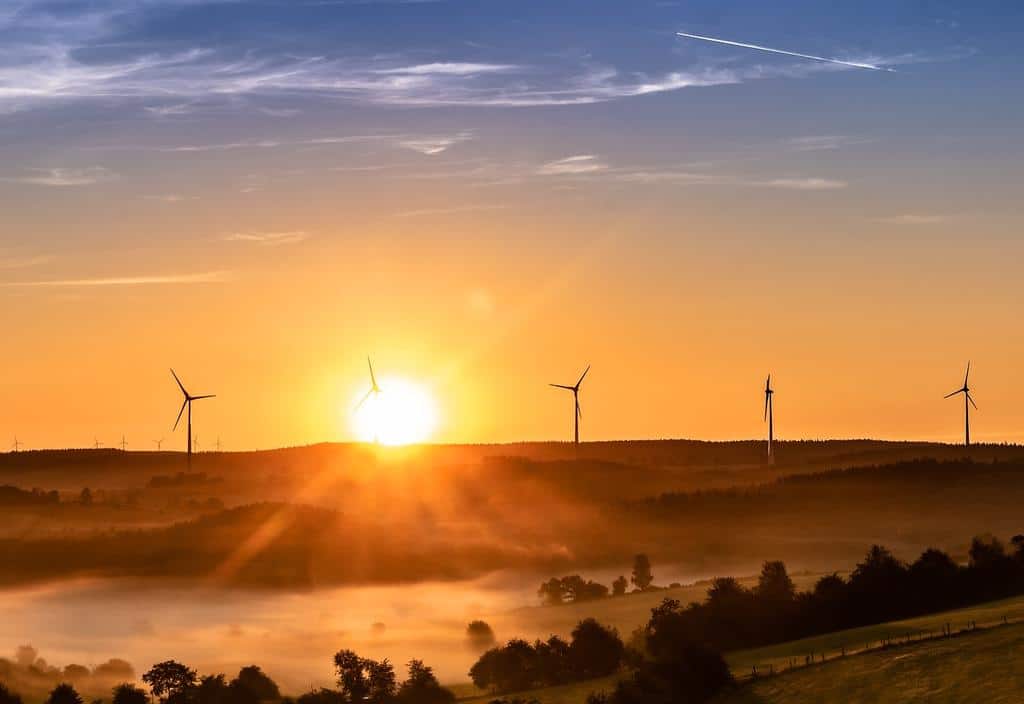
Wind power presents another viable option for those living in areas with consistent wind patterns. Residential wind turbines can be installed on properties to generate electricity, often complementing other renewable sources like solar. While wind turbines may not be suitable for every location, in the right conditions, they can significantly reduce electricity costs.
Like solar energy, wind power is sustainable and environmentally friendly. It offers a continuous energy supply with minimal carbon emissions, helping combat climate change. The turbines have become more efficient and quieter over the years, addressing some of the common concerns homeowners might have.
Investing in wind power requires a careful assessment of your property’s wind potential. Consulting with professionals can provide insights into the feasibility and expected energy output. Once installed, these turbines can significantly lower energy costs and create a resilient energy system for your home when paired with other renewable sources.
Take Advantage of Renewable Energy
Renewable energy sources such as solar, wind, and hydroelectric power offer sustainable alternatives to traditional energy systems. These resources are not only environmentally friendly but also economically beneficial in the long term. By implementing renewable energy solutions, you can reduce your reliance on fossil fuels and lower your electricity bills.
Using these renewable energy systems, you can create a more sustainable home that aligns with environmental goals. The transition to renewable energy might seem daunting, but many government incentives and programs can ease the financial burden of installation. Additionally, advancements in technology have made renewable systems more accessible and efficient than ever before. By choosing to switch to renewable energy, you’re making a commitment to a more sustainable future while enjoying cost savings along the way.
Furthermore, utilising renewable energy contributes to energy independence. By generating your own power, you’re less affected by fluctuations in energy prices and more resilient to supply disruptions. This assurance can bring peace of mind, knowing that your home remains powered, regardless of external circumstances.
Geothermal Heating and Cooling Systems
Geothermal energy utilises the constant temperature found underground to heat and cool homes. You can efficiently regulate indoor temperatures year-round by installing a geothermal heat pump. This system works by transferring heat to and from the ground, using much less energy than conventional heating and cooling methods.
Though the setup cost of geothermal systems can be high, the long-term savings on energy bills are significant. These systems are highly efficient, often reducing heating and cooling costs by up to 70%. Additionally, geothermal systems have a longer lifespan than traditional HVAC systems, leading to further savings over time.
The environmental benefits of geothermal energy are also noteworthy. This clean energy source produces minimal greenhouse gas emissions, making it eco-friendly. By investing in geothermal heating and cooling, you’re not only saving money but also contributing to a more sustainable planet.
Hydroelectric Power for Your Backyard
If you have access to a water source, micro-hydroelectric systems can provide a reliable and constant energy supply. These systems convert the kinetic energy of flowing water into electricity, offering a sustainable power source for rural homes. Unlike other renewable sources, hydroelectric power is consistent, providing energy day and night.
Installation of a hydroelectric system requires careful planning and assessment. You’ll need to determine the water flow and elevation drop to calculate potential energy output. Once installed, these systems require minimal maintenance and can produce substantial energy savings over time.
Hydroelectric power is an excellent option for those living near rivers or streams. It helps achieve energy self-sufficiency while minimising environmental impact. With proper planning and execution, hydroelectric systems can become a valuable part of your renewable energy strategy.
Maximising Energy Efficiency in Your Home
Beyond adopting renewable energy sources, maximising energy efficiency within your home can further reduce costs. Simple changes like upgrading to LED lighting, sealing windows and doors, and installing smart thermostats can lead to noticeable savings. These measures improve energy usage and enhance home comfort.
Consider conducting an energy audit to identify areas of improvement. This assessment can pinpoint energy inefficiencies and provide guidance on cost-effective upgrades. By addressing these issues, you can reduce energy consumption and lower utility bills.
Energy efficiency is not just about saving money; it’s about creating a more comfortable living environment. Improved insulation, for example, can maintain consistent indoor temperatures, reducing the need for excessive heating or cooling.
Conclusion
Powering your home with natural resources is not only an effective cost-saving strategy but also a responsible choice for the environment. By exploring options such as solar, wind, geothermal, and hydroelectric power, you can create a sustainable energy system that benefits both your wallet and the planet. Maximising energy efficiency within your home further enhances these benefits, leading to a comfortable and eco-friendly living environment.


