
Electric vehicle (EV) adoption is accelerating across Southeast Asia, signalling a broader shift in how the region moves people and goods. In Singapore alone, EVs accounted for over 40% of new car sales in early 2025, up sharply from just a few years ago. Thailand has also seen EV sales rise, with 66,000 units registered in the first seven months of 2025, representing around 18% of the car market, alongside strong growth in domestic EV production. Meanwhile, neighbours such as Malaysia and Indonesia are recording steady increases in EV uptake, supported by policy incentives and expanding charging infrastructure.
These figures show that electrification is no longer niche but a mainstream shift across the region, presenting an opportunity for businesses to consider electrifying their fleets. Financial products are evolving alongside this trend, with banks and lenders increasingly offering options such as green car loans for electric car purchases, which makes fleet acquisition much more accessible. With policy support and financial incentives improving across Southeast Asia, now is an ideal time for companies to evaluate how EVs could fit into their fleet strategy.
Let’s explore some key insights that business owners can use to make more informed decisions about fleet electrification.
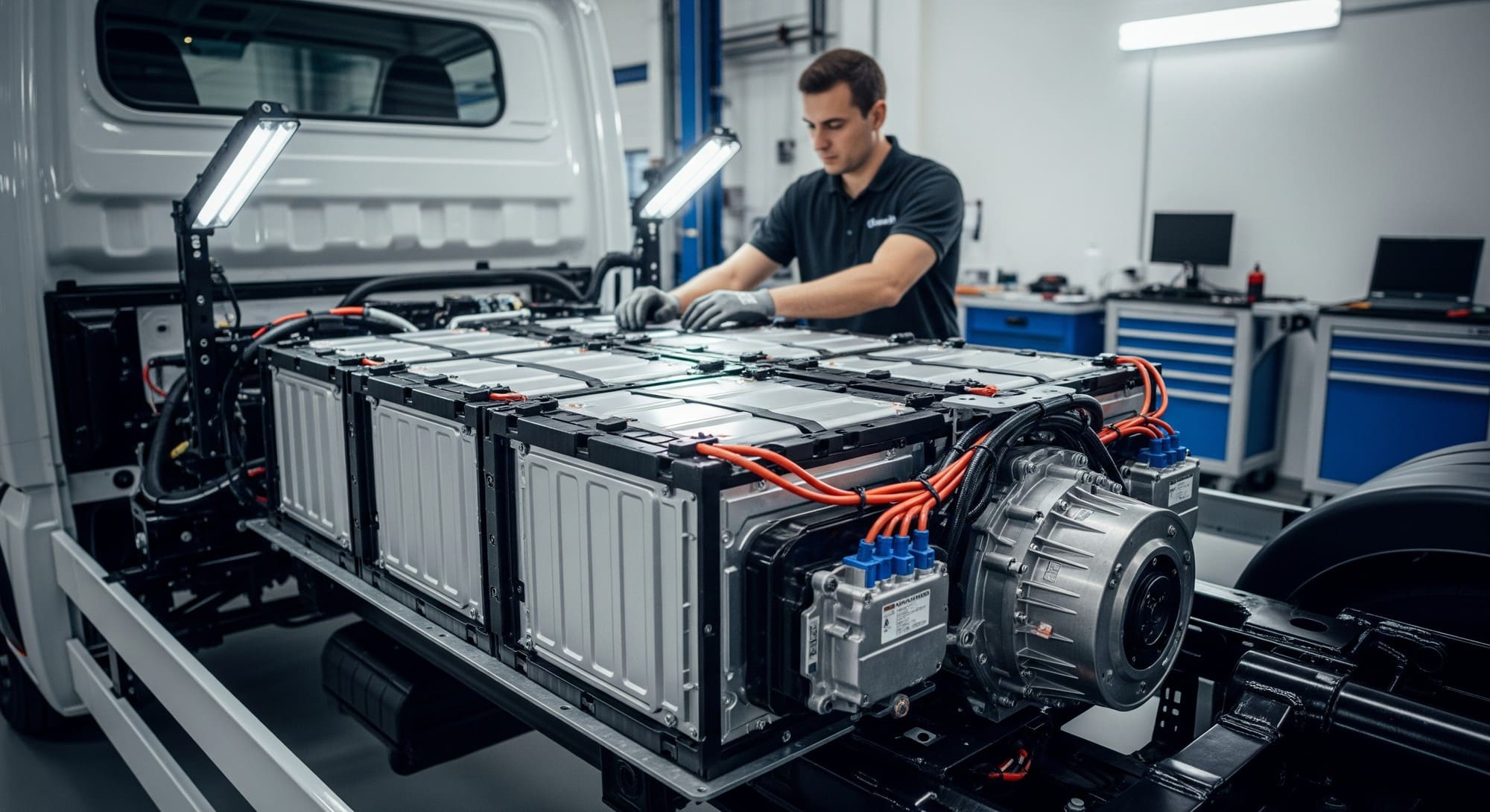
1. Growing Financing Options Make EV Fleets More Accessible
The higher upfront cost of electric vehicles has long been a barrier for businesses considering fleet electrification. Fortunately, banks and government institutions across Southeast Asia are now offering more flexible financing solutions, making it easier for companies to adopt EVs without straining cash flow. In Singapore, for instance, tailored loan packages combined with government rebates allow businesses to manage vehicle payments while transitioning to cleaner fleets.
These evolving financial options help businesses plan fleet electrification more strategically and reduce the risk associated with large upfront investments. By spreading costs over time, companies can make the transition to electric vehicles more manageable and financially viable.
2. EV Fleets Drive ESG and Sustainability Performance
Electrifying vehicle fleets offers companies a tangible way to meet environmental, social, and governance (ESG) targets. EVs produce zero tailpipe emissions, thus allowing businesses to reduce their carbon footprint while complying with tightening environmental regulations. For urban areas in Indonesia, where pollution is a growing concern, shifting to EV fleets can contribute meaningfully to cleaner air and a healthier environment.
Southeast Asian companies also benefit from a strong ESG narrative. Adopting EVs demonstrates a commitment to sustainability, enhancing corporate reputation and appealing to environmentally conscious customers, partners, and investors. Beyond regulatory compliance, EV fleets provide a visible measure of corporate responsibility in a region where sustainability is becoming an important competitive advantage.
3. Operational Savings Make EV Fleets Cost-Effective
While electric vehicles often have higher upfront costs, they tend to be cheaper to operate over their lifetime. Electricity is generally more stable and affordable than petrol or diesel, and EVs require less maintenance due to simpler drivetrains and fewer moving parts.
Lower maintenance requirements also translate to less downtime, keeping fleets productive with minimal disruption. Over the lifespan of the fleet, these operational efficiencies can offset the higher initial investment, thereby making EVs a financially sound choice for businesses aiming to operate sustainably while controlling costs.
4. Local EV Production Is Reducing Costs and Strengthening Supply Chains
Local production of electric vehicles is expanding across Southeast Asia, which is helping to reduce acquisition costs and improve supply reliability. Thailand, for instance, has seen significant growth in domestic EV assembly, while Indonesia is investing heavily in battery production and EV manufacturing.
Sourcing vehicles locally provides companies with shorter delivery times, competitive pricing, and better after-sales support. In turn, less reliance on imports allows fleet operators to plan rollouts more efficiently and scale electrification with greater confidence, ensuring smooth operations as the market continues to grow.
5. Expanding Charging Infrastructure Enables Smooth Fleet Operations
The availability of charging infrastructure has long been a concern for fleet operators, but the landscape is improving rapidly. Singapore, for example, has thousands of public and depot-based chargers, and many Southeast Asian neighbours are actively expanding their networks as well in order to support growing EV adoption.
With more chargers available, businesses can set up dedicated depot facilities and schedule off-peak charging, keeping vehicles operational without disrupting daily routes. Improved infrastructure makes it easier to manage larger fleets, reducing range anxiety and providing the flexibility required for commercial operations.
6. Policy Incentives Are Creating a Window of Opportunity for Early Adopters
Southeast Asian governments are actively encouraging EV adoption through tax incentives, grants, and regulations favouring low-emission vehicles. These policies help reduce the total cost of ownership for companies, making early adoption financially appealing.
Businesses that act now can take advantage of these incentives before they reach their limits. Early movers benefit from both cost savings and enhanced reputation, while competitors may face higher costs or stricter requirements as regulations tighten over time.
7. Fleet Electrification Future-Proofs Business Operations
Adopting EVs today helps businesses prepare for stricter emissions standards and rising fuel costs. Early integration allows fleets to optimise route planning, manage charging schedules, and test vehicle types under real-world conditions, creating a resilient and efficient operational model.
For Southeast Asian companies, electrifying fleets ensures compliance with evolving regulations while enabling them to seize emerging market opportunities. A future-ready fleet can reduce risk, improve efficiency, and support long-term sustainability goals, making electrification a strategic investment rather than a short-term expense.

Seizing the Opportunity for Fleet Electrification
Fleet electrification in Southeast Asia is no longer a distant vision but a practical strategy for businesses today. With supportive financing from governments and financial institutions, alongside expanding infrastructure, companies can transition more smoothly and with better consideration of cost-effectiveness. The faster they can adopt electric fleets, the easier it will be for businesses within the region to position themselves as leaders in sustainable, future-ready operations.


