
The construction industry is evolving rapidly, driven by innovation and technological advancements. To stay competitive, companies must embrace these changes. Traditional methods alone no longer suffice. Modern technology offers the tools needed to improve efficiency, enhance quality, and reduce costs.
Whether you’re a small contractor or a large construction firm, adapting to these advancements is crucial. The future belongs to those who are ready to evolve and take advantage of the tools available.
Embrace the Future of Construction
This guide will walk you through key technologies transforming concrete construction. From AI-powered sensors to advanced project management software, we’ll explore practical solutions that can help your business stay ahead.
Whether you’re looking to increase productivity, ensure safety, or enhance precision, modern technology has something to offer. Get ready to discover how these innovations can transform your operations and give you a competitive edge.
AI Sensors from Converge: Revolutionizing Concrete Monitoring
One of the most significant technological advancements in concrete construction is the introduction of AI-powered sensors. Companies like Converge are at the forefront of this revolution. Their AI sensors monitor the curing process of concrete in real-time. This innovation allows for precise control over concrete strength and quality, which is critical in construction.
With AI sensors, you no longer need to rely on guesswork or traditional methods to determine when concrete has cured. These sensors provide real-time data, allowing you to make informed decisions on-site. This not only improves the quality of your concrete but also speeds up construction timelines. Faster curing means you can move on to the next phase of your project sooner, saving time and money.
Key Benefits of AI Sensors:
- Real-Time Monitoring: Get instant updates on concrete curing, allowing for faster and more accurate decisions.
- Enhanced Quality Control: Ensure that your concrete reaches optimal strength and durability with precise monitoring.
By integrating Converge’s AI sensors into your projects, you can enhance efficiency and maintain a higher standard of quality. In a competitive industry, these improvements can make a significant difference.

Advanced Project Management Software
Managing a construction project is complex. With multiple teams, timelines, and materials to coordinate, staying on track can be challenging. Advanced project management software helps streamline this process. Tools like Procore and Buildertrend offer centralized platforms where you can manage every aspect of your project, from initial planning to final execution.
These platforms allow you to track progress, assign tasks, and monitor budgets in real-time. With everything in one place, communication becomes more accessible, and mistakes are minimized. This not only saves time but also ensures that projects are completed on schedule and within budget.
Advantages of Using Project Management Software:
- Improved Collaboration: All team members can access up-to-date information, reducing misunderstandings and delays.
- Better Budget Management: Track expenses and prevent cost overruns by keeping a close eye on financials.
Incorporating modern project management tools into your workflow is essential for staying competitive. They provide the organizational structure needed to handle increasingly complex projects.
Drones and Robotics in Construction
Drones and robotics are no longer futuristic concepts; they are practical tools that are reshaping the construction industry. Drones provide aerial views of construction sites, making it easier to monitor progress, inspect for safety, and create accurate site maps. This technology saves time and provides data that was previously difficult or impossible to obtain.
On the other hand, robotics can handle tasks that are repetitive or hazardous. Robotic arms, for example, can assist with bricklaying, concrete pouring, and even demolition. These machines increase productivity and reduce the risk of injury to workers.
How Drones and Robotics Add Value:
- Enhanced Safety: Reduce the need for workers to perform dangerous tasks.
- Increased Efficiency: Perform repetitive tasks faster and more accurately than human workers.
By integrating drones and robotics into your operations, you can improve safety, reduce costs, and complete projects faster. This technological edge can set you apart from competitors who still rely on traditional methods.
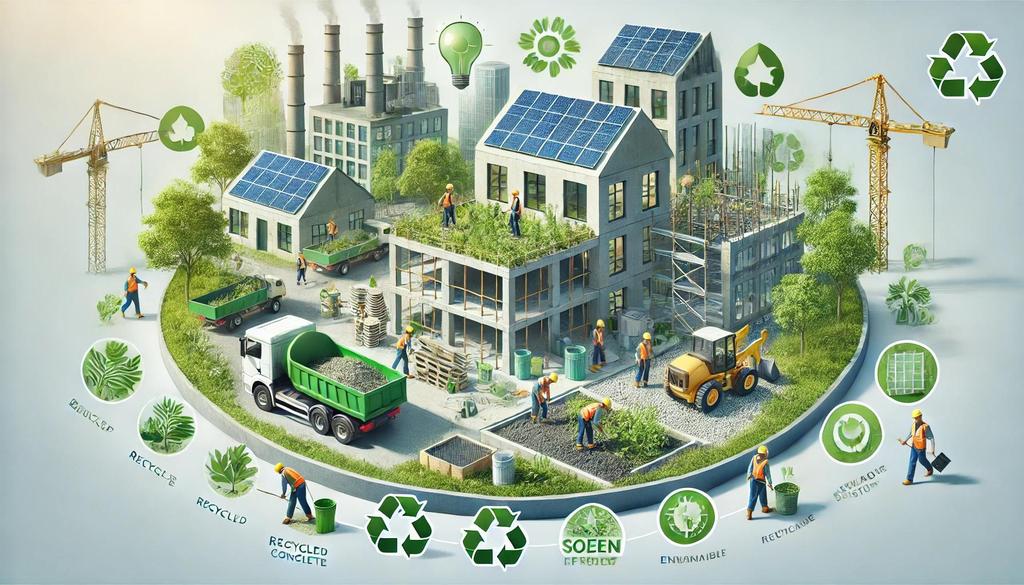
Sustainable Construction with Green Technology
Sustainability is becoming increasingly important in the construction industry. Modern technology offers numerous solutions for building more eco-friendly projects. For instance, using recycled materials in concrete mixes can reduce waste and lower costs. Additionally, energy-efficient building systems, such as smart lighting and HVAC, are now standard in new constructions.
Companies that prioritize sustainability not only meet regulatory requirements but also appeal to clients who are looking for environmentally responsible contractors. Investing in green technology can boost your company’s reputation and attract more business.
Sustainable Practices to Consider:
- Recycled Materials: Use recycled concrete in your concrete slabs, steel, and other materials to reduce environmental impact.
- Energy-Efficient Systems: Implement smart technologies that reduce energy consumption in buildings.
Adopting sustainable practices not only helps the environment but also positions your company as a forward-thinking leader in the industry.
Virtual and Augmented Reality in Design
Virtual Reality (VR) and Augmented Reality (AR) are transforming how construction companies approach design and planning. VR allows stakeholders to experience a building before it’s constructed.
This immersive experience can be crucial for identifying potential issues early in the process. AR, on the other hand, overlays digital information in the real world, assisting with on-site tasks like measuring and placement.
These technologies enhance collaboration between architects, engineers, and construction teams. They ensure everyone is on the same page, reducing the likelihood of costly mistakes.
Benefits of VR and AR:
- Improved Design Accuracy: Spot design flaws before construction begins, saving time and money.
- Enhanced Collaboration: Provide all stakeholders with a clear, shared vision of the project.
By incorporating VR and AR into your design process, you can offer clients a better understanding of the final product. This not only improves client satisfaction but also reduces the risk of rework and delays.

3D Printing: The Future of Construction
3D printing is another technological advancement making waves in concrete construction. This innovative method allows for the creation of complex structures with high precision and minimal waste. 3D printers can produce everything from building components to entire houses, revolutionizing the way we approach construction.
3D printing reduces the need for traditional formwork, speeding up the construction process and cutting costs. Additionally, it allows for more creative designs that would be difficult or impossible to achieve with conventional methods.
Why 3D Printing is a Game-Changer:
- Faster Construction: Reduce project timelines with rapid printing capabilities.
- Cost Efficiency: Lower material waste and labor costs, making projects more affordable.
For construction companies, adopting 3D printing technology can open new opportunities for innovation and growth. It’s a powerful tool for staying competitive in a rapidly evolving industry.
Digital Transformation of Concrete Construction
The future of concrete construction is digital. Companies that fail to embrace modern technology risk falling behind. From AI sensors that optimize concrete curing to 3D printing that revolutionizes building, technology is the key to staying competitive.
Investing in these technologies will not only improve efficiency but also enhance the quality and sustainability of your projects. Whether you’re looking to improve project management, enhance safety, or reduce costs, modern technology has a solution.
By following this guide and integrating these advancements into your operations, your concrete construction company can stay ahead of the competition and thrive in the modern market.


