
Every home relies on its garage door for security, convenience, and aesthetic appeal. Often overlooked, a garage door’s lifespan reflects material quality, operational frequency, climate, and maintenance. Homeowners often assume a garage door lasts indefinitely without attention; however, regular care and timely repairs significantly extend its life.
Understanding how long a garage door typically lasts and what measures can help prolong its performance is crucial for preventing unexpected failures and costly replacements. This article examines average garage door lifespans and the crucial role maintenance and repairs play in enhancing their durability and functionality.
Optimizing Garage Door Lifespan: Maintenance & Repairs
Typical Garage Door Lifespan by Material
A garage door’s longevity largely depends on its material. Strong and warp-resistant steel doors typically last 15 to 30 years with proper maintenance. Visually appealing wooden doors generally last 10 to 20 years. However, wooden doors are more susceptible to moisture damage, warping, and termite infestations. Aluminum and composite doors typically last 15 to 25 years.
Proactive Care for All Garage Door Materials
Timely services, such as garage door repair in Winter Park, make a significant difference in prolonging door life. Maximize any material’s lifespan through routine inspections, environmental protection, and addressing minor issues before they become major problems. High-quality doors can still deteriorate quickly if exposed to harsh weather or neglected. Proactive care is essential for long-term durability.
Springs & Hardware: Keys to Garage Door Longevity
Beyond its panels, a garage door’s springs, hinges, rollers, and hardware are critical for smooth operation. Torsion and extension springs, which counterbalance the door’s weight, typically require replacement every 7 to 12 years, depending on usage. Without proper spring tension, doors may operate unevenly, straining the motor and other components. Similarly, hinges, rollers, and tracks experience wear and tear, becoming misaligned or damaged over time.
Importance of Hardware Inspection & Repair
Regular inspection and necessary repairs prevent small component issues from escalating, ensuring the door remains balanced and functional. Ignoring worn-out hardware often leads to sudden breakdowns, causing safety risks and costly emergency repairs.
How Environmental Factors Impact Garage Door Lifespan
Climate and environmental exposure significantly impact a garage door’s lifespan. Areas with extreme heat, cold, or high humidity can accelerate wear on materials and hardware. Wooden doors may warp in humid conditions or crack in dry heat. Steel doors can be prone to rust if not properly coated or maintained. Dust, debris, and salt accumulation from nearby roads can also affect the smooth movement of tracks and rollers.
Mitigating Environmental Damage for Garage Doors
Regular cleaning, lubrication, and protective coatings mitigate environmental damage, extending the door’s usable life. Knowing a home’s specific environmental challenges allows homeowners to take targeted actions, preserving their garage door and preventing premature deterioration.

Preventive Maintenance: Boosting Garage Door Life
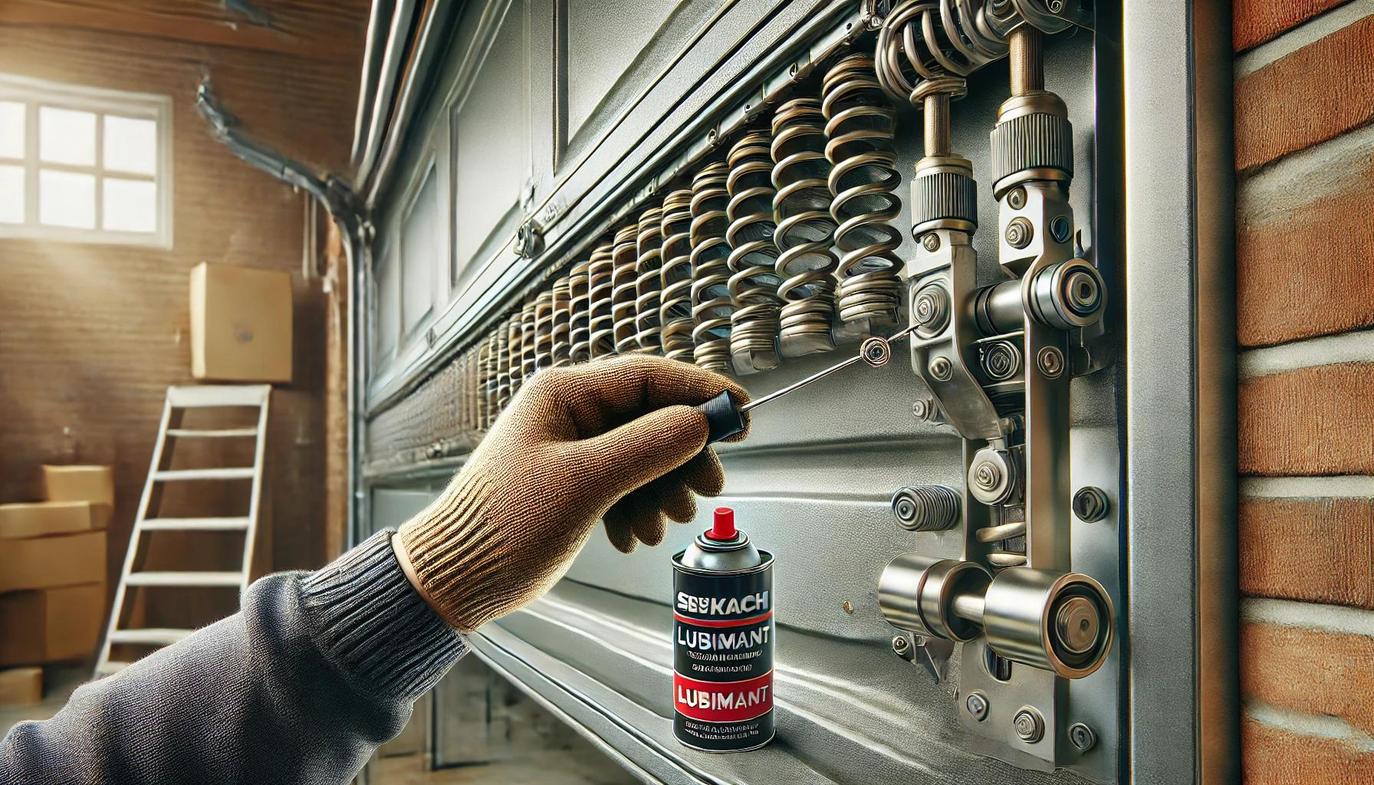
Consistent preventive maintenance effectively prolongs a garage door’s life. Tasks include lubricating moving parts, tightening loose hardware, and inspecting the door for wear or damage. Minor adjustments, like realigning tracks or replacing worn-out rollers, significantly improve performance and reduce strain on the opener and springs.
Long-Term Benefits of Consistent Maintenance
Preventive maintenance identifies small issues early, preventing escalation into complete failure or safety hazards. Homeowners often underestimate these small interventions’ cumulative effect. Over time, however, these contribute to smoother operation, longer lifespan, and reduced repair costs. A regular maintenance schedule, tailored to the door’s material and usage, significantly extends its functional life.
Strategic Repairs: Avoiding Garage Door Replacement
Timely repairs prevent dents, cracks, or misalignment from spreading once a garage door experiences them. For instance, a small steel door dent can be treated before it develops rust. A misaligned track can be adjusted before it damages rollers or door panels. Prompt replacement of broken springs, worn-out rollers, or damaged cables ensures safe and efficient door operation.
Strategic Value of Early Garage Door Repairs
Early issue resolution is often more cost-effective than waiting for complete failure, which usually requires full replacement. Repairs thus represent a strategic investment, prolonging the door’s life and maintaining overall home security and convenience.
Professional Inspections for Garage Door Care
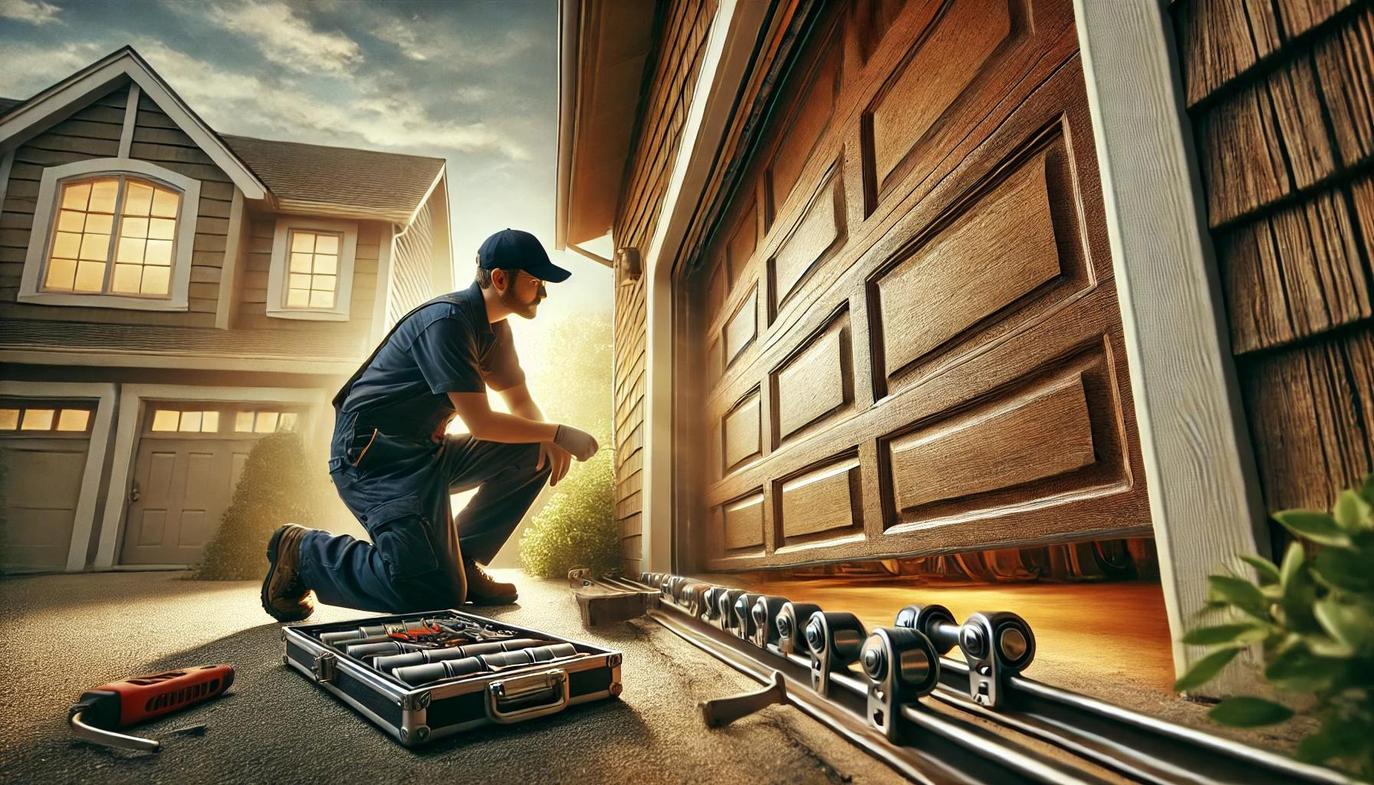
Though homeowners handle basic maintenance, periodic professional inspections catch easily overlooked hidden problems. Professionals precisely assess springs, cables, rollers, and tracks, ensuring timely and effective repairs.
Combining DIY & Professional Garage Door Care
Regular DIY maintenance benefits from a professional perspective, adding an extra layer of assurance. Scheduled inspections enable a planned approach to repairs, reducing emergency callouts and unexpected expenses. Over time, this combined strategy of self-care and professional assessment maximizes the door’s durability and performance, providing long-term value.
Maximizing Garage Door Lifespan & Performance
Proactive maintenance and timely repairs fundamentally extend a garage door’s functional lifespan, regardless of material or environmental exposure. Consistent attention to components like springs, hardware, and tracks prevents minor issues from escalating into costly failures, guaranteeing smooth and safe operation. This strategic approach safeguards the door’s immediate functionality and its long-term value as a crucial element of home security and convenience.
Common Questions About Garage Door Lifespan and Maintenance
Regular professional inspections and routine homeowner care empower property owners to optimize their garage door investment. By addressing wear and tear before it compromises structural integrity, homeowners ensure enhanced durability and reliable performance for years. This comprehensive care effectively extends the garage door’s life, preventing premature replacement and maintaining the home’s aesthetic and functional appeal.
How Long Does a Typical Garage Door Last?
A garage door’s average lifespan varies significantly by material and usage. Steel garage doors generally last 15 to 30 years, while wooden doors typically endure 10 to 20 years. Aluminum and composite doors usually fall within the 15 to 25-year range. Proper maintenance and timely repairs maximize any garage door type’s expected life.
What Factors Primarily Influence Garage Door Longevity?
Key factors impacting garage door longevity include material quality, operational frequency, and local climate conditions. Exposure to extreme temperatures, high humidity, or coastal salt can accelerate wear and tear. Consistent preventive maintenance, such as lubricating moving parts and addressing minor issues promptly, also plays a critical role in extending its lifespan.
Is Professional Garage Door Maintenance Necessary?
Homeowners can perform basic maintenance like lubrication, but periodic professional inspections are highly recommended for comprehensive care. Professionals can identify hidden problems with springs, cables, rollers, and tracks that might be overlooked. This ensures repairs are precise and effective. This proactive approach prevents major breakdowns, improves safety, and significantly contributes to the door’s overall durability and longevity.
Can I Extend the Life of My Garage Door Springs?
Garage door springs (torsion and extension) have a finite lifespan, typically requiring replacement every 7 to 12 years depending on usage cycles. Proper maintenance and a balanced door prevent premature wear, but springs are consumable components designed for a specific number of operations. Regular professional checks ensure springs are replaced before they fail. This prevents potential safety hazards and further damage to the garage door system.
What Are the Benefits of Timely Garage Door Repairs?
Timely garage door repairs strategically prolong the door’s life and maintain home security. Addressing minor issues like dents, cracks, or misaligned tracks prevents them from worsening and leading to more extensive, costly damage. Prompt replacement of worn components like rollers, hinges, or cables ensures safe and efficient door operation. This often avoids the need for a full and expensive garage door replacement.

