
Maintaining a comfortable temperature inside your business premises is crucial for productivity and customer satisfaction. It also protects your assets. Whether you manage an office, retail space, warehouse, or restaurant, the right heating and cooling systems fundamentally impact daily operations.
Selecting and maintaining these systems extends beyond simple air conditioner or furnace installation. Such decisions encompass energy efficiency, indoor air quality, layout design, and future business growth. This comprehensive guide covers key aspects of heating and cooling your business premises, offering advice about selecting the right systems, managing costs, and ensuring optimal commercial heating and cooling performance year-round.

Assessing Business HVAC Needs
Each business presents unique heating and cooling requirements. Small-room offices demand a different approach than large open-plan warehouses. Evaluate premise size, occupant count, insulation levels, and equipment type before investing in a system.
The Role of Energy Audits and Climate Factors
An energy audit serves as a crucial initial step, aiding in the understanding of energy loss and necessary heating or cooling. Regional climate significantly influences needs; colder areas may require robust heating, while warmer climates prioritize effective cooling. Identifying these factors upfront prevents overspending on oversized units and mitigates inefficiencies from undersized ones.
Exploring Commercial Heating Solutions
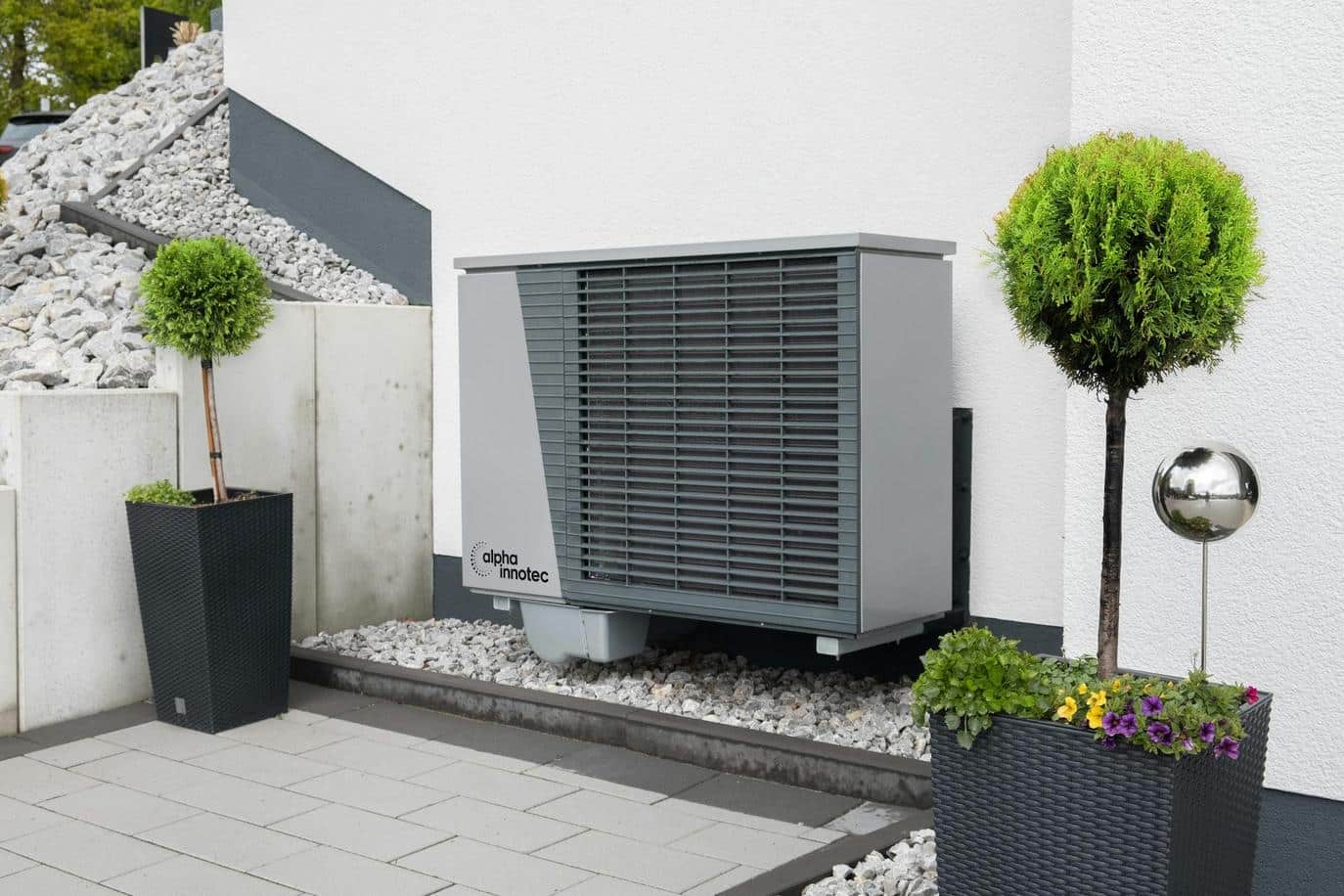
Commercial heating system selection demands careful consideration of efficiency and functionality. Options range from traditional furnaces and boilers to modern heat pumps, with benefits varying by building size and layout.
Integrating Heating and Cooling for Optimal Efficiency
Commercial cooling systems are often integrated into the same infrastructure, optimizing energy use and reducing costs. Radiant floor heating and zone-controlled systems provide targeted warmth, enhancing comfort in large or multi-purpose spaces. Assessment of your building’s insulation, occupancy patterns, and energy goals guides the most effective choice.
Commercial Cooling for Peak Productivity
Central air conditioning stands as the most prevalent choice for commercial properties. It offers whole-building coverage and integrates with ductwork for efficient distribution. Ductless mini-split systems deliver flexibility and energy savings for smaller premises or specific zones. Although evaporative coolers are less common, they are highly effective in dry climates. Traditional air conditioning may not be necessary there.
Specialized Cooling Options and Operational Impact
In larger buildings, rooftop units (RTUs) are favored for saving indoor space and facilitating easier maintenance. Effective cooling protects equipment and ensures employees work efficiently, free from excessive heat distraction. For instance, in restaurants, a poorly cooled environment can drive away customers and strain kitchen operations.
Maximizing Energy Efficiency and Cost Savings
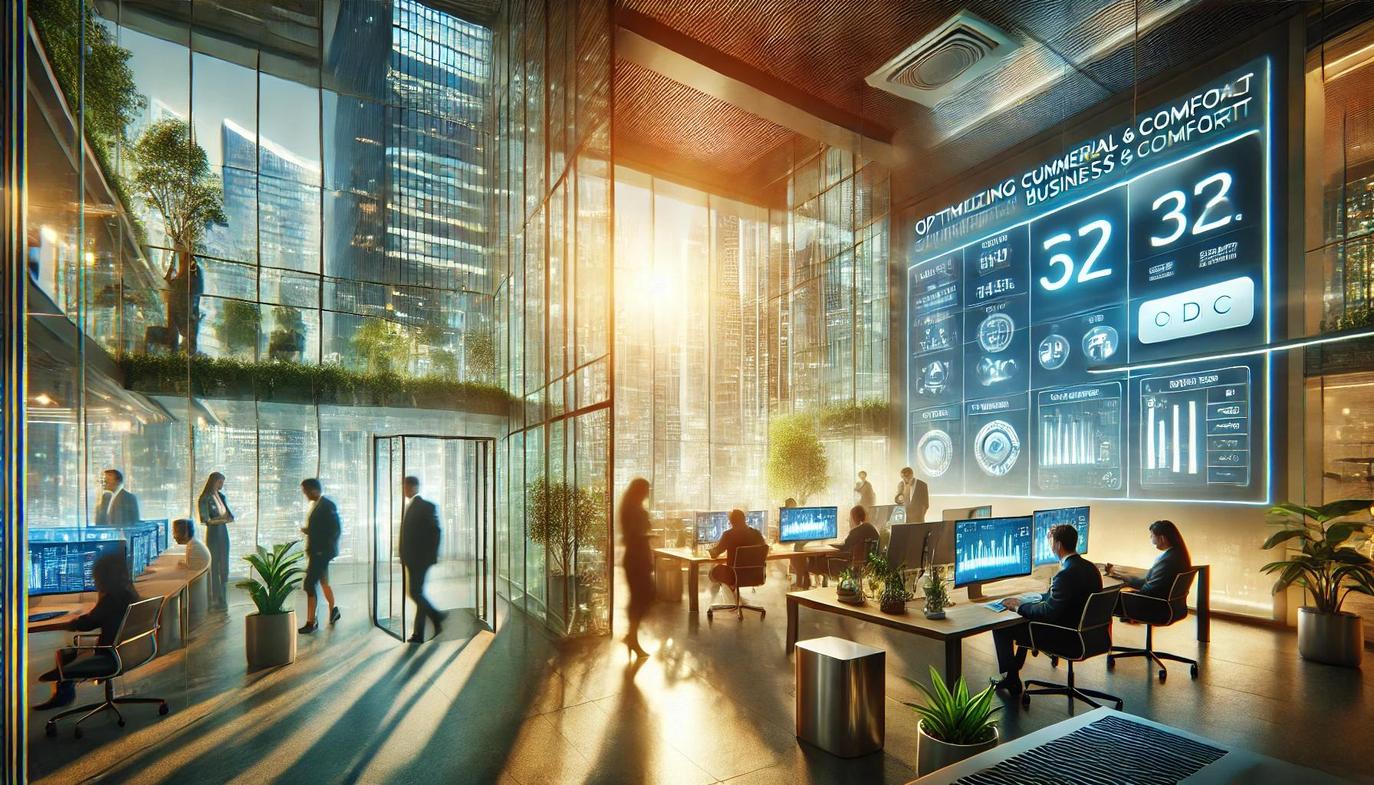
Heating and cooling systems contribute significantly to a business’s energy bill. Energy efficiency stands as a primary consideration when selecting or upgrading equipment. Opt for systems with high efficiency ratings, such as ENERGY STAR–certified units, which consume less energy without compromising performance. Smart thermostats and automated controls significantly improve temperature regulation based on occupancy patterns.
The Critical Role of Insulation and Sealing
Reducing heating or cooling during non-working hours substantially cuts costs. Good insulation and proper sealing of windows and doors are equally crucial, preventing conditioned air from escaping.
HVAC Maintenance for System Longevity
System installation merely marks the beginning. Regular maintenance ensures smooth and efficient operation. Commercial heating and cooling systems, operating under heavier loads than residential ones, necessitate frequent check-ups. Regular filter replacement is essential for maintaining air quality and preventing system strain.
The Value Of Professional Inspections and Employee Training
Annual inspections by licensed professionals detect early issues, such as leaks, worn parts, or electrical malfunctions. Preventive maintenance, while an initial expense, saves money long-term by avoiding costly breakdowns and extending equipment lifespan. Businesses must train employees to recognize warning signs like unusual noises, inconsistent temperatures, or sudden spikes in energy bills.
Implementing Smart Zoning for Climate Control
Zoning systems and smart climate control offer highly effective optimization for heating and cooling. Zoning divides premises into separate areas, each with independent thermostat settings. This approach proves ideal for businesses with varied area usage patterns. A conference room, for instance, requires less constant conditioning than a busy office floor.
Advanced Smart Thermostat Features and Remote Control
Smart thermostats advance this by learning usage patterns and automatically adjusting temperatures. Remote control via apps offers business owners flexibility and control. These technologies reduce energy waste and improve comfort levels, ensuring no area is overheated or overcooled.
Enhancing Indoor Air Quality and Well-Being
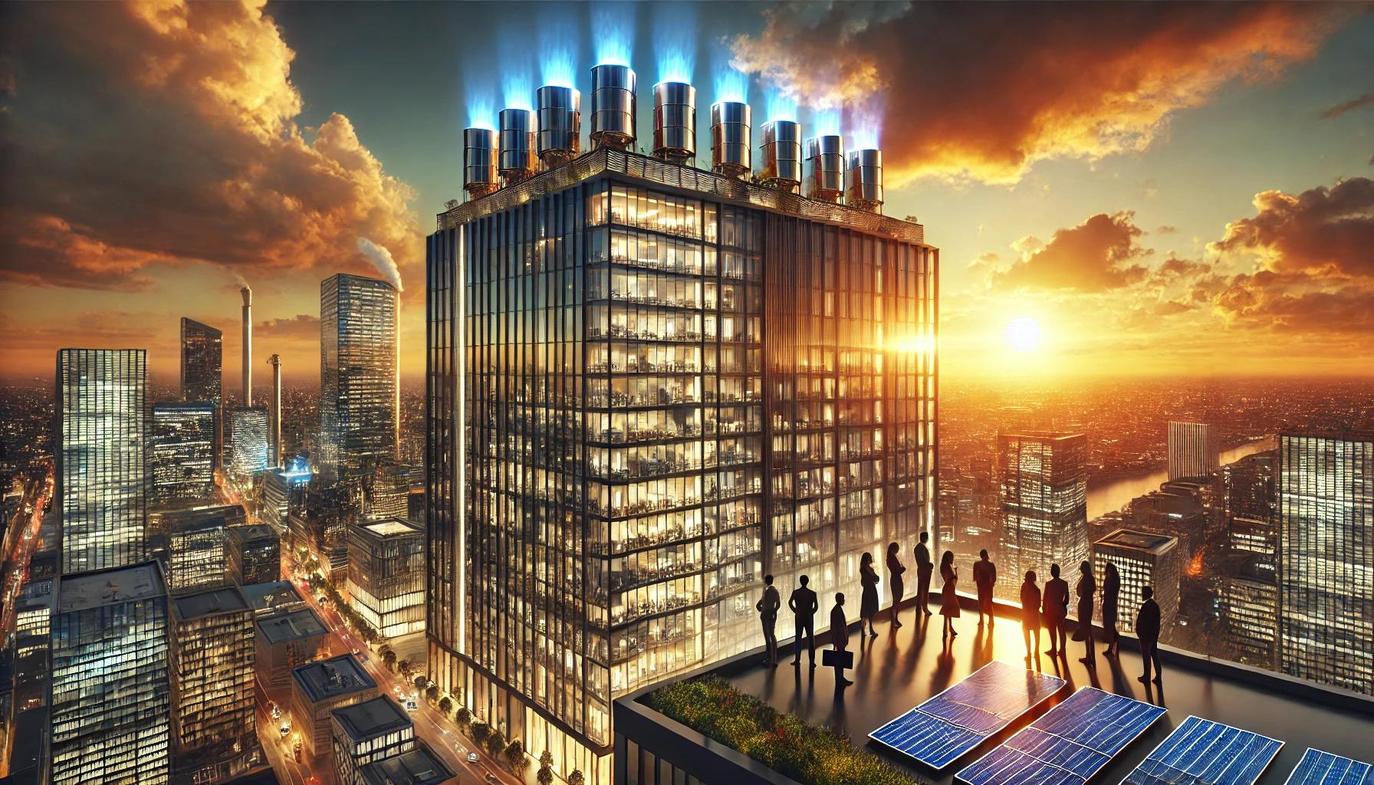
Heating and cooling systems impact indoor air quality, directly influencing employee health and productivity. Poor ventilation can result in a buildup of pollutants, allergens, or excess humidity, causing discomfort and even health issues.
Modern HVAC Solutions for Superior Indoor Air Quality
Modern HVAC systems feature advanced air filtration and humidity control, helping maintain a healthier environment. Investing in such systems demonstrates commitment to employee well-being, reducing absenteeism and improving morale. For customer-facing spaces like gyms, salons, or restaurants, superior air quality fosters a positive impression and encourages repeat visits.
Future-Proofing Your Commercial Climate Strategy
Business needs evolve, as do heating and cooling technologies. Planning for your premises necessitates considering future growth and advancements in the industry. Renewable energy-powered systems, such as those using solar panels or geothermal heat pumps, emerge as sustainable alternatives.
Smart Building Management and Future Innovations
These solutions, while requiring higher upfront investment, offer significant long-term savings and align with environmental goals. As technology advances, systems increasingly integrate with smart building management platforms, offering greater efficiency and data-driven insights. Forward-thinking businesses adopting these innovations lead in sustainability and employee care, staying ahead of regulations.
Strategic HVAC Investment: Ensuring Business Comfort and Efficiency
Optimizing your business premises with effective heating and cooling systems constitutes a strategic investment yielding tangible returns. Beyond maintaining comfortable temperatures, these systems significantly influence productivity, protect sensitive assets, and enhance overall customer and employee satisfaction. Careful selection of the right HVAC solutions and prioritizing energy efficiency enable businesses to achieve substantial long-term savings and ensure operational continuity.
Embracing advanced climate control technologies, from smart thermostats to zoning systems, refines environmental management, preventing energy waste and fostering healthier indoor air quality. As business needs and technologies evolve, proactive planning for future advancements, including renewable energy solutions, solidifies your enterprise’s leadership in sustainability. The right approach to commercial heating and cooling empowers your business to thrive year-round, providing comfort and efficiency for all occupants.
Commercial Climate Control: Common Questions Answered
How Do I Choose the Right HVAC System for My Business Size?
Choosing the right HVAC system requires assessing premises size, occupancy, insulation, and equipment. A professional energy audit precisely identifies needs, aiding selection of a system tailored for optimal efficiency and performance without overspending.
What Is the Most Energy-Efficient Heating and Cooling Options?
Efficient heating options include ENERGY STAR–certified units, heat pumps, and modern boiler systems. Central air conditioning, ductless mini-splits, and evaporative coolers (in dry climates) offer high cooling efficiency. Pairing these with smart thermostats and robust insulation can maximize savings.
How Often Should Commercial HVAC Systems Be Maintained?
Commercial HVAC systems necessitate more frequent check-ups than residential ones. Regular filter replacement is essential; annual inspections by licensed professionals prevent costly breakdowns, extend lifespan, and maintain optimal performance.
Can Smart Climate Control Really Reduce My Business’s Energy Bill?
Smart thermostats and zoning systems regulate temperatures based on occupancy patterns and are controllable remotely. This significantly reduces energy waste by preventing overheating or overcooling in unused areas, leading to substantial utility bill savings.

