
In recent years, the spotlight on joint health supplements—particularly glucosamine and chondroitin—has grown considerably. These supplements are often touted as pivotal in the fight against joint pain and degeneration, particularly as millions grapple with conditions like osteoarthritis. But what are glucosamine and chondroitin, and why have they become so popular?
Glucosamine and chondroitin are compounds naturally present in our body, specifically in cartilage, which cushions our joints. With age and wear and tear, this cushioning diminishes, leading to pain and stiffness, symptoms often associated with osteoarthritis. The allure of these supplements lies in their potential to not only alleviate pain but also possibly slow down or even reverse the deterioration of cartilage.
As we delve deeper into this topic, it’s important to explore the latest innovations in supplement production, the socio-economic factors influencing their use, and their potential future applications. This exploration not only sheds light on the science behind these supplements but also situates them within broader social and health trends. Our understanding of these supplements is evolving, as is their place in a society that increasingly values preventive health measures.
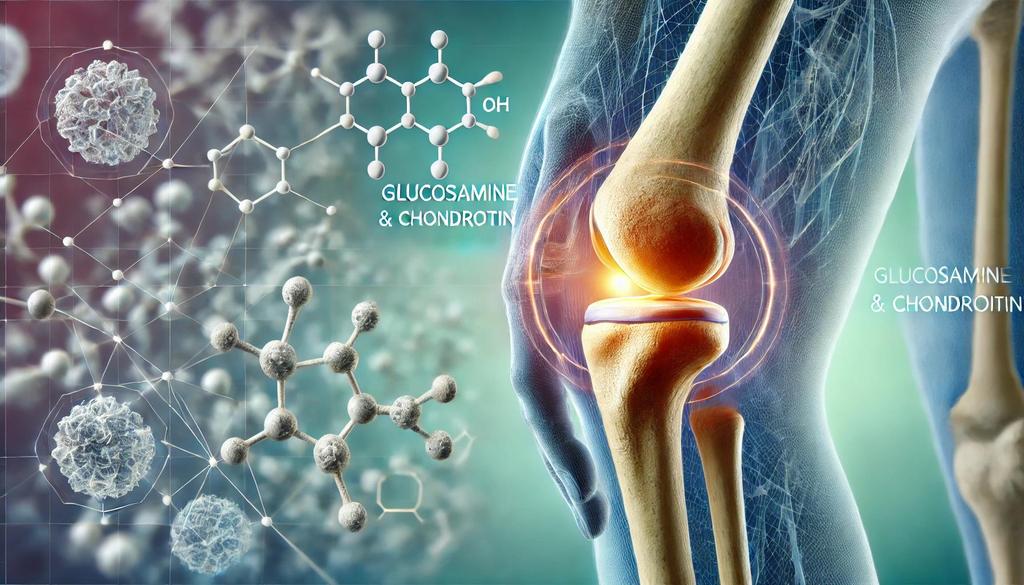
Understanding Glucosamine and Chondroitin
In the quest for improving joint health, two names frequently appear: glucosamine and chondroitin. These compounds have become cornerstone supplements in the fight against joint-related issues, especially for those dealing with osteoarthritis. But what exactly are these substances, and why are they important?
What Are Glucosamine and Chondroitin?
Glucosamine is a naturally occurring compound in our bodies. It’s a building block for cartilage, the rubbery material that cushions joints. Cartilage acts as a shock absorber during physical activities like walking or running, reducing friction between bones. As we age, our cartilage naturally deteriorates, which can lead to joint pain and conditions like osteoarthritis. Glucosamine is available in several forms, including glucosamine sulfate, glucosamine hydrochloride, and N-acetyl glucosamine.
Chondroitin is another essential component of cartilage. It helps retain water, providing cartilage with its elasticity and ability to absorb impacts. Much like glucosamine, chondroitin can be found in the joint and is often consumed as a dietary supplement, typically sourced from animal cartilage.
How Are These Supplements Used?
Glucosamine and chondroitin are often taken together in a supplement form to support joint health. They are popular among individuals with osteoarthritis and are believed to slow cartilage degradation and reduce pain and inflammation. However, it’s important to note that these supplements are not regulated by the FDA for medical use, which means their composition can vary widely between products.
The Science Behind Joint Health Benefits
The effectiveness of glucosamine and chondroitin has been a topic of considerable research, with mixed results. Some studies suggest that these supplements can provide modest pain relief and possibly slow joint degeneration, while others indicate no significant benefit over placebos.
Scientific Studies and Findings
Numerous studies have analyzed the impact of glucosamine and chondroitin on joint health, particularly in people with knee osteoarthritis. A 2018 meta-analysis revealed that while these supplements might reduce global pain slightly, the improvements weren’t always significant enough to be deemed meaningful. Conversely, some individual studies showed noticeable benefits, suggesting variability based on personal factors or supplement formulations.
Potential Benefits Beyond Pain Relief
Beyond managing pain, there’s interest in whether these supplements can affect the physical structure of joints. While some studies have suggested that glucosamine and chondroitin may slow cartilage breakdown, definitive proof remains elusive. This lack of consensus has led to differing guidelines worldwide regarding their recommendation for managing joint health.
Understanding the Mixed Evidence
Despite the mixed scientific outcomes, many users report personal benefits, leading them to continue using these supplements. This discrepancy may be due to varying study designs, biased reporting, or individual differences in supplement response.

Trends and Market Dynamics: Glucosamine and Chondroitin Supplements’ Impact on Joint Health
The rise of Glucosamine Chondroitin supplements reflects broader societal trends, including an increasing focus on preventive health and an aging population confronting joint-related ailments.
Market Growth and Economic Significance
The supplement market has seen significant growth, with projections suggesting continued expansion as the baby boomer generation ages. Global spending on joint health supplements like glucosamine and chondroitin is expected to increase notably by 2025, signaling their widespread acceptance despite ongoing debates about their efficacy.
Accessibility and Insurance Challenges
One key factor affecting the broader use of these supplements is insurance coverage—or the lack thereof. Most health insurance programs don’t cover supplements, which influences consumer decisions, particularly among those on fixed incomes.
Societal Impacts and Changing Demands
As awareness of joint health grows, so too does the demand for supplements. This shift drives innovation in formulation and distribution, with manufacturers exploring new ingredients and technologies to enhance product efficacy and consumer trust.
Educational Efforts and Public Awareness
To ensure consumers make informed choices, educational campaigns are paramount. These initiatives aim to improve public understanding of supplement use, safety, and potential interactions with medications.
Recent Innovations in Supplement Production
The world of supplements has seen remarkable advancements over the past few years, particularly in the production and development of glucosamine and chondroitin. As consumers seek more effective ways to maintain joint health, manufacturers have responded with innovative solutions.
Advancements in Formulation
One of the key innovations has been in the formulation of these supplements. Today, manufacturers are exploring ways to enhance the bioavailability of glucosamine and chondroitin, which means making them easier for the body to absorb. This shift is crucial because increased absorption rates can lead to better efficacy and improved outcomes for users. Techniques such as micronization, which involves breaking the compounds into smaller particles, and the use of delivery systems like liposomes are at the forefront of these efforts.
Quality and Purity Enhancements
Ensuring product quality and purity has become a priority. The push for higher standards has led to more stringent testing and verification processes. Companies are increasingly adopting third-party testing to verify that their products contain what they claim, without any harmful contaminants. This move is partly driven by consumer demand for transparency and partly by the increasing scrutiny of dietary supplements by health authorities.
Biotechnology’s Role in Development
Biotechnology is playing a transformative role in how glucosamine and chondroitin supplements are produced. Advances in genetic engineering and bio-fabrication techniques are helping manufacturers create more sustainable and possibly more potent forms of these supplements. For instance, biotechnology could allow for the production of glucosamine from non-animal sources, catering to vegetarian or vegan consumers and addressing sustainability concerns related to traditional production methods.

Socioeconomic Shifts Influencing Supplement Use
Changes in society and the economy are significantly affecting how and why people use joint health supplements like glucosamine and chondroitin. From an aging population to evolving healthcare dynamics, these shifts are shaping market trends and consumer behavior.
The Aging Population and Healthcare Challenges
As the population ages, particularly in developed nations, there is a growing focus on maintaining mobility and quality of life in later years. Joint pain and degeneration are common concerns among older adults, making supplements that promise support appealing. This demographic shift puts pressure on healthcare systems and emphasizes the importance of preventive health measures.
Rising Healthcare Costs
The cost of healthcare continues to rise globally, pushing individuals to seek cost-effective solutions for health maintenance. Supplements like glucosamine and chondroitin are often seen as economical alternatives or complements to more expensive medical treatments for joint issues. However, the lack of insurance coverage complicates accessibility for some consumers, influencing purchasing decisions and creating demand for more affordable options.
Educational Efforts and Consumer Awareness
Amid these shifts, educational campaigns are becoming increasingly vital. Public awareness initiatives aim to educate consumers about the potential benefits and limitations of supplements, helping them make informed decisions. Accurate information about dosage, interactions, and scientific backing (or lack thereof) empowers users to choose products that align with their health goals and personal needs.

Future Prospects and Overcoming Challenges in Glucosamine and Chondroitin Supplementation
Looking ahead, the landscape for glucosamine and chondroitin supplements is rife with possibilities and potential hurdles. Emerging research continues to explore new applications and investigates the efficacy of these supplements, promising exciting developments.
Emerging Research and Applications
Research is continually uncovering potential new uses for glucosamine and chondroitin beyond traditional joint health. Early studies are examining their effects on other chronic conditions, such as inflammatory bowel disease and even athletic performance recovery. While results are preliminary, they open up intriguing possibilities for these compounds’ roles in broader health contexts.
Challenges in Study Validity and Consistency
Despite the potential for newfound applications, the scientific community faces challenges regarding study validity and consistency. Variability in research outcomes often stems from differences in study designs, dosages, and formulations used. This inconsistency makes it difficult to draw firm conclusions and develop universal guidelines for supplement use.
Regulatory and Safety Concerns
Regulation remains a significant challenge in the supplement industry. Because glucosamine and chondroitin are marketed as dietary supplements in many regions, they don’t undergo the rigorous testing that pharmaceutical drugs do. This can lead to variations in quality and raises questions about ingredient authenticity and safety. Addressing these regulatory challenges is critical to ensuring consumer trust and safeguarding public health.
The Path Forward for Consumers and Producers
As science evolves, both consumers and supplement producers must navigate these challenges. Continuous education, transparent marketing, and commitment to research integrity will be essential in unlocking the full potential of glucosamine and chondroitin in a changing world.

Strategies for Optimizing Joint Health: The Evolving Role of Glucosamine and Chondroitin
Maintaining healthy joints is crucial for active and healthy living, especially as we age. Glucosamine and chondroitin have emerged as significant players in the arena of joint health, offering potential benefits that align with our preventive health goals. Despite ongoing debates over their efficacy, these supplements remain a popular choice for many seeking to manage or alleviate joint discomfort.
The road ahead for glucosamine and chondroitin is filled with possibilities—from technological innovations that enhance their efficacy to exploring new therapeutic applications. However, challenges persist, primarily concerning the consistency of scientific research and the regulatory oversight of supplement quality. As consumers become more informed, there’s a greater demand for transparent and trustworthy information to guide health decisions.
Looking forward, the integration of these supplements within a holistic approach to health, which includes diet, exercise, and medical oversight, could amplify their benefits and help individuals lead fulfilling lives. Encouraging more rigorous research and clearer regulations can pave the way for these compounds to achieve their full potential as key contributors to our collective health and well-being.
In a world that continues to emphasize the importance of health and wellness, glucosamine and chondroitin hold a promising place, highlighting the ongoing quest to improve joint health through both time-tested and innovative approaches.


