
Have you ever found yourself hobbling around, limited by the discomfort of knee pain? It can be frustrating and debilitating. But there’s hope. With the right strategies, you can alleviate knee pain and regain your mobility.
This article will provide you with valuable tips and techniques for effectively managing knee pain. Our focus will be on lifestyle changes, targeted exercises, and potential medical interventions. By the end of this exploration, you will gain a thorough understanding of how to enhance your quality of life while addressing knee discomfort.
1. Exercise Regularly
Regular exercise plays a vital role in managing knee pain. However, it is essential to select activities that are appropriate for your condition. Choosing the right exercises can help alleviate discomfort while promoting overall joint health. Low-impact exercises, such as swimming, cycling, and walking, are excellent options because they strengthen the muscles around your knee without putting excessive stress on the joint.
Incorporating stretching into your exercise program can enhance flexibility and reduce stiffness. Focus on stretches that target the quadriceps, hamstrings, and calves to keep your knees limber and less prone to pain.
2. Partial Knee Replacement Surgery
For those experiencing chronic knee pain from osteoarthritis or other degenerative joint diseases, a partial knee replacement procedure may offer a viable solution. This procedure differs from a total knee replacement; it focuses on replacing only the damaged section of the knee. By preserving more of the natural knee structure, patients may experience improved function and recovery. Partial knee replacement is typically recommended when the damage is limited to a specific compartment of the knee.
In some cases, lower limb pain, including ankle discomfort, may be linked to other health conditions like piles or hemorrhoids, which can affect overall mobility. Exploring additional treatment options, such as consulting with a piles specialist in Singapore that residents trust, may help address underlying causes and provide comprehensive relief.
3. Weight Management
Maintaining a healthy weight is vital for reducing the strain on your knees. Following a balanced diet rich in fruits, vegetables, lean proteins, and whole grains can help you manage your weight effectively. Alongside a healthy diet, practicing portion control can prevent gradual weight gain, which can worsen knee problems over time. Keeping your weight in check not only alleviates stress on your knees but also contributes to your overall well-being.
4. Use Proper Footwear
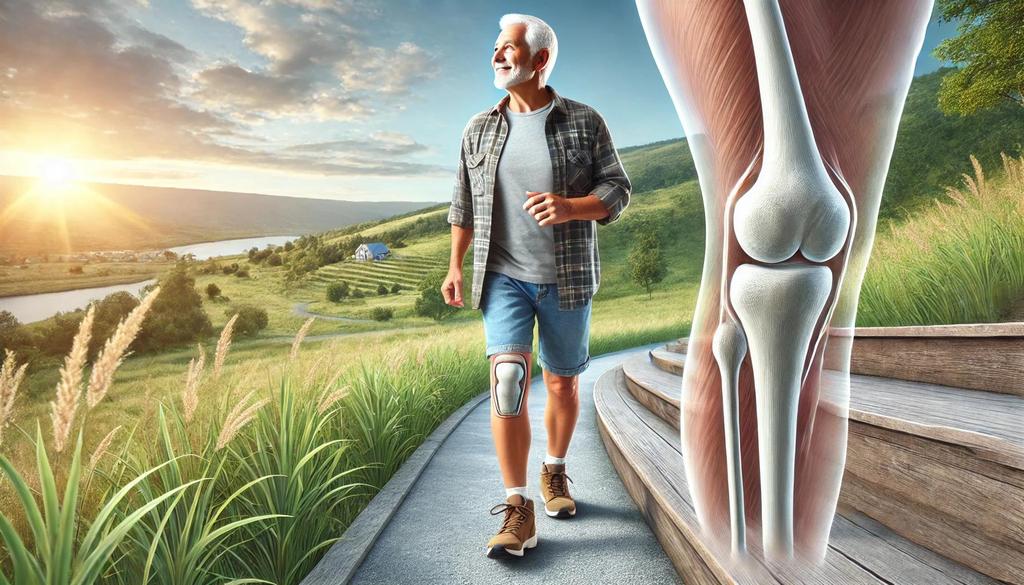
The type of shoes you wear can have a significant effect on knee pain. Supportive footwear that offers good arch support and sufficient cushioning can help lessen the strain on your knees during daily activities. It is advisable to avoid high heels and shoes that do not provide proper support, as they can worsen knee discomfort. Prioritizing appropriate footwear is a straightforward yet effective strategy for managing knee pain.
5. Apply Cold or Heat Therapy
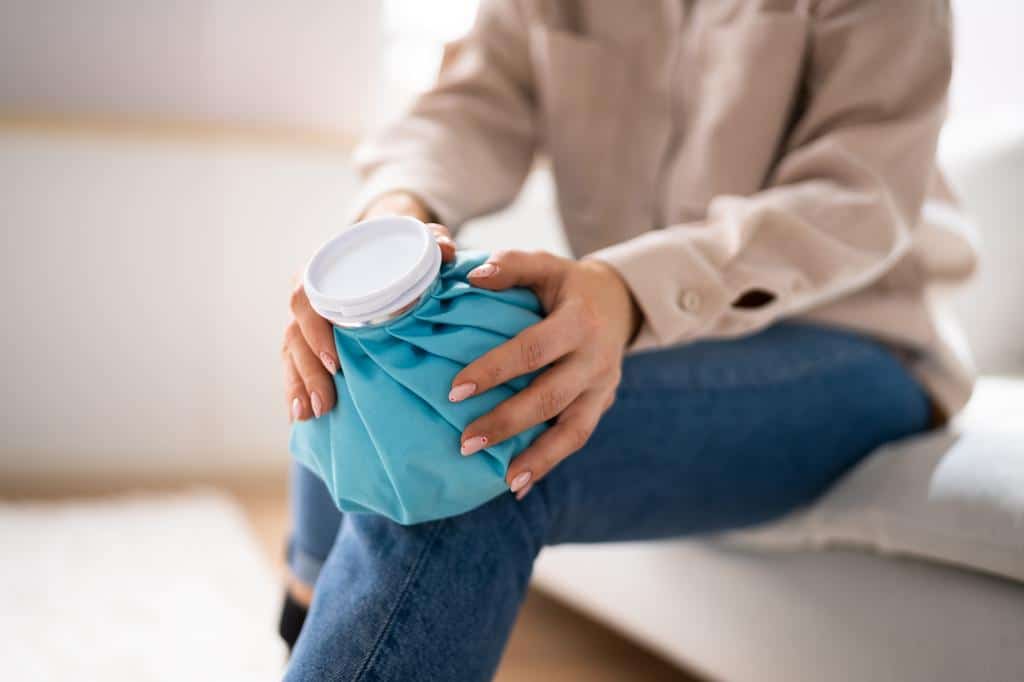
Cold and heat therapy can be valuable tools in managing knee injuries and pain. Using cold therapy with an ice pack can effectively reduce inflammation and numb pain, especially after physical activity. Conversely, heat therapy, which includes warm compresses or heating pads, can help relax tight tissues and enhance blood flow to the affected area. Alternating between cold and heat therapy can offer well-rounded relief tailored to your specific needs.
6. Over-the-Counter Medications
Over-the-counter medications, such as nonsteroidal anti-inflammatory drugs (NSAIDs) like ibuprofen, can effectively reduce pain and inflammation. These medications are particularly useful during flare-ups of knee pain. However, it is crucial to adhere to the recommended dosage. Additionally, if you find yourself relying on these medications frequently, consulting with a doctor is advisable to ensure appropriate management of your pain.
7. Physical Therapy
Physical therapy is an effective approach for managing knee pain. A physical therapist can create a personalized exercise plan that addresses your individual needs. This plan will focus on strengthening the muscles surrounding your knee, enhancing flexibility, and reducing pain. In addition to prescribed exercises, physical therapists may also employ manual therapy techniques like massage and joint mobilization to relieve discomfort and enhance mobility.
8. Knee Support
Using knee support devices like braces or compression sleeves can provide extra stability and reduce pain during physical activities. These supports help by offering additional strength and preventing further injury to the knee. Wearing knee braces or sleeves is a practical approach for those experiencing knee pain during activities like walking or exercising.
9. Posture and Alignment
Maintaining proper posture and alignment when sitting, standing, and walking can significantly reduce unnecessary strain on your knees and spine. It is essential to create an ergonomically friendly work environment, especially if you spend long hours sitting. Your chair should be adjusted to a height that enables your feet to rest flat on the ground while keeping your knees bent at a 90-degree angle. Maintaining good posture and proper alignment is vital for managing knee pain and preventing additional discomfort.
10. Dietary Supplements
Some people find pain relief by taking dietary supplements like glucosamine and chondroitin, which are thought to support knee joint health. Consulting with a healthcare provider is crucial before beginning any new supplements. This step ensures that the supplements are suitable for your specific medical condition. While they may not be the right solution for everyone, supplements can be a beneficial component of your pain management plan if recommended by a qualified professional.
11. Mind-Body Techniques
Mind-body techniques, including yoga, meditation, and deep breathing exercises, can effectively reduce overall stress levels. Lowering stress may indirectly help in managing knee pain. By alleviating stress, you can decrease some of the tension that contributes to discomfort. Incorporating these practices into your daily routine can improve both your physical and mental well-being, making it easier to manage knee pain.
12. Consider Professional Help
If your knee pain continues despite your efforts with self-management strategies, it is important to consult a healthcare provider. Regular check-ups allow for a comprehensive evaluation of your medical condition. Depending on your needs, you may explore options such as injections, advanced therapies, or surgery. Seeking professional assistance ensures that you have a clear understanding of the most suitable and effective treatment options for your specific knee pain.
If you are specifically trying to avoid surgery, it is worth knowing about genicular artery embolization, a minimally invasive procedure that blocks the blood vessels feeding inflammation in an arthritic knee rather than replacing the joint. It requires only a small incision in the groin and most people go home the same day, though controlled trials have so far failed to show it outperforming a convincing placebo, and NICE in the UK recommends it only be used in research.

Managing Knee Pain: Strategies for Improved Comfort and Mobility
Managing knee pain necessitates a comprehensive approach that considers both physical and lifestyle factors. By implementing the strategies outlined in this article, you can enhance your comfort and overall quality of life. With dedication, consistency, and the right methods, it is possible to effectively manage knee pain and restore your mobility.
It’s important to remember that everyone’s experience with knee pain is unique, so adjustments to your strategies may be necessary. Staying informed about new therapies and treatments can empower you to make the best decisions for your health. Ultimately, prioritizing your well-being and being proactive in your management plan will lead to better outcomes and a more fulfilling, active life.


