
For years, the monthly report was the heartbeat of most businesses. Someone gathered figures from several systems, pasted them into a spreadsheet, added a few charts, and sent it round before a meeting. That routine still exists, but it is quietly being replaced. AI-powered insight tools now read the same data continuously, flag what has changed, and explain it in plain language.
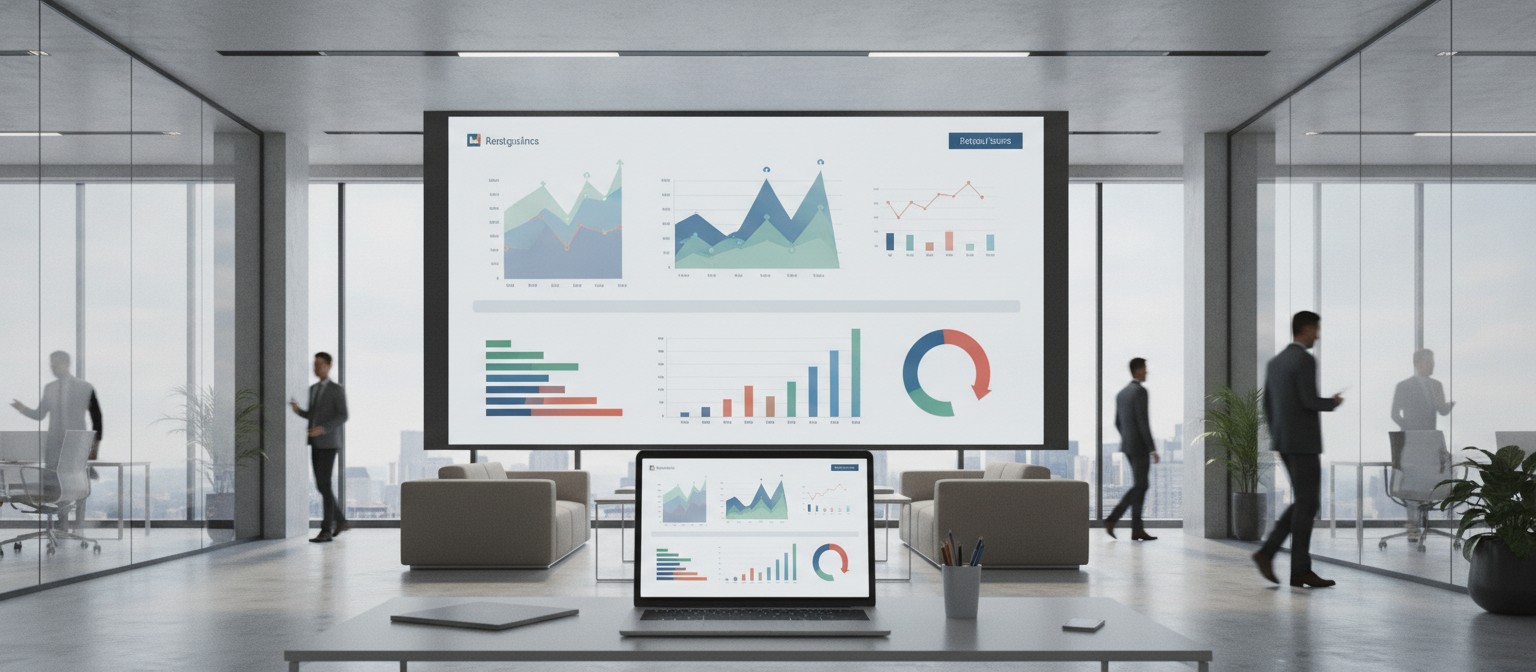
What a Traditional Report Actually Does
A traditional report is a snapshot. It describes what happened over a fixed period in a format everyone has learned to read, which gives teams a shared reference point for discussion.
The weakness is timing. By the time figures have been exported, checked, and shared, the situation may already have moved on. A campaign that started underperforming in week one might not be spotted until the month-end summary lands, by which point the budget has been spent.
What Changes When AI Joins the Process
AI-powered reporting works differently in three main ways.
First, it connects directly to data sources and refreshes automatically. Instead of a person pulling exports from each system, the figures arrive in one reconciled view, updated as new data comes in.
Second, it looks for patterns rather than waiting to be asked. Anomaly detection, which simply means spotting figures that behave unusually compared with their normal range, can highlight a sudden drop in conversions or an unexpected jump in costs within hours.
Third, it explains as well as displays. Natural language summaries turn a dashboard into a short written account of what changed, why it might have happened, and which areas deserve a closer look.
None of this removes the need for human judgment. Frameworks such as NIST’s guidance on trustworthy AI stress that oversight remains essential. It removes the friction that stopped people from applying that judgement quickly.
Where the Shift Is Most Visible: Marketing Performance
Marketing is one of the clearest examples of why the old model struggles. A typical campaign might run across paid search, paid social, email, and organic channels at the same time. Each platform has its own dashboard, its own definitions, and its own way of counting a conversion. Comparing them fairly by hand can take hours, and small differences in attribution can lead teams to very different conclusions.
This is where many marketing teams have started to lean on an AI reporting tool that brings spend, conversions, and return on ad spend from every channel into a single view. When every channel is measured against the same standard, investment conversations become calmer and more focused.
The same principle applies to finance, operations, and sales. Wherever data lives in several places, combining it automatically is usually the first and most valuable step.
Does This Mean the End of the Written Report?
Not quite. Structured reports still matter for board meetings, regulatory requirements, and long-term planning, where a fixed snapshot is exactly what people need. What is changing is how those reports are prepared. Rather than being built from scratch, they increasingly draw on insights that have already been gathered, checked, and summarized throughout the period.
For teams facing a pile of lengthy documents before a meeting, there are also practical techniques for turning a stack of lengthy reports into a source checked brief, which keeps the evidence traceable while cutting preparation time.
How Teams Can Make the Transition Smoothly
Moving from static reports to AI-powered insights works best as a gradual change rather than a sudden switch. A few habits help.
- Start with a question, not a dashboard. Decide what the business genuinely needs to know, such as which channels bring in profitable customers, and build from there.
- Agree on a small set of core metrics. A handful of trusted measures beats dozens of figures that nobody fully understands.
- Check the data before trusting the summary. AI explanations are only as reliable as the information underneath them, so clean, consistent sources come first.
- Keep a human in the loop. Automated insights can show that something changed. People are still best placed to judge whether it matters and what to do next.
Teams that follow these steps often find that meetings become shorter and more productive, because less time goes on debating the figures and more on agreeing on actions. When insights are available to everyone, not just the analyst who built the spreadsheet, more people also feel confident asking questions of the data.

What Changed and What Did Not
What changed: data no longer needs to be assembled by hand before anyone can learn from it. AI tools can combine sources, flag unusual movements, and explain them in everyday language, often within hours rather than weeks. Reporting has moved from a backward-looking chore to an ongoing source of guidance.
What did not: good decisions still depend on good questions, reliable data, and thoughtful people. The goal of reporting was always to help a business act with confidence. AI brings that goal closer, giving teams more time to focus on what the numbers mean and less time spent preparing them.


