
In any business, managing costs is crucial for long-term success. One area that often receives less attention but offers substantial savings is insurance. Insurance premiums, especially workers’ compensation and liability insurance, can be significant business expenses. Health and safety training programs play a vital role in reducing these costs by creating a safer workplace and reducing the likelihood of accidents. We will explore how investing in health and safety training can lower insurance premiums and provide other financial benefits to a business.
Understanding the Impact of Health and Safety Training on Insurance Costs
1. Reduced Claims Resulting in Lower Premiums
Accidents in the workplace can lead to expensive insurance claims, which directly impact the cost of premiums. For instance, when an employee is injured, the company may have to cover medical expenses, lost wages, and even legal fees, depending on the severity of the injury. These claims are not only financially draining but can also lead to higher premiums in the future.
By enrolling staff in a health and safety course in Toronto, businesses can drastically reduce the number of accidents and injuries, thereby minimizing the need to file claims. Fewer claims mean lower premiums, as insurance providers recognize that businesses with fewer incidents are less risky to insure. By preventing accidents through comprehensive training, employers can reduce direct and indirect costs associated with workplace injuries.
2. Proactive Risk Management and Preventative Measures
Rather than reacting to accidents after they occur, businesses that invest in health and safety training take a proactive approach to risk management. These companies identify potential hazards before they lead to incidents, allowing preventative measures to be implemented. For example, employees might be trained to recognize unsafe work conditions, handle hazardous materials safely, or use equipment correctly to avoid accidents.
A proactive approach to safety management reduces the likelihood of accidents and shows insurers that the business is actively mitigating risks. Insurance providers often reward businesses that demonstrate a proactive commitment to safety by offering lower premiums. This can lead to significant savings in the long run, especially for companies in high-risk industries.
3. Regulatory Compliance and Avoiding Fines
In many industries, businesses are required by law to adhere to specific health and safety regulations. Failing to comply with these regulations can result in costly fines, legal fees, and an increased likelihood of accidents. Health and safety training ensures that employees understand and follow these regulations, reducing the risk of violations. When a company is compliant with health and safety laws, it lowers the risk of fines and penalties.
This protects the business financially and reduces the risk profile from the perspective of insurance companies. Businesses that comply with regulatory standards are often rewarded with lower premiums, as they pose a lower risk of accidents and legal claims.
4. Fewer Work-Related Injuries and Improved Employee Morale
Workplace injuries can have a profound impact on employee morale. Injuries often lead to stress, absenteeism, and decreased productivity. Employees who feel that their safety is not a priority are more likely to leave the company, leading to high turnover rates and additional recruitment costs. Health and safety training, on the other hand, can improve employee morale by making workers feel safer and more valued.
When employees are trained on proper safety protocols and provided with the tools to stay safe, they are likelier to remain with the company long-term. A safer work environment leads to fewer injuries and less turnover, resulting in lower costs for the business, including reduced workers’ compensation claims and recruitment expenses.
5. Tailored Safety Programs and Industry-Specific Needs
Every workplace is unique, and the risks employees face vary depending on the industry and the nature of the work. Businesses that tailor their health and safety training programs to address industry-specific hazards are more likely to reduce accidents and improve safety outcomes. For instance, a construction company may focus on fall protection and equipment safety, while a manufacturing plant may need to focus on machine safety and hazard communication.
Businesses can significantly reduce accidents and injuries by addressing the specific risks employees encounter in their work environment. Tailoring training programs also demonstrates to insurance companies that the business is dedicated to managing its unique risks, which can lead to lower insurance premiums. A customized health and safety training approach can be a key factor in lowering overall insurance costs.
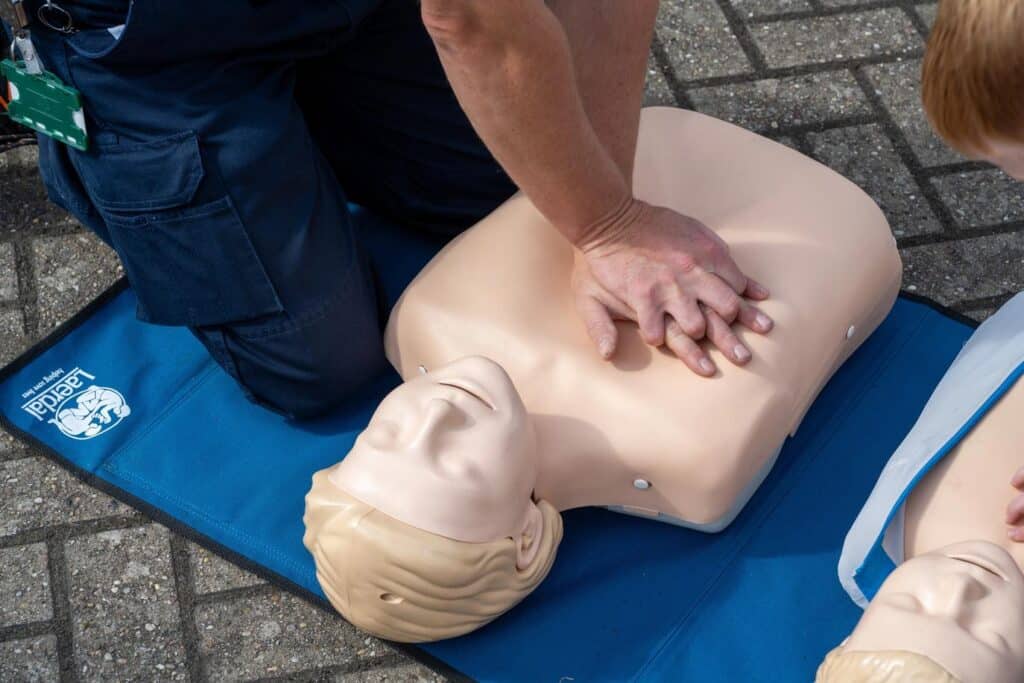
Health and safety training is more than just a compliance measure; it is a strategic investment that can significantly reduce insurance costs and provide long-term financial benefits. Businesses can lower their insurance premiums by reducing workplace accidents, claims, and legal liabilities while also improving employee morale, retention, and productivity. Proactive risk management, regulatory compliance, and industry-specific safety programs all play a crucial role in minimizing the risk of accidents and reducing overall costs.


