
Hearing is one of our most vital senses, enabling us to connect with the world around us. However, hearing loss is more common than you might think, and it can significantly impact the quality of life. The good news is that recognizing the early signs of hearing loss and taking prompt action can help prevent further deterioration and enhance your overall well-being. In this blog, we will explore the early signs of hearing loss, the impact it can have on your life, and what you can do to address this issue effectively.
Understanding Hearing Loss
Before delving into the early signs of hearing loss, it’s crucial to have a basic understanding of how hearing works. Sound is transmitted through the ear, where it passes through the outer, middle, and inner ear before reaching the brain as electrical signals. Any disruption in this process can result in hearing loss. There are two primary types of hearing loss: sensorineural (caused by damage to the inner ear or auditory nerve) and conductive (caused by issues in the outer or middle ear). Hearing loss can occur due to various factors, including aging, noise exposure, genetics, infections, and certain medications.
Early Signs of Hearing Loss
- Difficulty in hearing conversations in noisy environments: One of the earliest signs of hearing loss is struggling to hear and understand conversations, especially in crowded or noisy places. If you frequently ask people to repeat themselves in such settings, it may indicate a problem with your hearing.
- Frequently asking people to repeat themselves: Do you often ask friends and family to repeat what they’ve said, even in quiet environments? If so, it might be a sign of hearing loss. This can be frustrating for both you and those around you.
- Turning up the volume on electronic devices: Another common sign is the need to turn up the volume on the television, radio, or electronic devices much higher than before. If others comment on how loud your devices are, it’s time to consider the possibility of hearing loss.
- Feeling fatigued or stressed after social interactions: Straining to hear and follow conversations can be mentally exhausting. Individuals with hearing loss may experience fatigue and stress after social interactions, leading to withdrawal from social activities.
- Tinnitus (ringing in the ears): Tinnitus is the perception of a ringing, buzzing, or hissing sound in the ears when there is no external source of that sound. It often accompanies hearing loss and can indicate an underlying issue.
- Changes in the ability to hear high-pitched sounds: Difficulty hearing high-pitched sounds, such as a doorbell or birds singing, is another potential sign of hearing loss. This can lead to a partial loss of richness in the auditory experience.
It’s important to note that the early signs of hearing loss can vary from person to person. If you or someone you know is experiencing any of these signs, it’s advisable to seek professional evaluation.
Recognizing Hearing Loss in Children
Recognizing hearing loss in children is a critical concern for parents and caregivers. Early identification is essential to ensure that children receive the necessary support and intervention for their development. Parents should monitor important hearing milestones in infants, such as their response to sounds or turning their heads toward voices. Signs of hearing loss in children and toddlers may include delayed speech and language development, inattention, or difficulty following directions. Parents must remain attentive to these signs and, if any concerns arise, seek prompt evaluation by a pediatric audiologist who specializes in diagnosing and addressing hearing issues in children. Early intervention can significantly impact a child’s overall development and future quality of life.
Exploring Hearing Aid Options
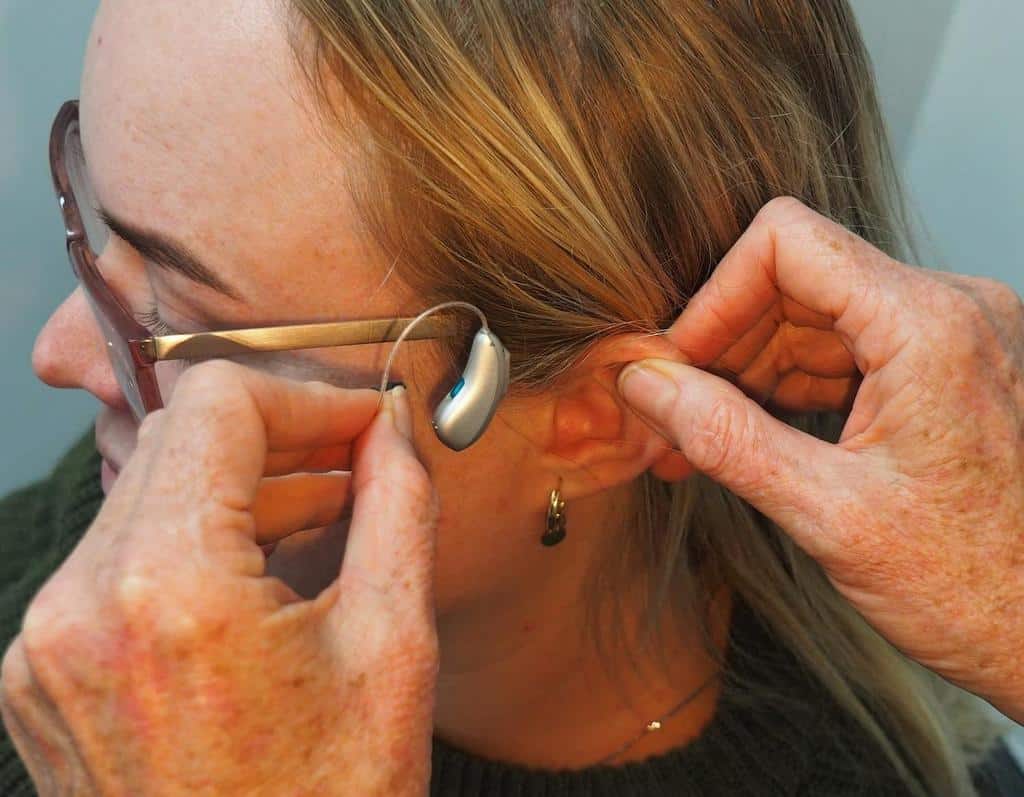
When addressing hearing loss, several treatment options are available, with hearing aids being one of the most common choices. Hearing aids come in various styles and technologies, catering to different degrees of hearing impairment. Their effectiveness in improving one’s hearing experience is well-documented. It’s essential to consider hearing aid prices as they can vary significantly based on the style and features you choose. While pricing is a factor to consider, the potential benefits of enhanced communication and quality of life often outweigh the cost. Consulting with a qualified audiologist can help you make an informed decision about the most suitable hearing aids within your budget and tailored to your specific hearing needs.
Seeking Professional Help
Seeking professional help is a crucial step when addressing hearing loss. If you or someone you know is exhibiting signs of hearing impairment, scheduling a hearing evaluation with a qualified hearing healthcare professional, such as an audiologist or an ear, nose, and throat specialist, is paramount. These experts can perform diagnostic tests and assessments to determine the type and degree of hearing loss accurately. They can provide valuable insights into available treatment options, including hearing aids. Consulting with professionals who specialize in hearing health ensures that you receive the most appropriate guidance and interventions to address your specific hearing needs, allowing you to regain the quality of life you deserve.
The Impact of Untreated Hearing Loss
The impact of untreated hearing loss extends beyond difficulties in hearing and can have profound consequences. Socially and emotionally, untreated hearing loss may lead to feelings of isolation and frustration, straining relationships, and diminishing overall quality of life. There is also evidence of a link between untreated hearing loss and cognitive decline, potentially increasing the risk of conditions like dementia. Additionally, untreated hearing loss can contribute to depression and anxiety. Safety is another concern, as individuals with untreated hearing loss may struggle to hear important auditory cues, potentially jeopardizing personal safety. Addressing hearing loss promptly is crucial to mitigate these consequences and improve overall well-being.
Preventing Hearing Loss
Preventing hearing loss is a proactive approach that can help preserve your hearing health. Strategies to prevent hearing loss include using hearing protection, such as earplugs or earmuffs, in noisy environments like concerts and construction sites. Safe listening practices with headphones and earbuds, which involve keeping the volume at a safe level, can protect your hearing during recreational activities. Regular hearing check-ups and screenings should become a routine part of your healthcare to detect any issues early. Preventive measures not only safeguard your hearing but also contribute to long-term well-being and quality of life.
Coping Strategies and Support
Living with hearing loss can be manageable and fulfilling with the right strategies and support in place. That being said, coping with hearing loss often requires implementing effective strategies and a strong support system. Effective communication techniques, like maintaining eye contact and using clear and concise speech, can improve interactions for individuals with hearing loss. Support groups and resources are valuable for connecting with others facing similar challenges, providing a sense of community and insights. Family and friends play a crucial role in providing emotional support, with patience, empathy, and understanding are essential when interacting with someone experiencing hearing challenges. Building a network of support and implementing effective coping strategies can significantly enhance the quality of life for those living with hearing loss.
Recognizing the early signs of hearing loss and taking proactive steps is crucial to maintaining a high quality of life. Hearing is not just about the sounds around us; it’s about staying connected to loved ones, enjoying music, and understanding the world. Whether you’re concerned about your own hearing or that of a loved one, remember that early intervention can make a significant difference. Seek professional help, explore the available treatment options, and, above all, prioritize your hearing health. Your journey to better hearing starts with recognizing the signs and taking action.


