
In a groundbreaking discovery, scientists have identified a crucial immune molecule, known as Interleukin-17A (IL-17A), that plays a pivotal role in regulating our body’s metabolism. This insight not only sheds light on the intricate dance between our immune system and metabolic processes but also highlights a fascinating link with our body’s internal clock—a rhythm that operates like an orchestra, coordinating various biological functions on a 24-hour cycle.
The implications of this discovery are vast. As modern life pushes us to adopt irregular work hours and dive into digital screens well past sunset, understanding how our body’s natural rhythms interact with immune functions becomes increasingly important. Conducted at Trinity College Dublin, this groundbreaking research highlights the intricate dance between our immune system and circadian rhythms, paving the way for innovative health solutions. This research paves the way for potentially revolutionary treatments for obesity and metabolic disorders, particularly for individuals who frequently experience disruptions to their natural rhythms.
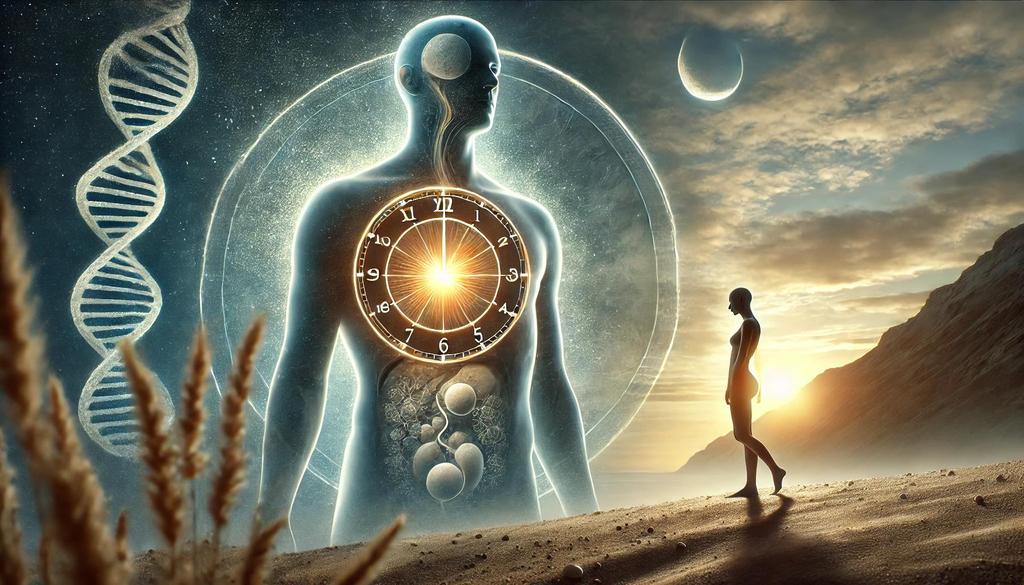
Understanding Circadian Rhythms and Metabolism
What Are Circadian Rhythms?
Circadian rhythms function as our body’s internal clock, synchronizing various processes at specific times throughout the day. Think of them as a finely-tuned schedule for your body, influencing when you feel sleepy, hungry, or when your body temperature dips. The most obvious example is the sleep-wake cycle, which aligns our sleep patterns with day and night.
In this orchestra of daily rhythms, our immune system also plays a key role, gearing up to fend off infections during specific times of the day. But there’s more—recent findings show that certain immune cells, particularly γδ T cells, contain what are called “molecular clock” genes. These genes help manage how our body processes and stores fat, crucially supporting a healthy metabolism.
The Role of IL-17A in Fat Regulation
The star player, IL-17A, is a molecule secreted by these immune cells within our fat tissues. It acts like a conductor guiding the metabolism orchestra, ensuring that fat storage and energy use are precisely timed according to our circadian rhythms. Without this coordination, our bodily functions could fall out of sync, much like an orchestra without a conductor, leading to health issues such as obesity.
Disruptions in Modern Lifestyles
Impact of Irregular Daily Routines
In today’s fast-paced world, it’s all too easy for our internal clocks to go haywire. Whether it’s staying up late due to shift work or endlessly scrolling through social media, these lifestyle choices can lead to serious metabolic disruptions. This desynchronization can make us prone to obesity and other metabolic disorders as our circadian rhythms lose their natural balance.
Consequences of Circadian Disruption
Interfering with our body’s rhythmic harmony not only disrupts our sleep patterns but also impacts our health at a cellular level. It can fundamentally alter the intricate interaction between our circadian rhythms and immune functions, making it challenging for the body to maintain homeostasis, or a stable internal environment.
By understanding and nurturing our natural rhythms, we can pave the way to healthier lives, potentially preventing a range of metabolic disorders that are becoming increasingly common in our society.
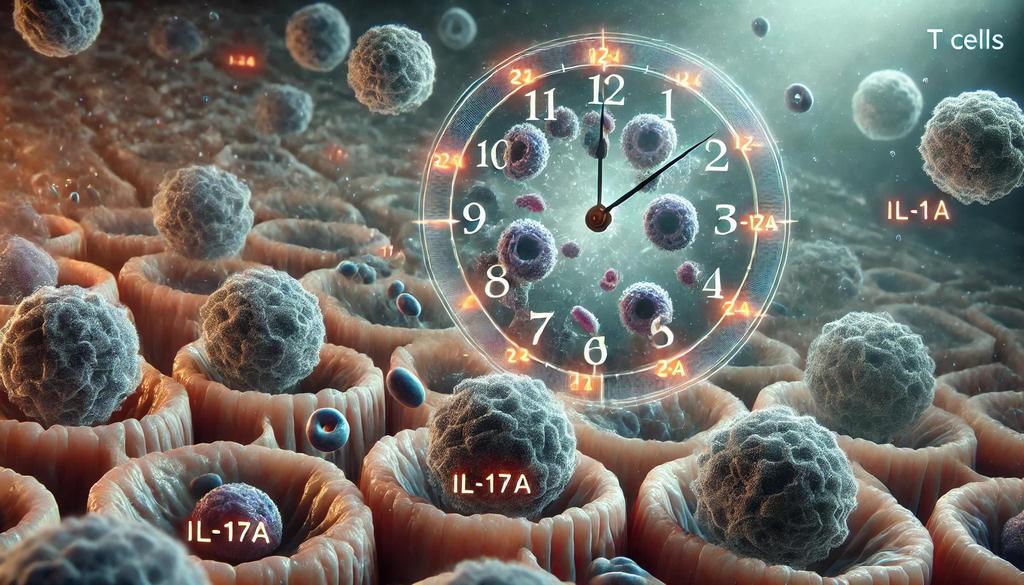
Mechanisms of Circadian Control
Molecular Clock Genes and T Cells
The mechanics behind our body’s circadian control are incredibly sophisticated, governed largely by molecular clock genes embedded in our cells. Specific immune cells called γδ T cells, residing in our fat tissue, house these clock genes. These genes don’t just tick along passively; they actively regulate critical bodily processes like fat storage by producing IL-17A, a molecule that orchestrates these functions throughout the day.
Think of it like this: these T cells act as timekeepers, setting the pace for when and how energy is stored or burned. When everything is in harmony, our body functions optimally. However, research highlights that in mice missing these clock genes, metabolic chaos can ensue—evident in disrupted fat processes and irregular body temperatures. It underscores how crucial these tiny cellular timekeepers are in maintaining balance.
Experimental Evidence and Findings
Through meticulous experiments, scientists have observed how these circadian rhythms dictate the ebb and flow of IL-17A production, especially during feeding times. When IL-17A levels oscillate in sync with the body’s natural rhythm, they maintain a healthy metabolic state. This rhythmic production is not just a neat biological trick—it’s vital for our survival.
By understanding these mechanisms, researchers are laying the groundwork for future therapies. The experiments reveal much about how our body’s clocks work, opening avenues to tweak these natural rhythms to our advantage, particularly when they go astray due to lifestyle factors.
Future Therapeutic Possibilities
Targeting IL-17A for Metabolic Health
Imagine a world where obesity and metabolic disorders could be managed or even prevented by simply realigning our immune system’s natural rhythm. Targeting IL-17A offers a promising path to this reality. By developing drugs that modify IL-17A’s activity, scientists hope to counteract the negative effects of rhythm disturbances often seen in modern life.
Personalized treatments could help those most affected by rhythm disruptions—such as shift workers or people frequently exposed to irregular light patterns—maintain metabolic health by harnessing these insights. These strategies have the potential to significantly reduce the societal burden of obesity-related illnesses.
Prospects for Broader Health Impacts
The ramifications of this research stretch beyond just metabolic health. Scientists are keenly interested in the role these clock genes and molecules might play in other health domains, such as cognitive function or even psychological well-being. For instance, T cells in the brain could potentially influence learning, memory, or mood, indicating a fascinating bridge between metabolism and mental health.
As researchers dig deeper, the potential to innovate in areas previously unseen is vast. The integration of immune, metabolic, and neurological health illustrates the interconnectedness of our body’s systems, each rhythmically beating in tune with the others.
How IL-17A and Circadian Rhythms Revolutionize Metabolic Health Management
The discovery of how IL-17A and circadian rhythms influence our metabolism is a monumental stride in understanding the symphony that is our health. As modern lifestyles increasingly disrupt our natural clocks, this research not only clarifies the biological roots of these disruptions but also illuminates pathways for potential therapies that could realign our body’s natural tempo.
Empowering individuals with knowledge and tools to maintain their circadian health could revolutionize how society tackles prevalent issues like obesity and metabolic diseases. With continued research and public awareness, aligning our lives with these natural rhythms could lead to healthier, happier lives.


