
This past Sunday, environmental leaders from India and Norway agreed to work in a joint effort to alleviate the global pollution crisis, with the main focus to be marine plastic litter and microplastics.
The announcement came from the Convention on Migratory Species that was held in Gandhinagar. Norway’s Environment Minister of Climate and Environment, Sveinung Rotevan, and India’s Environment Minister, Prakash Javadekar, agreed it was “mutually beneficial” to strengthen their relationship and help the environment, with an emphasis on the world’s oceans.
The environmental leaders agree the key to meeting many of the 2030 Agenda for Sustainable Development Goals outlined by the United Nations (UN) is taking better care of our seas. These goals are an urgent call to action for all nations to become more involved in a global partnership.
This meeting was set forward in 2019 when the two countries Prime Ministers, Narendra Damodardas Modi and Erna Solberg, established an India-Norway Ocean Dialogue and a Joint Task Force on Blue Economy for Sustainable Development.
To open the meeting, Marianne Hagen, the Norwegian State Secretary at the Ministry of Foreign Affairs, issued a statement which included the following:
In partnership, we will share experiences and knowledge. We will work together to develop clean and healthy oceans, and ensure sustainable use of ocean resources and growth in the blue economy.
Together with the Indian Government, I will launch the first joint initiative under this new partnership during my stay here in India. This initiative aims to combat one of the fastest growing environmental concerns – marine pollution.
Rotevan and Javadekar stressed the importance of coming up with scalable, concrete solutions for “ocean health and wealth” at the upcoming UN Ocean Conference in Lisbon, Portugal in June.
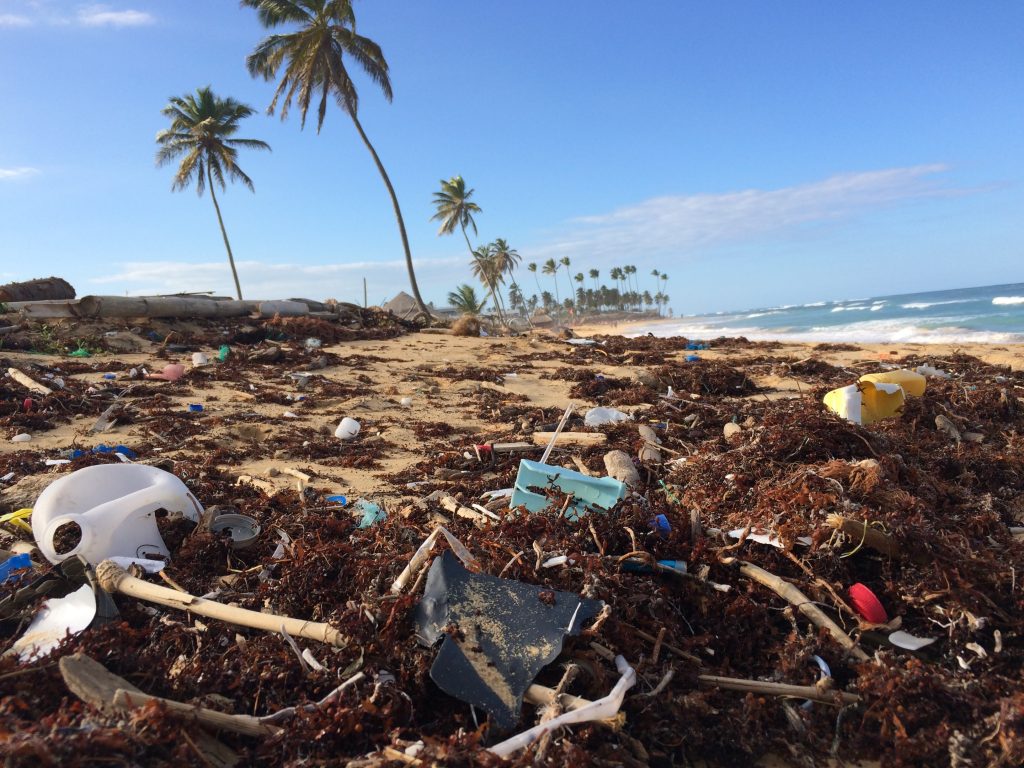
A growing problem in our seas is plastic pollution, which contributes to microplastics. These two issues were at the forefront of the conversation. Environmental Ministers from both countries stressed it’s essential countries work together to combat these issues.
Here are a few facts about ocean plastics from noplasticwaste.org
- We have as many as 51 trillion microplastic particles in our oceans and seas. That’s 500 times more than the number of stars in our galaxy!
- At our current rate, in 5 years for every 3 tons of fish, there will be 1 ton of plastic.
I included these facts to highlight just how important it is to have a combined effort between leaders around the world. The Norwegian and Indian ministers also talked about the possibility of having a new global agreement on plastic pollution.
Also talked about was:
- The need to act more aggressively in the reduction of carbon emissions and address air pollution.
- The phasing down of hydrofluorocarbons or chemical cooling agents.
- Having continued discussions about deforestation and promoting small businesses from outside the deforestation supply chain.
- Promoting global involvement with other world and environmental leaders to have a strong, ambitious, practical approach to these issues heading into COP15 of Convention on Bio-diversity to be held in Kunming, China later this year.
Hopefully, these continued talks between the countries will encourage others to get involved and work together. Imagine how quickly we could rectify these problems if leaders from around the world along with top scientists worked together.


