
Spinal stenosis is not a pleasant condition for anyone to experience. There are two kinds of stenosis that people often confuse with each other, but there are some crucial differences between the two. So what are the actual differences between lumbar spinal stenosis and cervical spinal stenosis, and what can you do to treat them?
The Basic Differences
Before learning about the differences between lumbar and cervical stenosis, it’s essential to ask, “What is stenosis?” The general definition of stenosis is when the space inside the backbone is too small.
Lumbar stenosis takes place in the lower back. The spinal nerve roots are compressed. It is the most common cause of sciatica, where pressure is placed on the sciatic nerve, which runs from the pelvis down the back of the thigh.
Cervical stenosis occurs in the neck and is much more dangerous since pressure is placed on the spinal cord. Cervical stenosis has much more severe symptoms, such as major body weakness and paralysis.
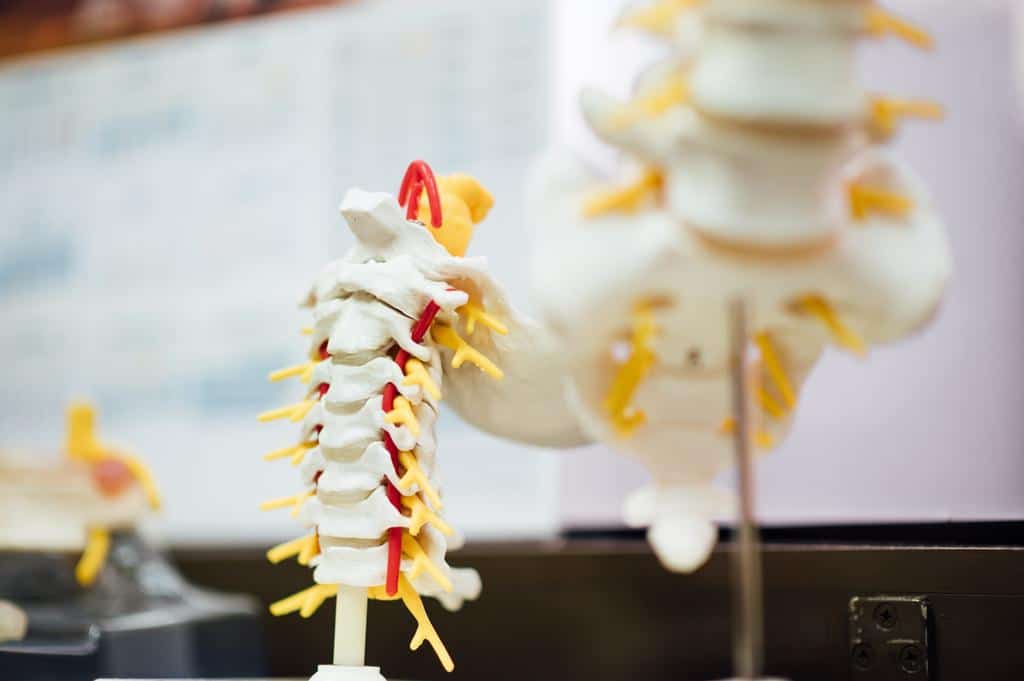
Common Symptoms of Lumbar Stenosis
Lumbar stenosis can be caused by a spinal canal narrowing, a spinal tumor, injury to the spine, certain bone diseases, rheumatoid arthritis, or past spine surgery. The most common symptoms include:
- Pain in the back
- Sciatica (pain that runs through the buttocks and down the legs)
- Numbness or weak feeling in the legs
- Numbness in the feet
- Problems with engaging in sex
More severe symptoms include:
- Bowel or bladder control loss
- Severe numbness in all areas of the legs
- Severe pain and weakness in one or both legs
Common Symptoms of Cervical Stenosis
Some of the most common symptoms of cervical stenosis include:
- Pain in the neck area
- Tingling in the limbs (arm, hand, leg, or foot)
- Weakness in the limbs (arm, hand, leg, or foot)
- Balance problems
- Difficulty with motor control in the hands
- Loss of bladder or bowel control (in severe cases)
Treatment of Spinal Stenosis
Spinal stenosis can be managed through non-surgical methods, depending on the severity of the individual’s symptoms. Some non-surgical treatment options include:
- Activity modification: individuals may be medically advised to avoid certain activities that bring on stenosis symptoms.
- Exercise: specific exercises, especially under a licensed physical therapist’s supervision, can help alleviate some of the pain.
- Epidural injections: injections provide temporary relief for the pain and are usually a good option if the individual is thinking of surgical intervention.
Seeking treatment for your stenosis is essential not only for your physical health but for your mental health as well. Experiencing chronic pain can take a toll on one’s mental well-being, so it’s important to see a professional as soon as possible so that you can start your treatment sooner rather than later. 
The Importance of Seeking Early Treatment
When it comes to spinal stenosis, early treatment is crucial for a variety of reasons. Not only does seeking treatment promptly help in managing the physical symptoms, but it also plays a vital role in maintaining good mental health.
Chronic pain, such as that caused by spinal stenosis, can have a significant impact on one’s mental well-being. The constant discomfort, limited mobility, and the challenges of carrying out daily activities can lead to frustration, anxiety, and even depression. It is essential to address the condition’s physical and psychological aspects to achieve overall well-being.
By seeking early treatment, individuals can start their journey toward recovery sooner rather than later. This can significantly reduce the time spent in pain and discomfort, allowing them to regain control over their lives. Additionally, early treatment can prevent the condition from worsening, potentially reducing the need for invasive surgical interventions down the line.
Choosing Treatment Options
Treatment options for spinal stenosis may vary depending on the severity of the individual’s symptoms. Non-surgical approaches are often the first line of treatment and can be highly effective in managing the condition. These may include activity modification, exercise programs designed to strengthen the affected area, and epidural injections to alleviate pain.
Surgical intervention may be considered if conservative measures do not provide sufficient relief. Surgical options for spinal stenosis range from minimally invasive procedures to more extensive treatments, such as decompression surgery or spinal fusion. Discussing these options with a healthcare professional — such as a neurosurgeon in Sydney — to determine the most appropriate course of action is important.
In addition to medical interventions, holistic approaches such as physical therapy, chiropractic care, and alternative therapies like acupuncture can also provide relief and improve overall well-being. It is essential to explore these complementary treatments under the guidance of trained professionals.

Conclusion
Remember, spinal stenosis should not be ignored or brushed aside. If you are experiencing symptoms such as back pain, numbness, weakness, or difficulty with motor control, seeking early treatment is crucial. By proactively addressing the condition, individuals can regain their quality of life and prevent further complications.
Lumbar and cervical spinal stenosis may have their differences, but their impact on individuals can be equally significant. Understanding these differences and seeking early treatment is essential for managing the condition effectively. By taking proactive steps toward treatment, individuals can alleviate pain, improve physical well-being, and enhance their mental health. Don’t let spinal stenosis hold you back from living a fulfilling life. Take charge of your health and seek the necessary care to reclaim your vitality.


