
Earth’s history has seen five mass extinction events – and yes, they are as severe as they sound. Each episode wiped out between 70% and 95% of the species of animals, microorganisms, and plants on the planet. The last one happened when the dinosaurs disappeared 66 million years ago. Each time the little bit of life that remains helps life on Earth bounce back, but the restoration takes millions of years.
Catastrophic alterations of the environment – such a collision with an asteroid or massive volcanic eruption – caused these past five mass extinctions. Now, we are going through a sixth mass extinction (also known as the Anthropocene extinction or the Holocene extinction). This time, however, the cause is human activity. It has been an ongoing extinction event occurring throughout the present Holocene epoch, beginning when humans started to farm and escalating in severity ever since. And a new study says its beginning to happen faster than previously expected.
Five years ago, Stanford biologists published a study announcing the world’s sixth mass extinction was underway. This year, the co-author of that study Paul Ehrlich and colleagues at other institutions, delivered an updated study declaring that the extinction rate is presumably much higher than previously calculated. The grim reality of the matter is that the situation is eroding nature’s ability to provide essential benefits to humanity.

A separate 2018 study published in PNAS found that since the dawn of human civilization, 15% of fish, 50% of plants, 80% of marine mammals, and an astounding 83% of wild mammals have vanished.
We have exterminated hundreds of species and driven even more to the cusp of extinction at an unprecedented rate through habitat loss, climate change, pollution, the use of toxic substances, and wildlife trade. The scientists warn that the proceedings could kick off a domino effect (because “extinction breeds extinction”) that will gravely threaten human existence. Our unsustainable relationship with the natural world is perilous – it’s on par with an asteroid!
According to a United Nations report, approximately 75% of Earth’s terrestrial environment has been “severely altered” by human actions. Within the past hundred years, the average abundance of animals and native plants has dropped by at least 20% in most major land habitats. It has reached the point that nature is declining “at rates unprecedented in human history.” So much so, that one million species have reached the brink of extinction. Meanwhile, in Europe, more than half of native tree species face extinction due to invasive diseases, pests, pollution, and urban development taking a toll on the landscape.
Gerardo Ceballos González, lead author of the new study, said that between 2001 and 2014, approximately 173 species went extinct. He told CNN in an email:
173 species is 25 times more extinct species than you would expect under the normal, background, extinction rate. [We] found that in the past 100 years, more than 400 vertebrate species went extinct. In the normal course of evolution, such extinctions would have taken up to 10,000 years.
To put these figures and the rate of acceleration into perspective: The entire 20th century saw an estimated 543 (at least) land vertebrate species go extinct. The scientists project that an equal number of species will likely go extinct in the next two decades. That’s a fivefold reduction in time! The researchers point out that the trend’s cascading effects include an upsurge of human health threats, such as the coronavirus.
Ehrlich said:
When humanity exterminates populations and species of other creatures, it is sawing off the limb on which it is sitting, destroying working parts of our own life-support system. The conservation of endangered species should be elevated to a national and global emergency for governments and institutions, equal to climate disruption to which it is linked.
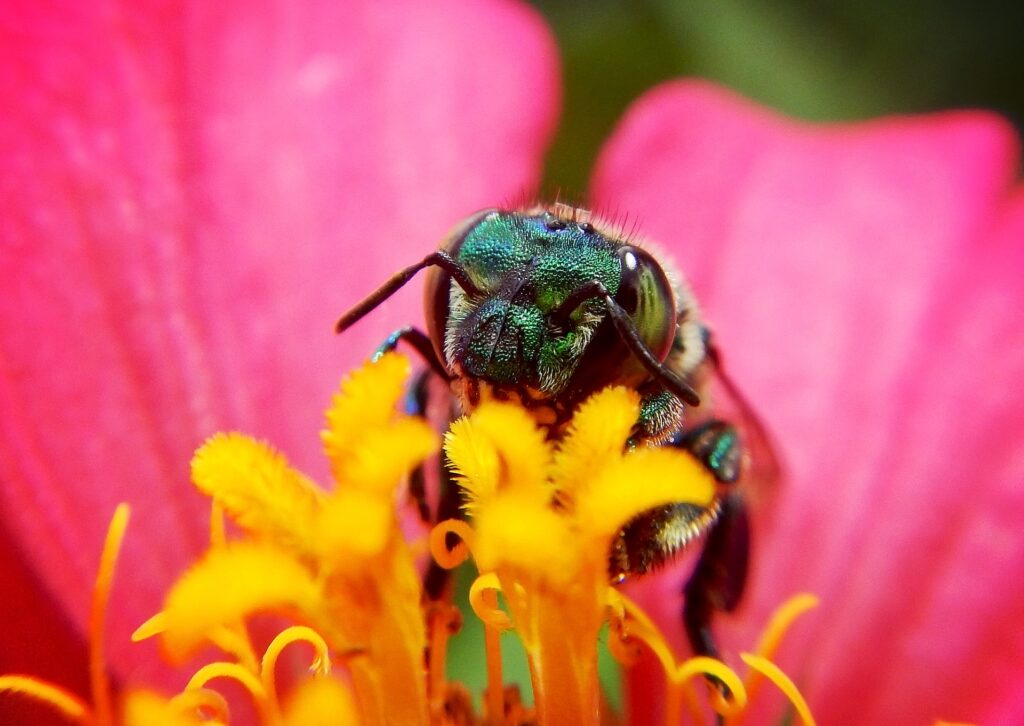
Humankind depends on biodiversity and thriving ecosystems to survive. For example, bees pollinate our crops, and marine species keep our oceans healthy, which is an abundant source of food and life-saving medicines. If we allow climate change to escalate and habitat destruction to continue, we destroy a delicate system we depend on for our well-being.
Ceballos said:
What we do to deal with the current extinction crisis in the next two decades will define the fate of millions of species. We are facing our final opportunity to ensure that the many services nature provides us do not get irretrievably sabotaged.
Dr. Rohan Clarke, who is a lecturer in the School of Biological Sciences at Australia’s Monash University but wasn’t involved in the study, said:
The links between human health and wellbeing and the health of our planet are well known. This research highlights the fragility of the Earth’s support systems and the urgent need to act. The call for the conservation of endangered species to be elevated to a national and global emergency is both warranted and urgent.
Study co-author Peter Raven, president emeritus of the Missouri Botanical Garden, said:
It’s up to us to decide what kind of a world we want to leave to coming generations – a sustainable one or a desolate one in which the civilization we have built disintegrates rather than builds on past successes.
The researchers include in their paper several ways in which we can deal with the threat at hand. Such measures include listing all species with populations under 5,000 as critically endangered on the International Union for Conservation of Nature Red List (the international database that informs where conservation efforts are needed) and enacting a global ban on the trade of wildlife.


