
A new HVAC system can transform comfort levels across any home or workspace. It ensures balanced temperature, improved air quality, and better energy use. Many property owners plan this upgrade after years of wear or rising utility bills. Yet, cost concerns often create hesitation.
Early research into the new HVAC system cost helps set clear expectations before any purchase decision. This article explains the full price breakdown, from equipment to labor and hidden charges, so every element becomes easy to understand.
Equipment Cost and System Type
The largest portion of total expense comes from the unit itself. HVAC systems vary based on type, size, and efficiency rating. Central air systems, heat pumps, and ductless mini-splits all come at different price levels. High-efficiency models often carry a higher upfront price but offer long-term savings on energy bills.
Capacity also affects pricing. A larger property requires a unit with higher tonnage, which increases cost. Premium brands with advanced features, such as smart thermostats or variable speed compressors, also raise the price range. Each choice influences both initial investment and long-term performance.
Labor Charges and Installation Complexity
Labor forms a major part of the overall expense. Skilled technicians handle system placement, duct connection, wiring, and testing. The final cost depends on job complexity and time required.
Simple replacements cost less since existing infrastructure supports the new unit. Complex projects that involve layout changes or structural adjustments increase labor fees. Local rates also vary based on demand, expertise, and service standards. Reliable professionals may charge more, yet quality work reduces future repair expenses.
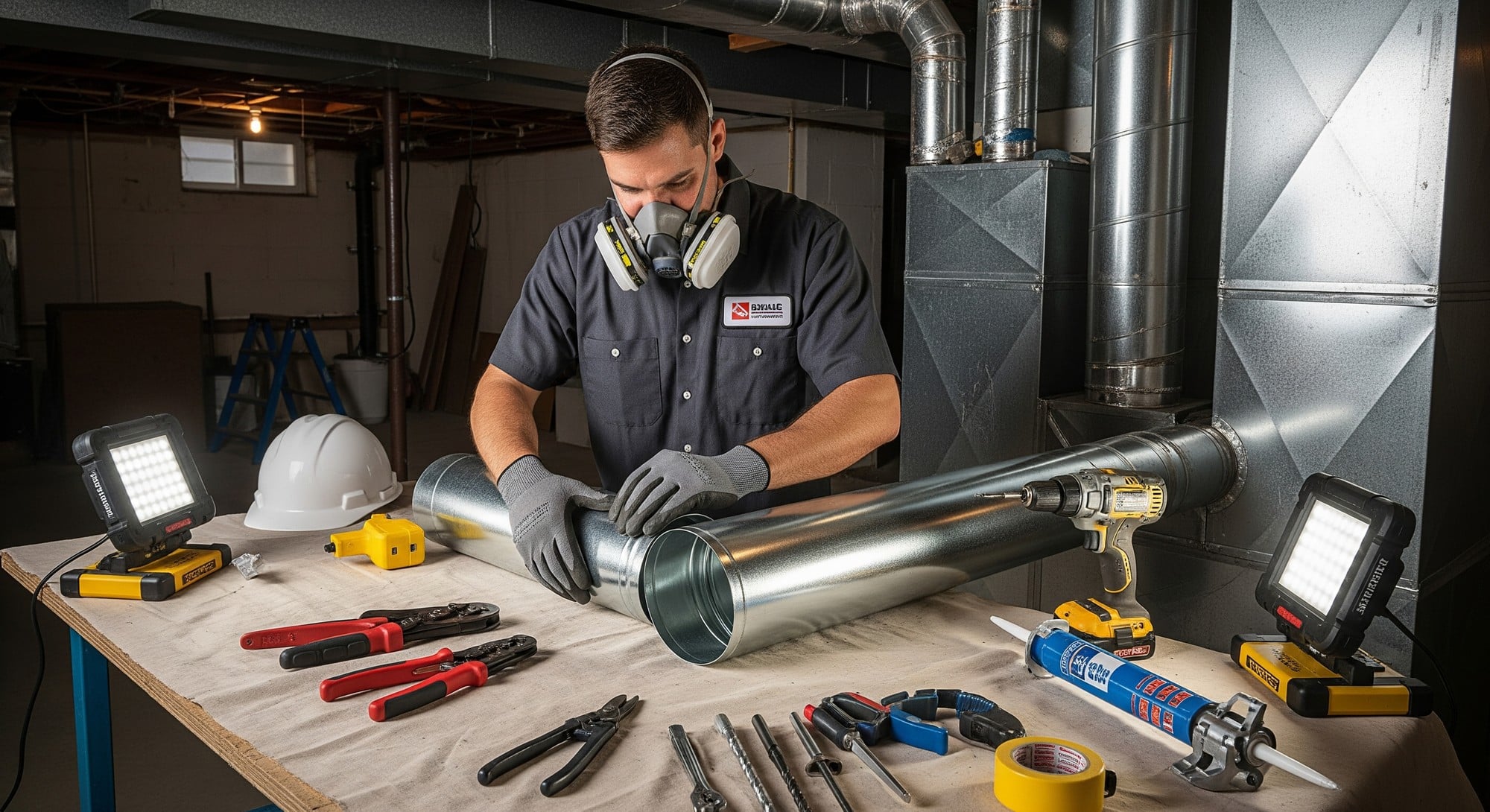
Homeowners can research how to choose the best HVAC company to ensure they hire qualified professionals for their installation.
Ductwork and Infrastructure Adjustments
Ductwork condition plays a crucial role in final pricing. Old or damaged ducts reduce efficiency and may require repair or full replacement. New duct installation adds a significant amount to the total cost but ensures proper airflow and system performance.
Additional infrastructure upgrades may include electrical panel updates, insulation improvements, or thermostat replacement. These elements ensure that the new system operates safely and efficiently. Ignoring such upgrades may lead to performance issues or higher energy use later.
Permits, Inspections, and Compliance Costs
Local regulations often require permits before installation begins. Permit fees vary by region and depend on project scope. After installation, inspections confirm that the system meets safety and efficiency standards.
Compliance with building codes ensures proper operation and prevents future legal or safety concerns. These costs may appear minor compared to equipment or labor, yet they remain essential for a complete and secure setup.
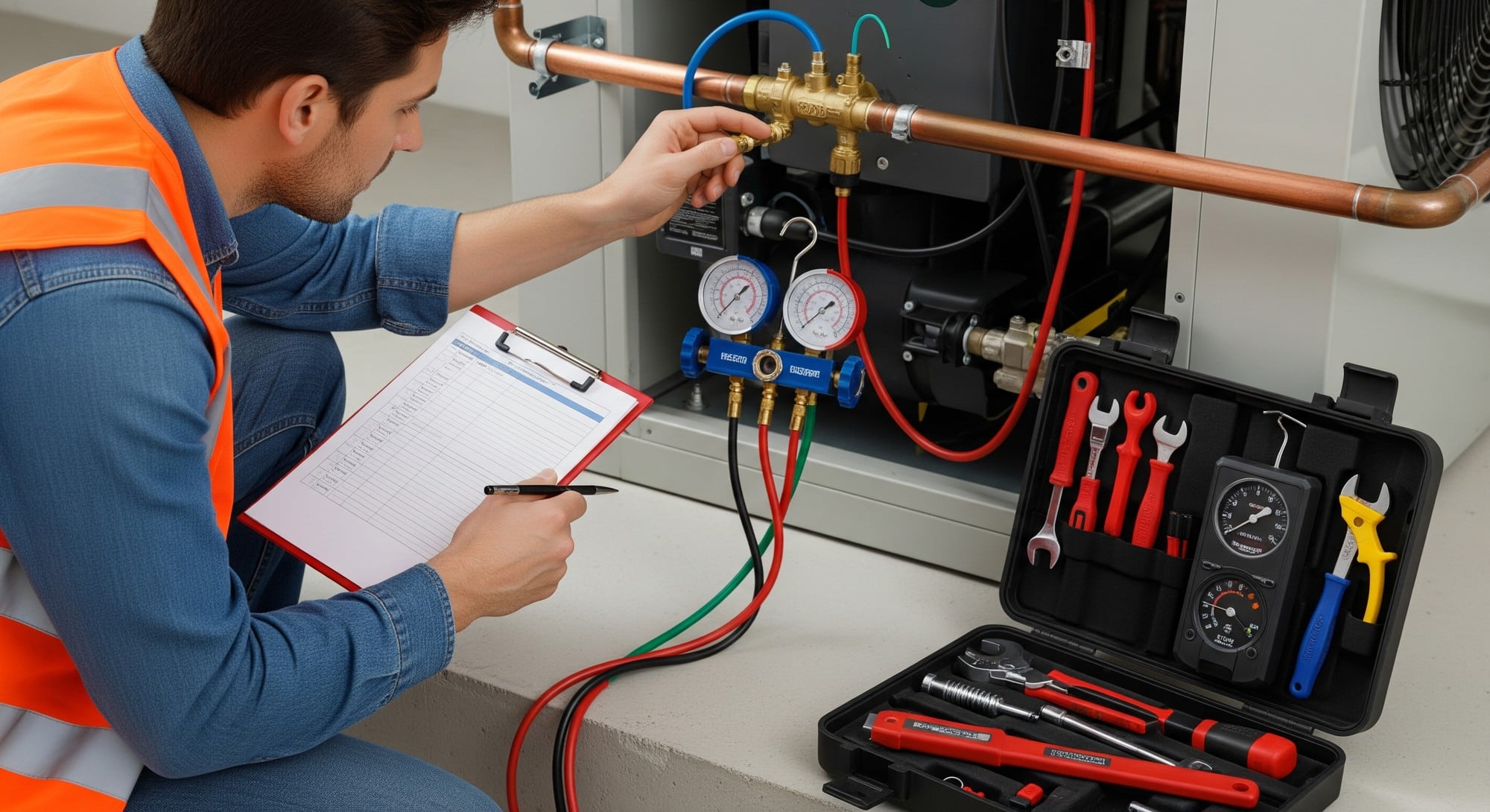
The U.S. Department of Energy offers extensive guidance on HVAC energy renovations for homeowners planning system upgrades and replacements.
Hidden Costs That Shape Final Pricing
Several additional factors influence the final bill. Old system removal, disposal fees, and minor repairs add to the overall expense. Warranty plans and maintenance agreements also contribute to total cost.
Seasonal demand affects pricing as well. Peak summer or winter periods often lead to higher service charges due to increased demand. Careful planning helps avoid these price spikes and ensures better deals. A clear estimate of the new HVAC system cost includes all these hidden elements. Awareness of these factors prevents unexpected expenses and supports better financial planning.
A new HVAC system represents a major investment that improves comfort, efficiency, and property value. A clear breakdown of costs helps eliminate confusion and supports confident decision-making. Equipment, labor, ductwork, and compliance all contribute to the final price. Careful evaluation of each component ensures better value and long-term performance. A well-planned installation leads to reliable operation and lower energy expenses. Thoughtful choices today create a more comfortable and efficient environment for years ahead.

