
Creating a beautiful home exterior involves choosing materials that withstand the elements. Homeowners search for ways to improve the appearance of their property without harming the planet. These upgrades provide long-term value and lower the need for constant repairs.
Selecting eco-friendly options helps reduce waste and save money on utility bills. Many durable materials offer a classic look that stays in style for decades. This approach builds a home that looks great and functions efficiently through every season. A homeowner’s guide to eco-friendly outdoor care offers additional insights into sustainable maintenance practices for the exterior of a home.
Caring For Your Home Structure
Modern properties benefit from regular inspections and repairs to avoid significant damage as years pass. Fixing small issues early prevents costly renovations later in the life of the building. Routine upkeep protects that appearance, and a crew offering home exterior services in the GTA handles the window washing, lawn care, and surface cleaning that keep curb appeal sharp between bigger upgrades.
Proper care for the top of a building prevents water from leaking into the attic. Quality materials provide defense against the elements, as suggested by the Omega Roofing team. This focus helps homeowners avoid frequent repairs and maintain a more resilient property.
Consistent upkeep of the outer shell keeps the house safe from rain and wind. Investing in quality work now protects the interior from moisture and pests.
Picking Fire-Resistant Siding
Safety and longevity go hand in hand when picking materials for the exterior of a residence. Some choices offer better protection against external heat and flames than standard wood or vinyl.
A study on construction materials found that bricks and fiber-cement siding possess natural fire-resistant properties that others lack. Choosing these options helps protect the structure from environmental hazards for years to come.
These materials require less painting and scrubbing than traditional siding products. They stay looking new even after years of exposure to harsh sunlight and heavy storms.
Reducing Synthetic Plastic Usage
Homeowners are looking for ways to reduce the environmental footprint of their dwellings. Finding alternatives to plastic-based products keeps waste out of landfills and oceans.
Research shows that the building sector uses 69% of the global production of PVC products and 19% of all non-fiber plastics. Reducing the use of these materials helps decrease the demand for synthetic products in residential projects.
Choosing metal or natural stone can provide a more sophisticated look for the home. These materials last longer and do not release chemicals into the soil as they age.
Installing Vegetated Roof Systems
Adding vegetation to the top of a house offers more than just a unique appearance for the neighborhood. These systems manage rainwater and provide natural insulation for the rooms below.
One report from a government agency mentions that green roofs have a longer lifespan than traditional setups and help lower energy costs. This upgrade provides a practical way to manage temperature and extends the time between major renovations.
Creating a space for plants on the roof helps cool the local air during hot summer months. It turns a standard surface into a functional part of the local ecosystem.
Upgrading to Energy-Efficient Windows
Windows play a major role in how a house manages heat and cold. Replacing old glass with modern versions keeps the indoor climate steady throughout the year.
Newer models use special coatings and gas fills to block out the summer sun. This reduction in heat gain means the air conditioner does not have to work as hard.
Durable frames made from recycled wood or metal offer strength without frequent maintenance. These installations keep the house quiet by blocking out street noise.
Choosing Sustainable Decking Materials
Outdoor living spaces need surfaces that can handle foot traffic and wet weather. Selecting the right boards makes the backyard a comfortable place to relax for many years.
Many people now prefer composite materials made from recycled sawdust and plastic bags. These boards do not rot or splinter like traditional pressure-treated lumber.
Consider these benefits of using sustainable materials for outdoor platforms:
- Reduced need for staining and sealing
- Lower risk of insect damage
- High resistance to fading from the sun
Using Recycled Materials For Accents
Small details make a big difference in the look of a house. Using reclaimed wood for shutters or trim adds character that new products lack.
Reused bricks and stones from old buildings provide a sturdy base for garden walls or steps. These pieces have a history and a unique texture that improves as they get older.
Collecting these materials costs less than buying brand-new items from a store. It keeps high-quality items in use instead of letting them sit in a waste pile.
Maintaining Long-Term Exterior Quality
Keeping a house in top shape requires a schedule for cleaning and checking different areas. Removing dirt and leaves prevents mold from growing on the siding or roof.
Inspecting the seals around doors and windows stops drafts from entering the home. These small tasks save a lot of money on heating and cooling costs.
Regular care helps the eco-friendly upgrades last for their full expected lifespan. A clean exterior keeps the curb appeal high for neighbors and future buyers.
Improving Water Efficiency Around The Property
Managing water use is an important part of creating a sustainable and low-maintenance exterior. Modern landscaping and drainage solutions help homeowners reduce waste while keeping the property healthy and visually appealing.
Permeable walkways and driveways allow rainwater to soak naturally into the ground instead of flowing into crowded drainage systems. Rain barrels and collection systems provide an additional source of water for gardens and outdoor cleaning tasks.
Drought-tolerant plants are another practical option for reducing outdoor water consumption. Native species often require less irrigation and adapt better to local climate conditions throughout the year. Combining efficient water management with durable landscaping creates a property that remains attractive with less ongoing maintenance.
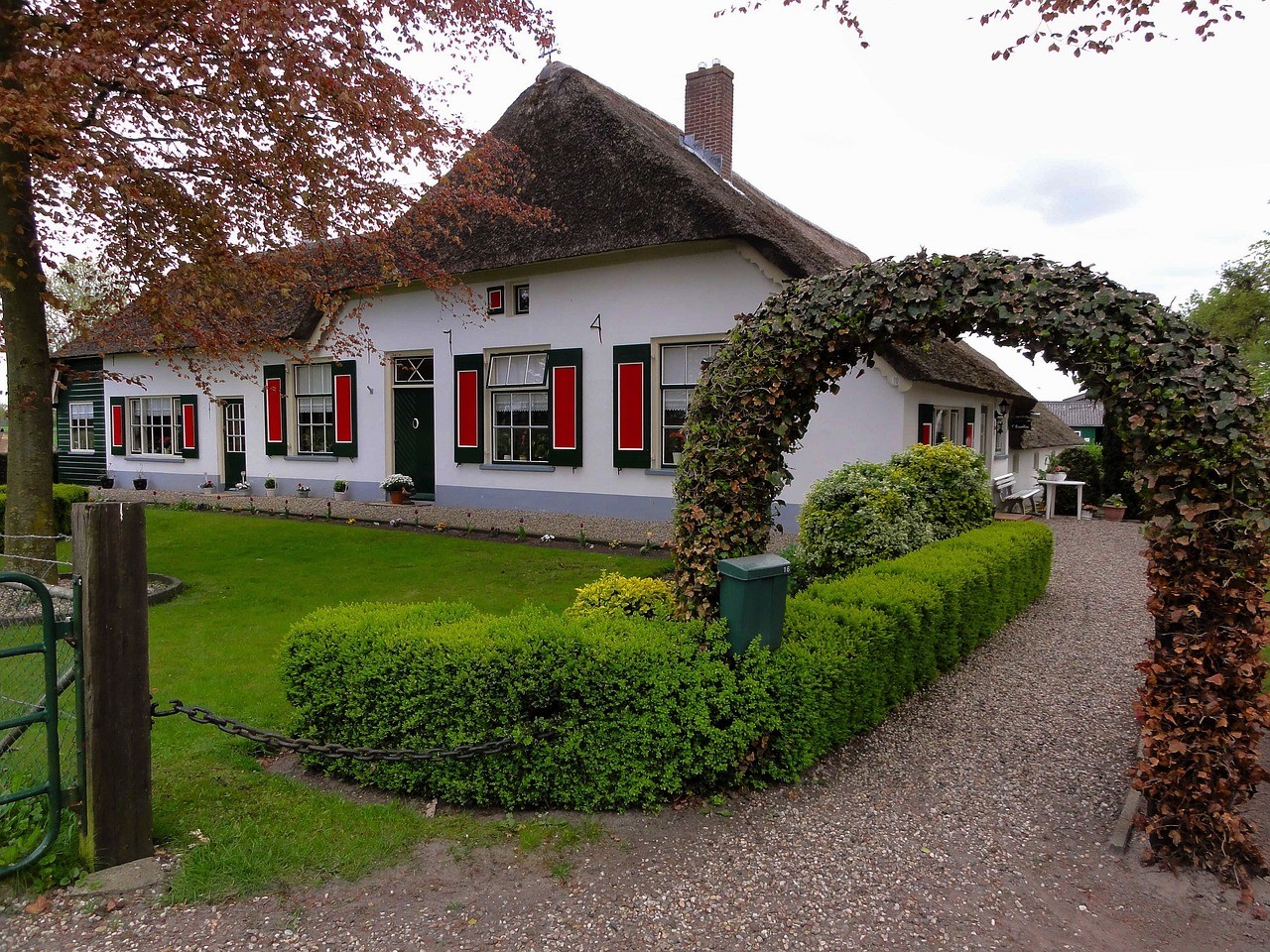
Sustainable exterior upgrades provide homeowners with a practical way to improve both appearance and long-term property performance. Choosing durable materials and energy-efficient features reduces maintenance demands while helping lower utility expenses.
Eco-friendly improvements also contribute to greater environmental responsibility by reducing waste and conserving natural resources. Features like fire-resistant siding, energy-efficient windows, and vegetated roofs help homes operate more efficiently without sacrificing style or comfort. Modern sustainable design proves that beauty and functionality can work together successfully.
Maintaining these upgrades through regular inspections and routine care helps preserve their value for decades. Small efforts made consistently prevent costly problems and extend the lifespan of exterior materials. A well-maintained sustainable home continues to offer strong curb appeal, comfort, and lasting value for future generations.


