
Sustainable living has become a priority in recent years, especially in outdoor care. Individuals and communities are increasingly recognizing the environmental impact of their gardening and landscaping practices. It’s important to approach outdoor maintenance with an eco-friendly mindset, focusing on solutions that prioritize aesthetic appeal and environmental health.
With innovative products and methods readily available, it has never been easier to make smarter choices for greener living. Utilizing eco-friendly solutions within our outdoor spaces benefits the environment and promotes a more sustainable lifestyle, contributing to a healthier planet for future generations.

The Core Principles of Eco-Friendly Outdoor Care
Eco-friendly outdoor care involves applying sustainable principles that reduce environmental harm and enhance biodiversity. These practices aim to minimize pollution and the overuse of natural resources. One fundamental principle is the reduction of chemical inputs. Traditional gardening often relies heavily on pesticides and synthetic fertilizers, which can leach into waterways and harm local wildlife. By adopting organic practices, such as using compost and natural pest deterrents, gardeners can nurture their plants without introducing harmful substances into the ecosystem.
Irrigation methods play a significant role in sustainable outdoor care. Efficient watering techniques, such as drip irrigation or rainwater harvesting, can drastically reduce waste and ensure that water is used where it’s most needed. Understanding local flora and fauna also encourages environmentally harmonious gardening, as native plants tend to thrive without excessive maintenance.
Eco-friendly outdoor care is not just about individual gardens; it’s about fostering an entire community toward sustainable practices, promoting a collective responsibility to the environment.
Selecting The Right Tools for Sustainable Gardening
Selecting the right gardening tools is critical for any eco-friendly practice. Opting for tools that are energy-efficient or battery-powered can significantly decrease carbon emissions associated with landscaping activities. Tools made from sustainable materials, such as bamboo or recycled metals, reduce waste and promote a circular economy. It’s equally beneficial to invest in high-quality tools that have longevity, minimizing the need for replacements.
For smaller tasks, manual tools like hand shears or hoes can effectively manage your yard or garden with minimal environmental impact. These tools allow for greater precision and reduce the carbon footprint associated with gas-powered devices. When considering lawn maintenance, modern cordless string trimmers provide excellent alternatives that are both efficient and gentle on the environment. Options such as WORX emphasize battery life and durability, delivering effective trimming without the guilt of excessive power consumption. Choosing the right tools empowers gardeners to maintain their outdoor spaces effectively while minimizing environmental harm.

Nourishing Your Soil with Organic Fertilizers
Organic fertilizers are a cornerstone of eco-conscious gardening. Organic fertilizers, derived from natural sources such as compost, manure, or bone meal, work harmoniously with the soil’s microbiome to enhance its health and fertility. By enriching the soil organically, gardeners foster biodiversity and contribute to a thriving ecosystem. Organic fertilizers release nutrients more slowly than their synthetic counterparts, reducing the risk of runoff that can pollute local waterways.
This gradual release allows plants to absorb nutrients more effectively and encourages robust growth. Applying compost to enrich garden beds improves soil structure, leading to better moisture retention and aeration. By moving away from synthetic fertilizers, gardeners safeguard their landscapes and promote healthier environments for beneficial organisms such as earthworms and insects.
Investing in a soil test before applying fertilizers can provide valuable insights into your soil’s specific nutrient needs. This ensures that any amendments are tailored to enhance soil health most effectively.
Mastering Water Conservation in Your Garden
Water conservation is crucial for eco-friendly outdoor care, especially in areas facing drought or water restrictions. By adopting strategic watering practices, gardeners can significantly reduce their outdoor water usage while maintaining healthy landscapes. Techniques such as mulching help retain moisture in soil by minimizing evaporation. Utilizing drought-resistant plants is another excellent strategy, as they require less water and thrive in low-moisture conditions. Implementing rain gardens can effectively manage stormwater runoff while creating beautiful habitats for wildlife.
These gardens utilize native plants to absorb rainwater, reducing erosion and preventing pollutants from entering the water supply. Utilizing irrigation systems equipped with timers and moisture sensors can further optimize water use, ensuring that plants receive sufficient hydration without waste. The installation of permeable paving in walkways and patios allows rainwater to percolate into the ground, reducing runoff and replenishing groundwater supplies.
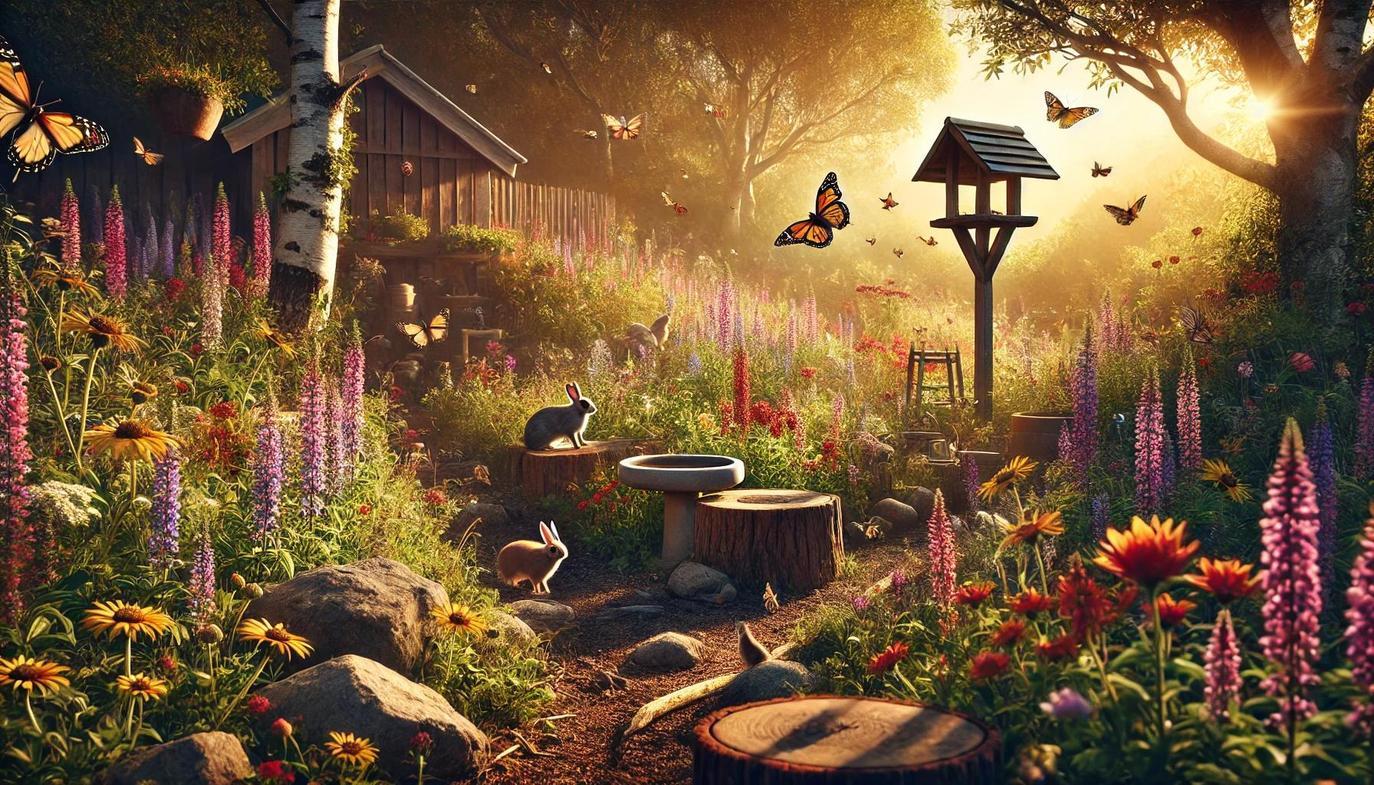
How To Create a Thriving, Wildlife-Friendly Garden
Encouraging wildlife in our gardens fosters biodiversity and contributes to the ecosystem’s health. Creating a wildlife-friendly environment involves providing varied habitats and food sources for local fauna. Planting native flowers, shrubs, and trees offers important food sources for insects, birds, and mammals, promoting a balanced ecosystem. Incorporating elements such as birdhouses, bat boxes, and pollinator gardens can attract beneficial wildlife, adding vitality to outdoor spaces. Maintaining a chemical-free garden supports these efforts, as it encourages the presence of pollinators vital for plant reproduction.
Strategies like installing ponds or water features can provide important drinking spots for animals while supporting local amphibians and insects. Edging garden beds with logs or rocks adds visual interest and creates habitats for ground-nesting species and beneficial insects. Enhancing your garden’s biodiversity also promotes natural pest control, reducing the need for harmful chemicals.
A flourishing wildlife garden stands as a testament to responsible stewardship of the environment. It provides significant pleasure for nature enthusiasts and makes you an active contributor to ecological balance.
Bringing Sustainable Gardening to Your Community
Engaging with your community can greatly expand the reach of sustainable gardening practices. Community gardens serve as an excellent platform for education and collaboration. They create opportunities for individuals to learn about sustainable techniques and share resources while fostering a sense of community pride. Local workshops on composting, organic gardening, or water conservation can empower community members to implement green solutions in their own yards.
Collaborating with local schools to incorporate gardening programs can be a wonderful way to educate children about the benefits of sustainable practices from a young age. Local farmers’ markets can serve as a source for organic and native plant varieties, supporting the local economy while enhancing sustainability efforts.

Embracing A Greener Approach to Outdoor Living
Adopting eco-friendly outdoor care is a powerful way to create a beautiful space that actively benefits the environment. By making conscious choices—from the battery-powered tools we use to the organic fertilizers that enrich our soil—we move away from harmful conventional practices. This holistic approach, which includes smart water conservation and creating wildlife-friendly habitats, ensures our gardens are not only aesthetically pleasing but also thriving, sustainable ecosystems.
Every sustainable action, no matter how small, contributes to a larger positive impact on our planet’s health. When these individual efforts are shared within a community, they foster a collective sense of environmental stewardship. By embracing these green living solutions, we not only enhance our own outdoor spaces but also help cultivate a healthier, more resilient world for future generations.
Your Eco-Friendly Gardening Questions Answered
What Is the Easiest First Step to A Greener Yard?
Starting with your soil is often the simplest and most impactful first step. Begin composting kitchen scraps to create a natural, nutrient-rich soil amendment. This reduces household waste and eliminates the need for synthetic fertilizers, immediately making your garden more eco-friendly.
Do I Need to Replace All My Tools to Be Sustainable?
Not at all. The most sustainable approach is to maintain the tools you already own to maximize their lifespan. As you need to replace items or expand your collection, prioritize manual tools for smaller tasks and look for energy-efficient, battery-powered options over gas-powered ones for larger jobs.
How Do Native Plants Help the Environment?
Native plants are adapted to the local climate and soil conditions, meaning they require significantly less water, fertilizer, and pest control than non-native species. They also provide essential food and habitat for local wildlife, including birds, butterflies, and other vital pollinators, which strengthens your local ecosystem.


