
Fashion is more than just clothing; it’s a form of personal expression, a way to craft an identity without saying a word. In the same vein, a signature scent is an invisible accessory, a powerful statement of style that lingers in the memory. It is this profound connection between visual identity and olfactory presence that has led the world’s most iconic fashion houses to venture beyond the runway and into the intricate world of perfumery. The result is a multi-sensory experience where the essence of a brand can be worn, felt, and remembered.
This exploration examines the seamless fusion of fashion and fragrance, using the journey of a luxury brand like Jimmy Choo as a prime example. We will uncover how a label known for its powerful design aesthetic translates its identity into a bottle, from the careful selection of fragrance families to the art of packaging. It is a look into how fashion brands create not just perfumes but complete olfactory extensions of their style, offering a new dimension of connection for their audience.
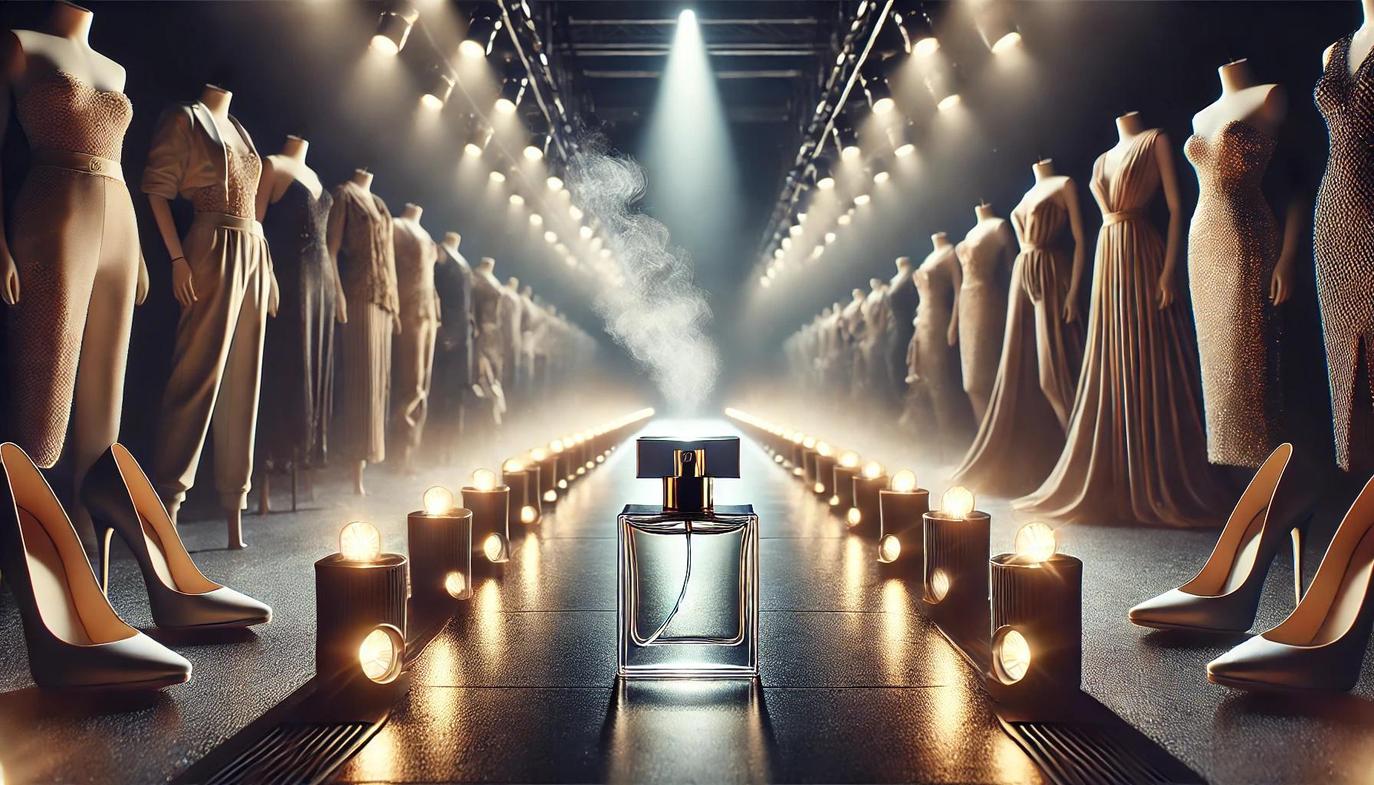
From Couture to Cologne: The Leap into Fragrance
In the 1990s, the Jimmy Choo brand gained global appeal for its luxury shoes and accessories, which soon became emblems of grace and powerful design. After making a name for itself in fashion, the brand ventured into fragrances, following a path similar to other luxury houses.
This olfactory expansion allowed the label to evolve its brand identity. It presented a new opportunity for a global fan base to engage and connect with the brand’s signature designs through scent.
Understanding The Language Of Scent: Fragrance Families
Perfume collections are organized into families, each containing a variety of scents. Listed below are the most popular:
- Floral notes of rose and jasmine are associated with elegance and romance.
- Fruity notes include citrus and pears. They are refreshing and energetic.
- Woody notes include sandalwood and patchouli. They add warmth and depth.
- Spicy or oriental touches add richness and depth.
These combinations allow perfumes to be used in various circumstances. Blends that are light and airy are best suited for daytime use, while deeper scents are better suited for the evenings. With these options, individuals can select perfumes based on the occasion and the season.
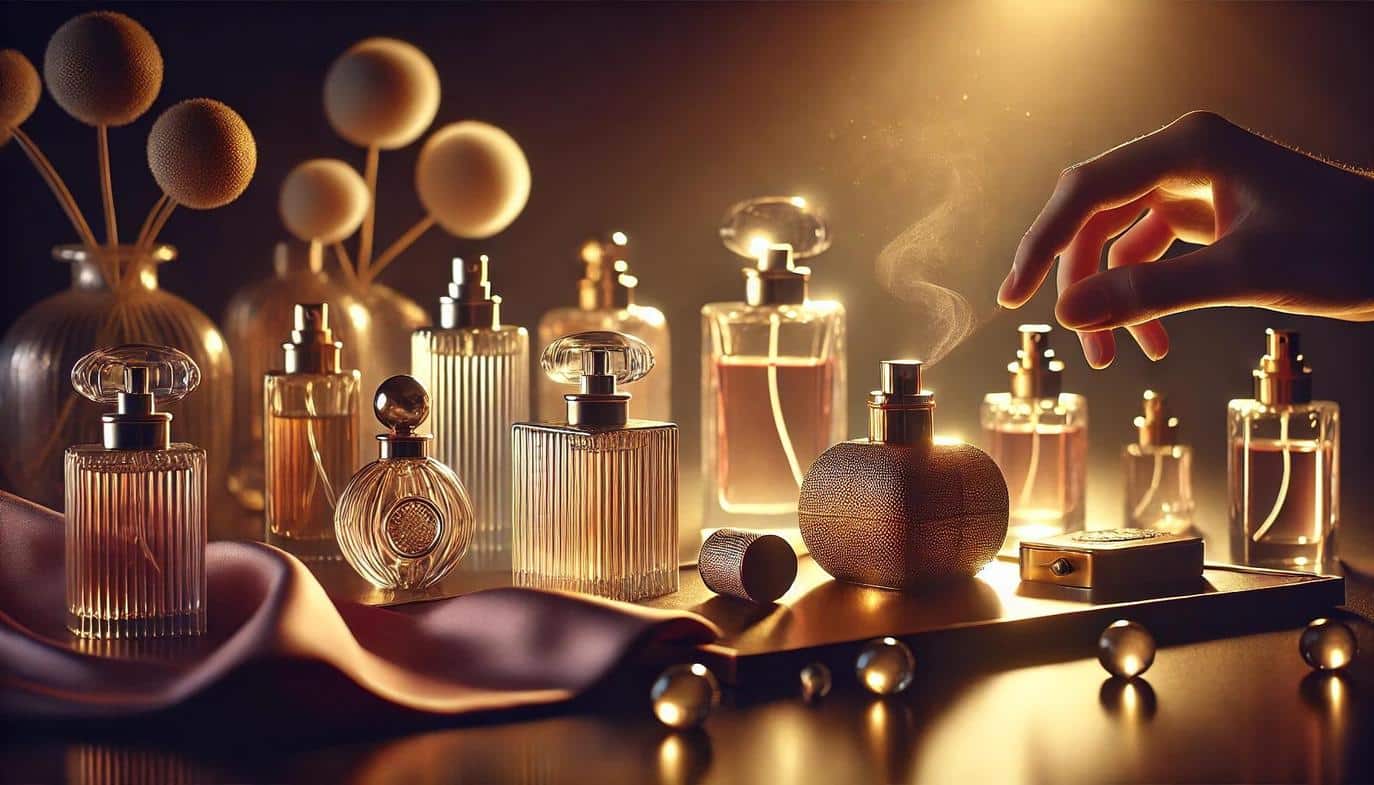
The Ritual of Scent: Matching Fragrance to Occasion
Casual occasions call for floral or fruity scents, while formal events and evening gatherings are better suited to stronger woody or oriental perfumes. Season also plays a role. Fresh and airy scents are most suitable in the warmer months, while autumn and winter are better for warmer notes.
This is why most individuals own more than one fragrance and change them based on the occasion and mood. Perfume becomes a collection rather than a single choice guided by one’s lifestyle.
More Than a Bottle: The Art of Perfume Packaging
Perfume encompasses much more than the fragrance. The package shape and design are equally important. Within this line, the shapes of the bottles are often closely associated with fashion design, paying attention to the details and the shape. This style is a wider trend in luxury perfumery, which turns packaging into a vital part of the experience.
The human interaction with scent is an intricate process. A beautifully crafted container can transform the process of applying perfume into something deeper and more purposeful.

A Scent for Every Generation: Cross-Generational Appeal
Designer fragrances are crafted to appeal to a larger audience. Younger users may lean toward playful fruity blends, while older users are more inclined toward complex woody blends. This balance allows them to appeal across generations.
Perfumes are also a popular gifting choice. Every brand in the market has a wide variety of perfumes, which makes it easy to find the right fragrance for every personality and still feel luxurious.
Finding Your Signature Scent: A Practical Guide
Choosing a fragrance may seem complex, but a few fundamental tips can streamline the process.
- Test on skin: It is a basic and crucial step that every person should undertake. Every perfume is blended differently and reacts with a person’s chemistry in a unique way.
- Check lasting power: Some fragrances fade more quickly than others, while some are perceptibly present for hours.
- Match to setting: Some fragrances are best suited for daytime or office use, while others are best reserved for evenings.
- Think about season: Fresh notes are suited to warmer weather, while heavier notes best suit colder weather.
All these steps are universal for any perfume selection, ensuring the perfume matches personal preference and lifestyle.
The Dual Role of Designer Fragrances in the Market
Fragrances are situated between everyday products and cultural icons. They serve a dual purpose: a versatile accessory for any time and an embodiment of a style identity. On one hand, a designer perfume offers an accessible entry point into a world of luxury. It allows consumers to integrate a piece of a high-fashion brand into their daily routine, making aspirational style a part of their personal identity.
On the other hand, these scents often transcend their function to become cultural touchstones. Through iconic packaging, memorable marketing campaigns, and an alignment with the zeitgeist, a fragrance can come to represent an entire era or a specific ideal of elegance and sophistication. The case of Jimmy Choo perfume demonstrates this duality perfectly. It shows how fashion brands use fragrances to extend their brand presence, offering consumers a product that is both a practical, everyday luxury and a powerful symbol of a coveted style.

The Enduring Allure of Style and Scent
The connection between fashion and fragrance is a testament to the power of brand identity. When a fashion house like Jimmy Choo ventures into perfumery, it does more than just launch a new product; it offers a new way to experience its core aesthetic. The scent becomes an invisible accessory, allowing consumers to wear the brand’s story, elegance, and attitude in their daily lives. This synergy transforms both the garment and the fragrance into elements of a complete personal style.
Ultimately, a designer perfume is a carefully crafted extension of a fashion legacy. From the olfactory notes that echo the brand’s mood to the bottle design that reflects its craftsmanship, every detail is an invitation into that world. It proves that the most powerful style statements are multi-sensory, creating a lasting impression that is both seen and felt long after you’ve left the room.
Your Questions on Fashion and Fragrance Answered
Why Do So Many Fashion Brands Create Perfumes?
Fashion brands create perfumes to extend their brand identity beyond clothing and accessories. A signature scent allows consumers to connect with the brand on a more personal and accessible level, making luxury a part of their everyday routine. It’s a powerful tool for building a deeper, multi-sensory brand experience.
How Important Is the Bottle Design for a Designer Perfume?
The bottle design is critically important. It is the first visual representation of the scent and often reflects the fashion brand’s design ethos, using similar shapes, materials, and details found in their clothing or accessories. A beautiful bottle enhances the user’s experience, turning the act of applying perfume into a luxurious ritual.
How Do I Choose a Fragrance That Matches My Style?
Start by identifying the fragrance families you’re drawn to—floral, fruity, woody, or spicy. Test the perfume on your skin, as your body chemistry will alter the scent. Consider the context: lighter scents are often better for daytime, while richer, more complex fragrances work well for evenings. The right perfume should feel like a natural extension of your personal style.


