
Living in a condominium offers numerous advantages, including shared amenities, reduced maintenance responsibilities, and a sense of community. However, one critical aspect of condominium living that often raises questions is pest control. Ensuring a pest-free environment is a shared responsibility between the condo association and individual condo owners. According to pest control experts at companies like Pest Line, recognizing these responsibilities is essential. It helps maintain a healthy and comfortable living environment for everyone.
Condo Association Responsibilities
Regular Inspections and Maintenance
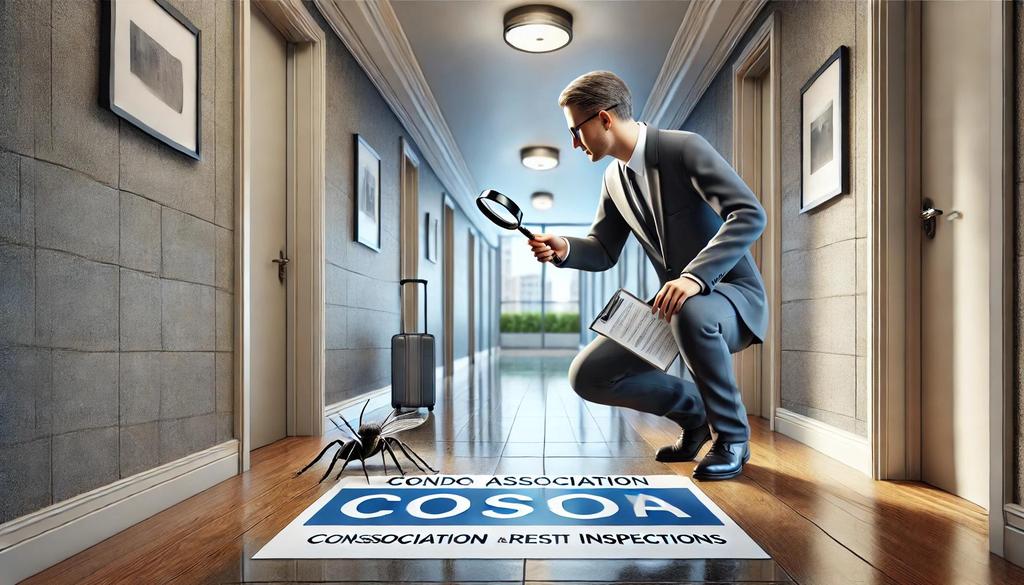
The condo association is responsible for the overall maintenance and upkeep of the property, including common areas. Regular inspections are a key part of this duty. The association can identify and address potential pest issues by conducting routine checks before they escalate. This includes inspecting hallways, basements, attics, and other shared spaces where pests are likely to nest.
Pest Control Programs
To proactively manage pest issues, condo associations typically engage professional pest control services. These programs include regular treatments and preventive actions customized to the property’s unique requirements. The association must inform residents about the timing and details of these treatments. This ensures that everyone is aware and can take appropriate precautions.
Addressing Structural Issues
Structural problems such as cracks in walls, broken windows, and leaks can create entry points for pests. The condo association is responsible for addressing these issues promptly. By maintaining the integrity of the building’s structure, the association helps prevent pest infestations and promotes a safer living environment.

Condo Owner Responsibilities
Maintaining a Clean Environment
Individual condo owners play a vital role in preventing pest infestations. One of the primary responsibilities is maintaining a clean living space. This includes regular cleaning, proper food storage, and promptly disposing of garbage. Pests are drawn to food residues and clutter, so maintaining a clean condo is a basic yet crucial step.
Reporting Issues Promptly
When a condo owner notices signs of a pest problem, such as droppings, nests, or damage, it’s crucial to immediately report these issues to the condo association. Early reporting allows for swift action, potentially preventing the spread of pests to other units and common areas. Owners should familiarize themselves with the association’s reporting procedures to ensure timely communication.
Cooperating with Pest Control Efforts
Another critical responsibility is cooperating with the condo association’s pest control measures. This involves allowing pest control professionals to perform inspections and treatments. Residents should also follow recommended preventive measures and adhere to the guidelines set by the association. Active participation in these efforts boosts the effectiveness of pest control programs. Ultimately, this contributes to a healthier living environment for everyone.

Joint Responsibilities
Education and Awareness
Both the condo association and condo owners should prioritize education and awareness regarding pest control. The association can organize informational sessions and distribute educational materials to help owners understand their role in pest prevention. Owners, in turn, should stay informed and take proactive steps based on this knowledge.
Addressing Disputes and Conflicts
Pest control issues can sometimes lead to disputes between condo owners and the association. Resolving these conflicts requires effective communication and a clear understanding of responsibilities. Both parties should consult the condominium bylaws and regulations, which usually detail specific obligations and procedures for handling pest-related issues.

Pest-Free Condo Environment Through Collective Responsibility
Maintaining a pest-free condominium necessitates cooperation between the condo association and individual owners. When both parties understand and fulfill their respective responsibilities, they help create a clean, safe, and comfortable living space. Key components of this collaboration include regular maintenance, prompt reporting, and adherence to pest control measures.
Moreover, consistent communication ensures everyone is informed about ongoing efforts and preventive strategies. By working together, residents and the association can effectively address any pest issues that arise. Ultimately, this joint effort fosters a healthier and more pleasant community for all.


