
Supercapacitors can charge and discharge almost instantly, and they hold great potential for energy storage. Now, scientists at the University of California, Riverside (UCR) have figured out how to make components for advanced energy storage devices from sustainable sources in the form of a nanomaterial made from plastic waste.
The brains behind the discovery is from a team of engineers led by Cengiz Ozkan of UCR, who for many years has been searching for new nanoscale materials that can make supercapacitors a practical option for sustainable energy storage.
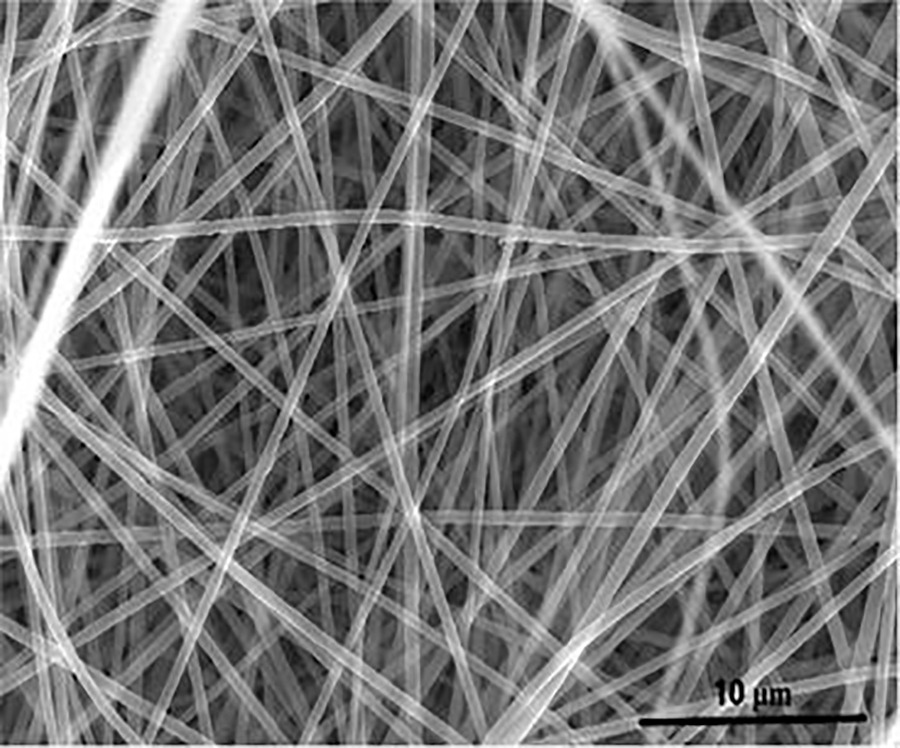
How did Ozkan and her colleagues create the new material? First, they collected plastic bottles made from PET (polyethylene terephthalate plastics) and cut it up into pieces. These pieces were dissolved in a solvent and turned into microscopic fibers via electrospinning. The fibers are then placed in a furnace to be transformed into carbon.
The resulting material was mixed with a binder and conductive agent before the team incorporated it into a double-layer capacitor in a coin-cell-like form. When they tested the new material in this arrangement, it proved to work as a capable component of a supercapacitor.
Arash Mirjalili, the first author of the study, said:
At UCR, we have taken the first steps toward recycling plastic waste into a rechargeable energy storage device. We believe that this work has environmental and economic advantages, and our approach can present opportunities for future research and development.
Lithium batteries don’t charge as fast as supercapacitors, but they store more energy. Therefore, the team believes that the technique they are using could be modified to improve the performance of lithium batteries.
Cengiz Ozkan explained:
The upcycling of PET plastic waste for energy storage applications could be considered the holy grail for green manufacturing of electrode materials from sustainable waste sources. This demonstration of a new class of electrodes in the making of supercapacitors will be followed by a new generation of Li-ion batteries in the future, so stay tuned.
Ozkan and her team published the research on — in the journal Energy Storage.


