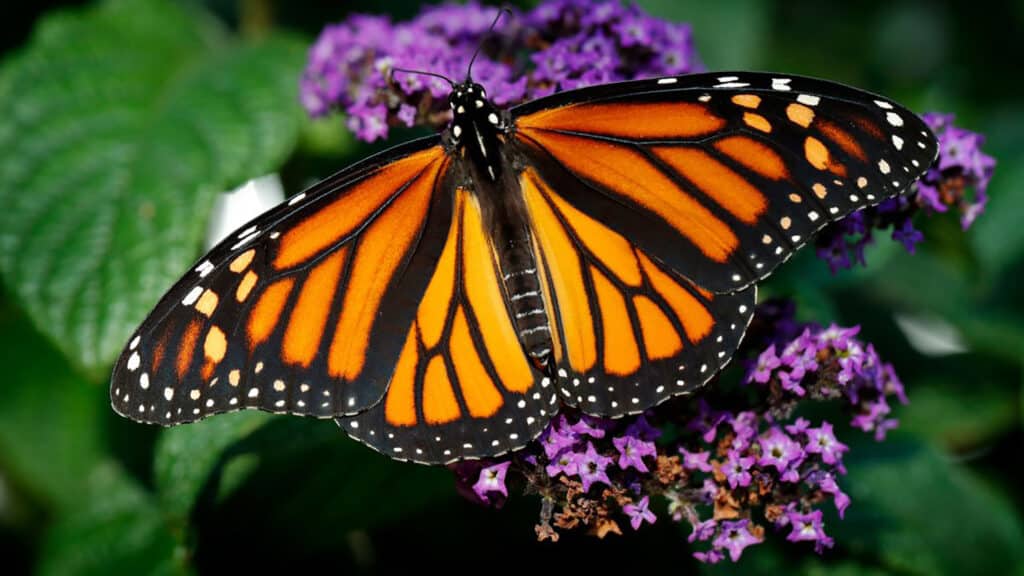
California has joined forces with conservation groups, biologists, and citizen scientists to save the nearly extinct western monarch butterfly. To accomplish this, they are placing their hopes in a poisonous plant called milkweed.
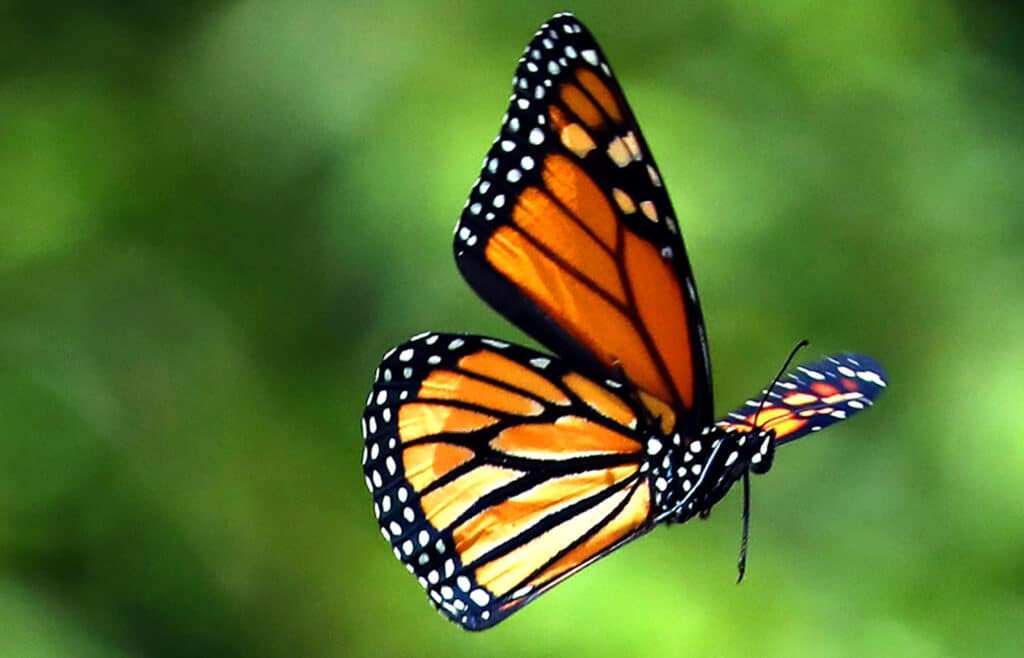
There was a time that monarch butterflies, known for their unique orange and black pattern, flocked to California in the millions. They spent the winter clumped on trees as they migrated to and from the state’s central coast.
Unfortunately, the population has declined from 4.5 million in the 1980s to almost 200,000 in recent decades before taking a swift dive in 2018. That year, the population plummeted to nearly 30,000, and when volunteers counted last November again, it had dropped to less than 2,000 – representing a massive 99% collapse in the previous 30 years.

“It was really grim,” noted Angela Laws, an endangered species conservation biologist from the Xerces Society, which conducted the November population counts using a swarm of volunteers. “It’s alarming that the numbers are so low. But we still have time to save these butterflies,” she added.
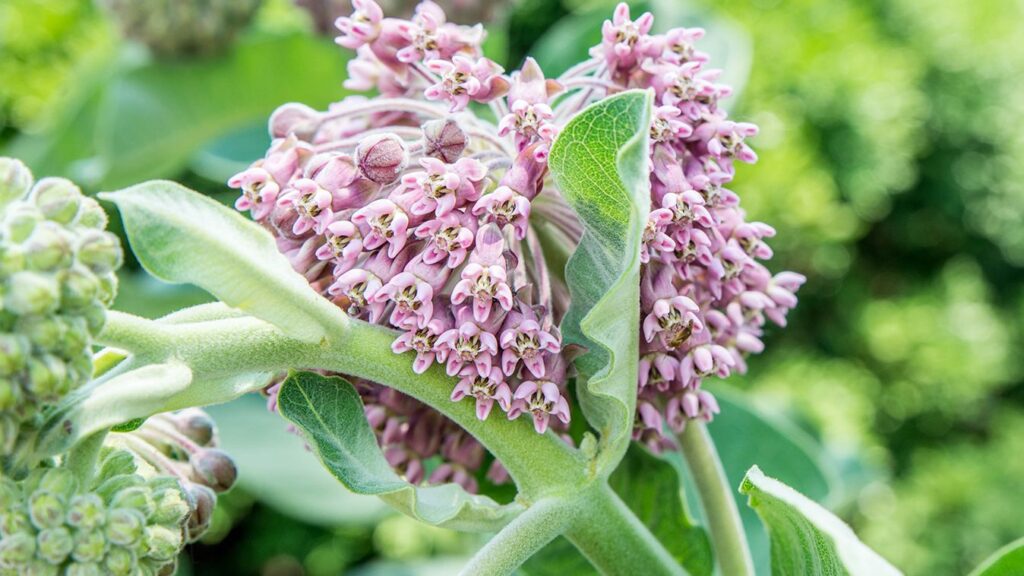
Worried conservationists are scrambling to plant 30,000 native milkweed plants, vital to the butterflies’ life cycle, providing food for monarch larvae. Monarch caterpillars are dependent on milkweed for 14 days of their life cycle. Then, the emerging caterpillars feast on the milkweed, making them poisonous to predators and giving them their bright colors of adulthood. The caterpillars munch through about 30 leaves before transforming into green chrysalises to eventually emerge as beautiful butterflies.
Biologist Hillary Sardiñas, the pollinator coordinator for the California Department of Fish & Wildlife, said:
“Collectively, it’s a lot of great brains trying to figure out what, if anything, we can do. Monarchs are incredibly iconic. It would be horrible to lose these incredible butterflies that have captured people’s imagination for hundreds of years.”

The non-profit River Partners is receiving $1.3 million from the state to restore 240 hectares (595 acres) of monarch habitat along rivers and streams in California. At the same time, biologists are recruiting gardeners, nurseries, and backyard scientists to partake in plantings and cataloging monarch sightings.
While it is not confirmed why the monarch population has collapsed so quickly, scientists suspect that the butterflies might be suffering a “death by a thousand cuts,” claims Sardiñas. There have been thousands of acres of destroyed wildland habitat, where migrating monarchs must pass in their spring and fall migrations. These include their wintering habitats like Pacifica and Pismo Beach and in the agricultural Central Valley of California.
In addition, the increased use of herbicides has also contributed to the reduction of available milkweed for monarchs to lay their eggs. Also, insecticides used in agriculture may harm the monarchs themselves in ways scientists are still trying to understand. Last year, the Xerces Society and the University of Nevada, Reno, conducted a study that analyzed various samples of milkweed from the central valley. They found an average of nine different pesticides on each plant.
Finally, the species may also be facing threats from rising temperatures and heatwaves. Researchers have found that they are emerging from wintering sites earlier in the spring. Unfortunately, though, the milkweed they depend on may not be blooming yet. The immense fires and unusual freezes may also be disturbing their life cycles. “It’s really difficult to pinpoint exactly what is the one thing affecting them most,” said biologist Claire Pavelka, who is working on the project for River Partners.
Pavelka stressed that the problems faced by the monarchs could also be affecting other insect species vital to human survival. “They’ve been likened to a canary in a coal mine. Monarchs are so well studied; they’re really charismatic and really well known. But the fact that they’re declining so fast is probably an indicator that a lot of other pollinators and bees and other butterflies are also declining,” she added.
Cheryl Schultz, a professor of biology at WSU who has studied butterflies in many settings, said butterfly populations are incredibly “bouncy,” varying dramatically from year to year. “Monarchs are resilient. I have lots of hope that they can bounce back,” she said. Schultz will be studying the effects of California’s habitat restoration to see how efficient the techniques are and how they can improve to save even more monarchs.
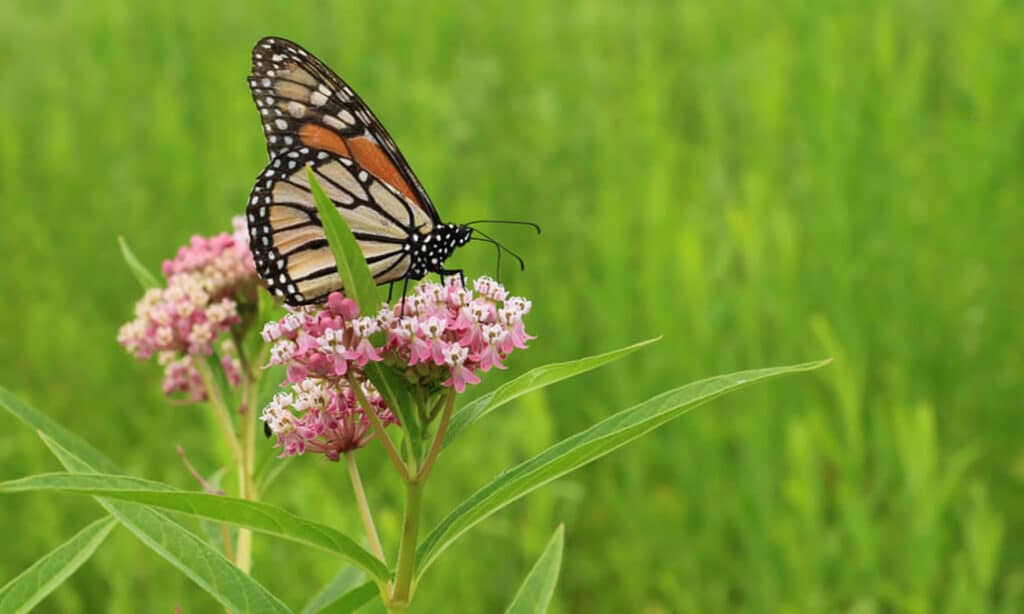
While River Partners are busy planting milkweed in the Central Valley, the organizers are encouraging everyone and anyone to plant milkweed and pollinator-friendly native flowers in their communities, with guides offering tips on which plants to grow. Citizen scientists, who want to contribute, can help study the locations of milkweed and monarchs with the Western Monarch Milkweed Mapper.
California’s efforts to save the declining butterfly species are one of many worldwide. For example, Monarchs in the Rough, a program launched in 2018, has planted milkweed and other pollinator flowers at hundreds of golf courses in the United States, Canada, and Mexico, to save the monarch species. The program helps the golf courses by providing course managers and staff with the technical support and information they need to incorporate monarch habitat on at least one acre per course.
Also, in 2011, the UK’s Butterfly Conservation launched the ‘Dukes on the Edge’ conservation program to save the dwindling Duke of Burgundy butterfly population. Impressively, its population grew 25% between 2010 and 2020, thanks to its conservation efforts.
Another unexpected group of people saving the butterfly species are female prisoners and conservationists in Oregon’s Coffee Creek Correctional Facility. The team began saving the endangered Taylor’s checkerspot butterfly since their program began in 2017. Since then, they have raised and released hundreds of butterflies into the wild. One of the prisoners, Exum, plans to use her experience to begin a career in conservation and give lectures on the importance of the Coffee Creek program when she is released in 2024.
In 2019, aquatic biologist Tim Wong single-handedly began repopulating the iridescent blue California pipevine swallowtail butterflies. Over the years, the butterfly enthusiast has cultivated hundreds of California pipevine plants and planted many nectar-filled plants. As a result, he has reintroduced the butterfly to San Francisco for the first time in decades.
Wong’s actions can teach us all a lesson about how we too can help species such as this butterfly to repopulate all on our very own. Anyone, anywhere, can improve the environment and restore habitat for butterflies. While he does caution that raising butterflies takes a lot of work and an exceptional understanding of each species’ natural history, there are still much more straightforward ways that we can contribute.
All you need to do is start planting some milkweed, flora, and nectar plants native to your area. Do it without pesticides to minimize your impacts on butterflies, their food plants, and other pollinators. You can even think of yourself as a citizen scientist! Monitor the butterflies in your area and pass on your knowledge by educating others about pollinators, conservation, and how they can help too.