
AI is changing the way we create images, videos, and even online personalities. From small business owners to big marketing teams, more people are using artificial intelligence to save time, boost creativity, and stand out on social media. This technology is no longer limited to experts; it’s lowering the barrier for creators to produce high-quality visuals without a large budget or advanced design skills.
AI tools are increasingly serving as your creative partner, whether you’re creating eye-catching ads, entertaining videos, or unique digital characters. This article looks at the top 5 trends shaping AI visual content creation today—and what they might mean for you if you’re trying to keep up, grow your audience, or simply get ahead in a crowded online world.
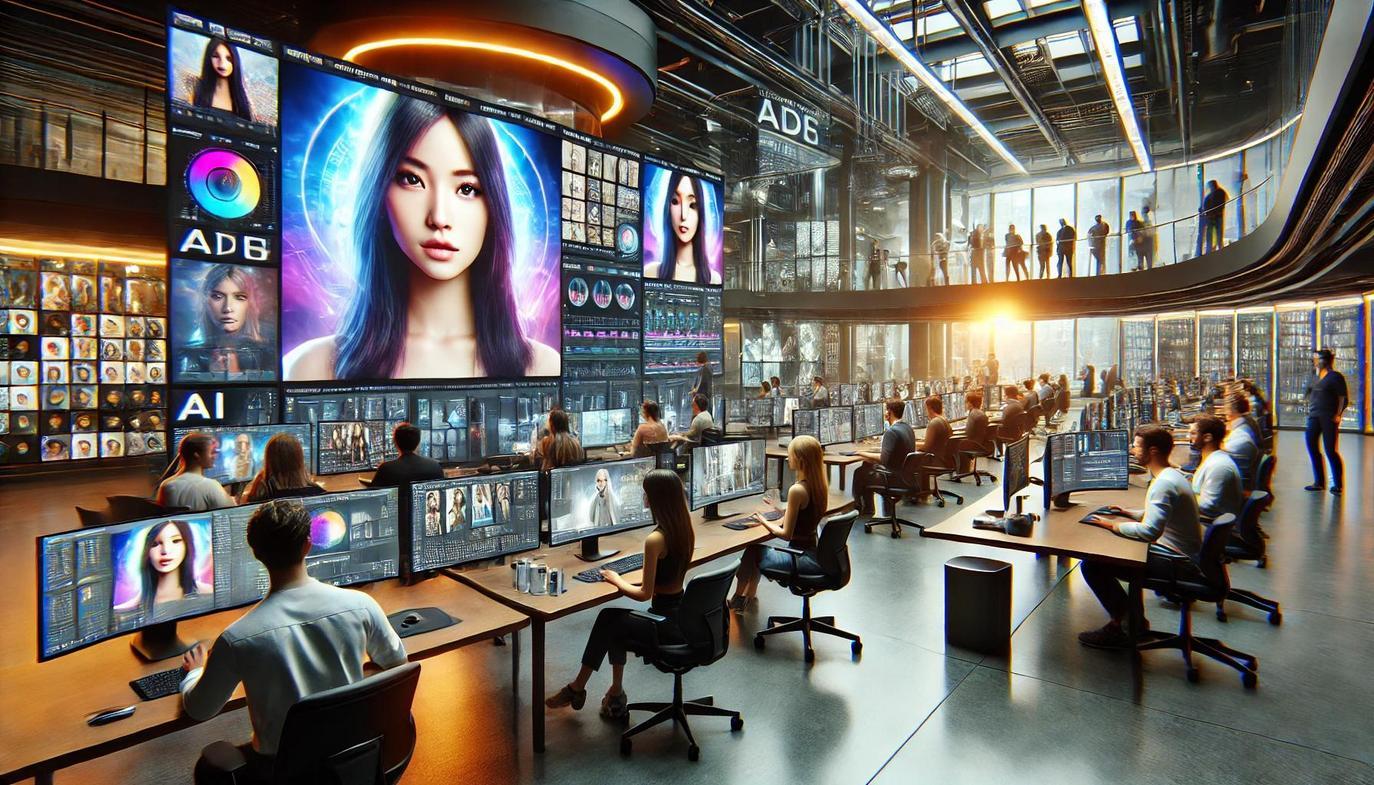
Trend 1: The Rise of AI-Generated Influencers and Avatars
Creating virtual people used to be something only big studios could afford. Now, anyone can build a lifelike digital personality using text-to-image tools like “Create AI Influencer” from services such as Pykaso AI, with just a few prompts and edits. These AI influencers can be used in ads, stories, product showcases, or even customer support.
Some platforms make the process surprisingly simple. You don’t need any special design or animation skills—the software guides you step by step to shape the look, style, and personality of your digital character, allowing you to customize everything, including:
- Hair and clothing styles
- Facial expressions and poses
- Unique backdrops and settings
Once your influencer is ready, you can generate fresh content on demand—new outfits, new backdrops, different poses—all without booking a photoshoot or a studio.
These virtual personalities offer several advantages over their human counterparts:
- 24/7 Availability: They can be used in content anytime, without scheduling conflicts.
- Full Customization: They can be perfectly tailored to fit a specific brand’s aesthetic.
- No Fatigue: They can appear in countless campaigns without getting tired.
Instead of hiring models or actors for every campaign, many brands are now designing their own digital faces that never age and can be reused across channels and seasons. With certain AI tools, you can test multiple influencers simultaneously to see which look or style connects best with your audience, helping you optimize your marketing efforts cost-effectively. For brands and creators alike, this means more flexibility, more creative freedom, and more ways to stand out in a crowded feed.
Here’s a comparison between traditional influencers and AI influencers:
| Feature | Traditional Influencers | AI Influencers |
| Availability | Limited | 24/7 |
| Cost | Medium to High | Low (if created once) |
| Visual Consistency | Varies | Fully controllable |
| Scalability | Limited | Unlimited |
| Creative Flexibility | Low to Medium | Very high |
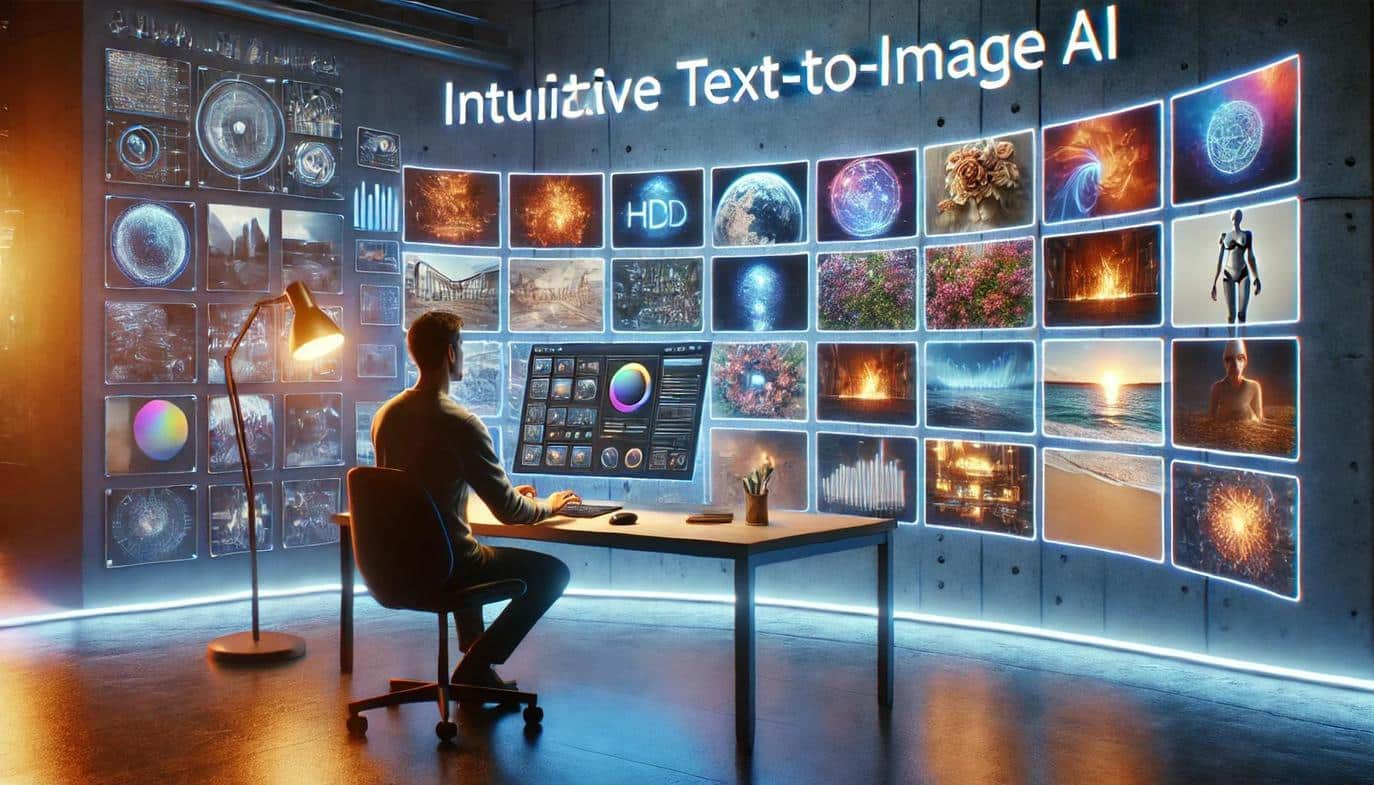
Trend 2: Text-to-Image Generation Becomes More Intuitive
One of the most popular uses of AI is turning words into images. You type in something like “a cat wearing sunglasses on a beach,” and in a few seconds, you get several versions of that idea. These tools, powered by advanced models, are learning to understand not just the words, but the style, tone, and even context of what people want. They can pick up on subtle hints in your prompt—like whether you want something playful, dramatic, or realistic—and deliver visuals that match.
This means you no longer need to be a professional designer to create high-quality images for ads, blogs, or social media posts. It’s becoming an increasingly popular tool for busy marketers, content creators, and small businesses that need fresh visuals without spending hours in editing software. From creating product mockups to eye-catching thumbnails or concept art, text-to-image AI saves time and helps ideas come to life almost instantly. Here’s how the quality changed over time:
| Year | Average Render Time | Realism Score (1–10) | Customization Options |
| 2021 | 30–60 sec | 5 | Basic |
| 2023 | 10–30 sec | 8 | Advanced |
| 2025 | 5–10 sec | 9-10 | Very High |
As quality increases and wait time drops, more people will start using these tools daily, especially for creating memes, product photos, and mood boards.

Trend 3: AI-Powered Design Tools Empowering Non-Designers
AI is making it easier for everyday users to become visual creators. You don’t need Photoshop skills anymore. New tools are empowering users with features that allow them to:
- Drag and drop design elements into place
- Instantly generate custom background images
- Automatically adjust layouts to fit their text
Some platforms, for example, offer easy-to-use design features that feel more like a conversation than software.
Some key reasons why non-designers are turning to AI:
- Saves time and effort on small tasks like cropping, resizing, or background removal
- Helps avoid the cost of hiring freelance designers
- Lets people test multiple versions of the same ad or post quickly
- Offers templates that are good-looking and optimized for engagement
- Gives users a sense of creative control without needing technical skill
These benefits mean that more people than ever can bring their ideas to life without feeling stuck or overwhelmed. Whether you’re a small business owner designing your own flyers or a social media manager juggling daily posts,
Using services like Pykaso AI provides a wealth of design tools that help you stay consistent and professional. And because many platforms keep updating their templates and features, you’re never stuck with the same old look—you can refresh your visuals anytime to keep up with trends or seasonal campaigns. This shift empowers users to create professional-looking visuals efficiently, reducing the need for extensive design resources or large teams.
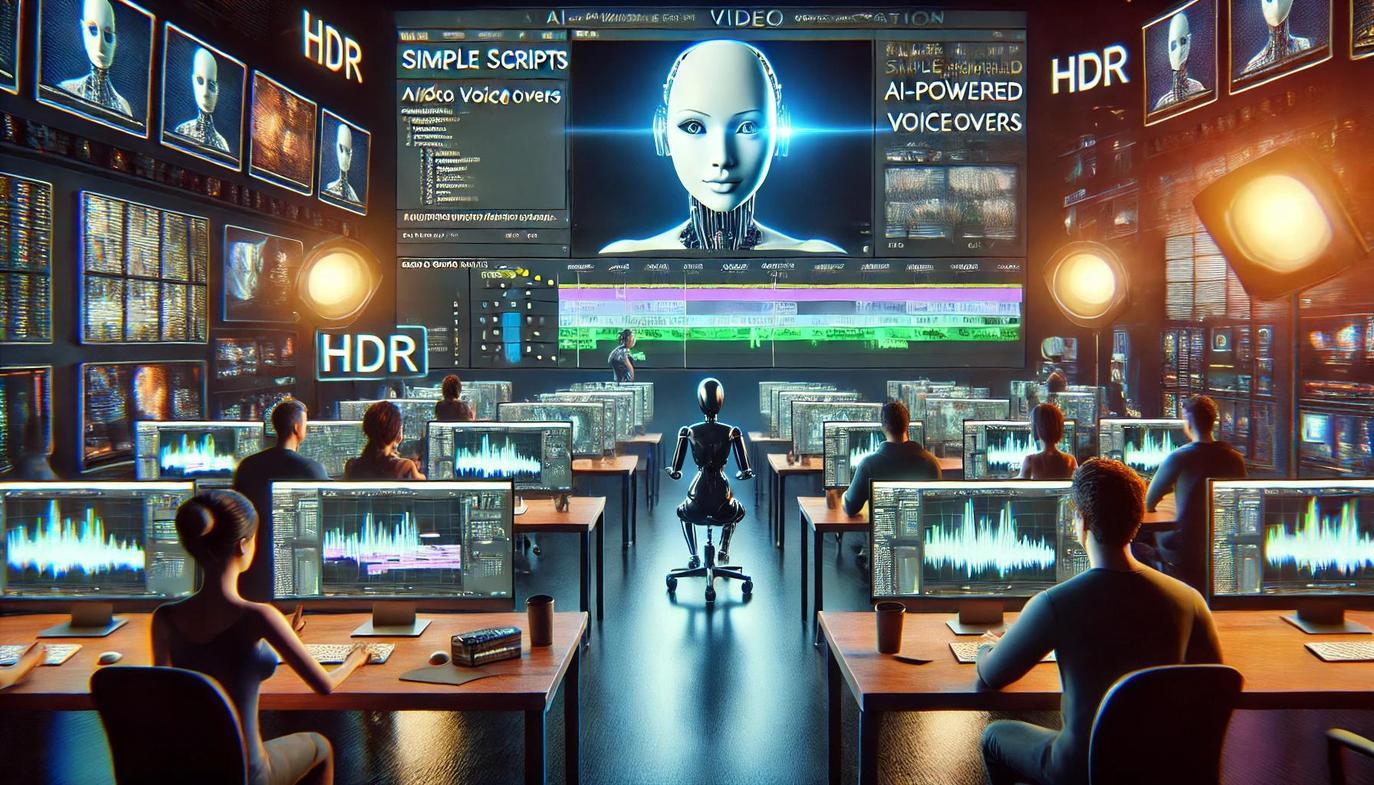
Trend 4: Automated Video Generation from a Simple Script
Historically, video has been one of the most resource-intensive forms of content production. Now, AI is making it significantly more accessible. AI tools can turn a script into a shareable video, complete with:
- AI-generated voiceovers
- Royalty-free background music
- Customizable animated avatars
While it’s not perfect yet, it’s more than enough for explainer videos, short reels, or product intros.
| Use Case | Why It Works Well With AI |
| Explainer Videos | Fast to produce and easy to update |
| Ads for Social Media | Eye-catching visuals + fast edits |
| Internal Team Updates | Quick, no filming required |
| Tutorials & Guides | Can use avatars and simple motion |
As voice cloning and lip-sync tech improve, these videos will start looking more and more like traditional production—without the high cost.
Trend 5: Hyper-Personalized Visual Content at Scale
AI is making personalization possible like never before. Imagine sending thousands of people an image where their name appears on a coffee cup, a billboard, or a t-shirt. AI allows this kind of customization without manually editing each version.
This trend is already being used in:
- Email campaigns with custom images
- Dynamic website banners
- Personalized product previews
- Customized social media shoutouts
- Event invites with personal touches
Personalized visuals lead to higher engagement because people feel more connected to the message. And when AI can automate this at scale, it becomes a powerful tool for both small businesses and large enterprises.
The Evolution of Visual AI Content Creation
The rise of AI is fundamentally changing the creative process, services like Pykaso AI make it more accessible and dynamic than ever before. From generating lifelike virtual personalities to turning simple text prompts into stunning images, these trends are empowering creators at every level. The technology is no longer a niche tool for experts but a versatile partner for anyone looking to bring ideas to life quickly and efficiently.
What’s most exciting is the rapid pace of innovation. The tools available today are just the beginning, and as they continue to evolve, the barrier between imagination and creation will only shrink further. By experimenting with these new technologies, creators can develop a more agile workflow and discover new ways to connect with their audiences. The future of visual content is not about replacing human creativity, but augmenting it.
Frequently Asked Questions About AI Content Creation
Do you need technical skills to use AI visual tools?
No. Most modern AI content creation tools are designed with user-friendly interfaces that don’t require any coding or advanced design skills. They often use simple text prompts or drag-and-drop features to generate visuals.
Can AI-generated content be customized?
Yes. A key trend in AI tools is the increasing level of customization. Users can typically specify styles, colors, layouts, and other details to ensure the final visual aligns with their brand or creative vision.
Is it expensive to use AI for visual content?
While some advanced enterprise-level tools have significant costs, many powerful AI visual creation tools are available for free or through affordable subscription plans. This accessibility is a major reason for their growing popularity among individual creators and small businesses.


