
Effective property management often hinges on the ability to control overhead costs while maintaining the aesthetic and functional value of a landscape. Relying solely on municipal water supplies introduces a variable expense that fluctuates with seasonal demands and local utility hikes, often forcing owners to choose between financial stability and the health of their greenery. Transitioning to a private water source provides a strategic buffer against these external pressures, allowing for consistent property care without the looming threat of a high utility bill.
Securing a dedicated well represents more than just a plumbing upgrade; it functions as a foundational shift in how a property utilizes natural resources. By tapping into local aquifers, owners gain the freedom to implement advanced irrigation schedules and maintain expansive water features that would otherwise be cost-prohibitive. This shift toward self-sufficiency ensures that long-term property goals remain uncoupled from city-wide water shortages or pricing surges, providing a reliable path to sustainable growth.
Mastering your water usage fundamentally shifts how you handle property management. While municipal supplies serve basic needs, they quickly transform into a liability when you’re trying to maintain lush landscapes, fill expansive pools, or run high-demand irrigation systems without tethering yourself to the water meter. An independent source of water flips this equation around.
Choosing to rely on a private well changes your entire operational mindset. You no longer have to worry about a monthly bill that spikes alongside rising summer temperatures or seasonal droughts. This level of autonomy unlocks maintenance standards and property care options that traditional irrigation companies simply can’t match.

Analyzing the Long-Term ROI of Private Water Independence
Property owners frequently balk at the initial costs of drilling a well. A long-term view makes that initial hurdle far easier to surpass, as city water prices continue a steep upward trend. Residential and commercial properties with significant irrigation needs are already feeling the pinch of escalating monthly bills.
After completing your well installation, the primary operational expense shifts entirely to the minimal electricity needed to power the submersible pump. This strategic investment provides a low-cost water supply and functions as sustainable infrastructure that pays dividends for decades through massive utility savings.
Water well drilling provides a well that services the property with an independent water source for years to come. The drilling process involves evaluating the depth of the water table, permits, and pumping infrastructure, which all provide an independent source of water that city systems have no power over any longer.
For properties with specialized landscaping, the financial transition occurs much faster than most owners anticipate. Modern well systems alleviate the high costs associated with intensive water needs, such as:
- Sustaining high-standard flowerbeds during peak summer heat.
- Maintaining productive vegetable patches without utility surcharges.
- Providing consistent moisture to expansive lawn areas and trees.
- Eliminating the heavy monthly premiums typical of municipal rates.
Focusing on these specific savings allows owners to redirect their budgets toward property enhancements rather than basic maintenance fees.
Optimizing Landscape Health with Unrestricted Irrigation Systems
City water comes with practical limitations outside of its operational costs. Urban municipalities often place limits on outside usage in peak demand periods or watering lawns in drought periods.
Owners bound by municipal restrictions often find themselves forced to watch their greenery wither or risk heavy fines by exceeding the tight limitations of a city-managed supply.
Free access to water enables irrigation schedules tailored precisely to landscape health, bypassing restrictive utility windows. Thriving farms and landscapes now benefit from early morning watering as a standard practice rather than a luxury. These deep watering sessions encourage robust root development and ensure consistent vitality across the property.
With a private well, you can engineer complex irrigation networks that cover vast acreage. These systems allow for precision watering schedules tailored to the unique requirements of lawns, flowerbeds, and orchards alike. Conversely, those tied to city water often prioritize their monthly budget over the actual vitality of the landscape.
Engineering Reliable Infrastructure for Decades of Water Security
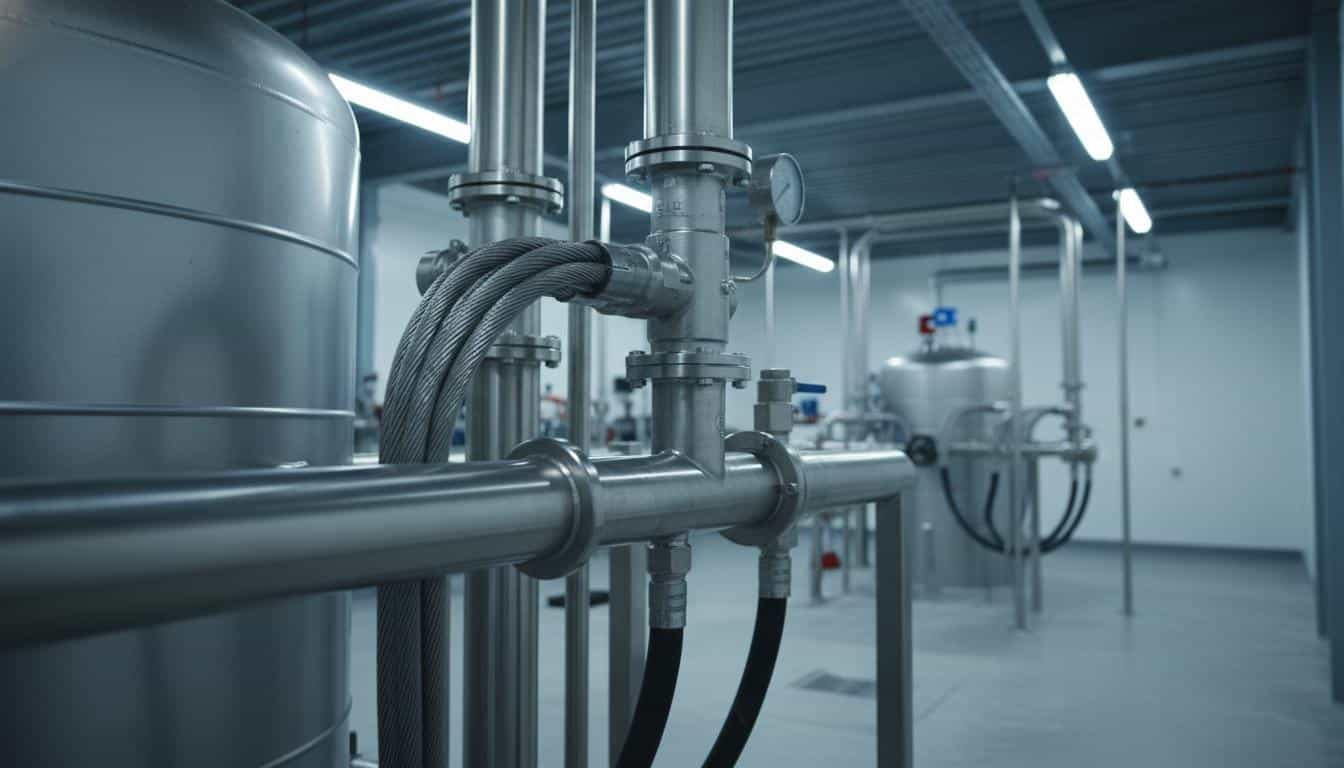
Well drilling does not provide a short-term solution to property management but an actual working piece of infrastructure that property owners can rely on. Well systems, when built correctly, last for decades with minimal maintenance. Reliability remains constant even when the property owner changes.
Superior Water Quality and Consistent System Pressure
Professional well installation provides on-demand water pressure that remains constant every time you activate the system. Unlike municipal networks—which frequently suffer from pressure drops or structural failures—a private well eliminates the need to wait on city crews to address local infrastructure issues.
City supply customers face pressure challenges during peak demand periods. Well customers only face problems when they do not maintain their system.
Private wells frequently offer superior purity compared to chemically treated municipal water. This level of quality is vital in areas where city supplies contain harsh mineral deposits that compromise both plant health and long-term hardware longevity.
The pumping and pressure-management infrastructure integrates seamlessly with existing irrigation hardware, regardless of its age. Once installed, you can count on consistent operational performance without the metered surcharges inherent in municipal utility models.
Increasing Resale Value Through Sustainable Water Autonomy
Real estate prices appreciate existing wells when the time comes to sell parcels of land. Properties that provide their own water supply with wells draw interest from buyers with their eyes on the benefits that come with these systems over time.
The amount of irrigation and landscaping that properties can maintain without worrying about the cost of their supply boosts their value when it comes to selling. Enhanced resilience allows landscaping to withstand periods of drought when city supplies face conservation directives, adding a layer of security for prospective buyers.
Wells also do their job well when city supplies come under threat from pressure challenges, contamination, and outright failure.
Financial Analysis: Calculating Operational Savings and Break-Even Points
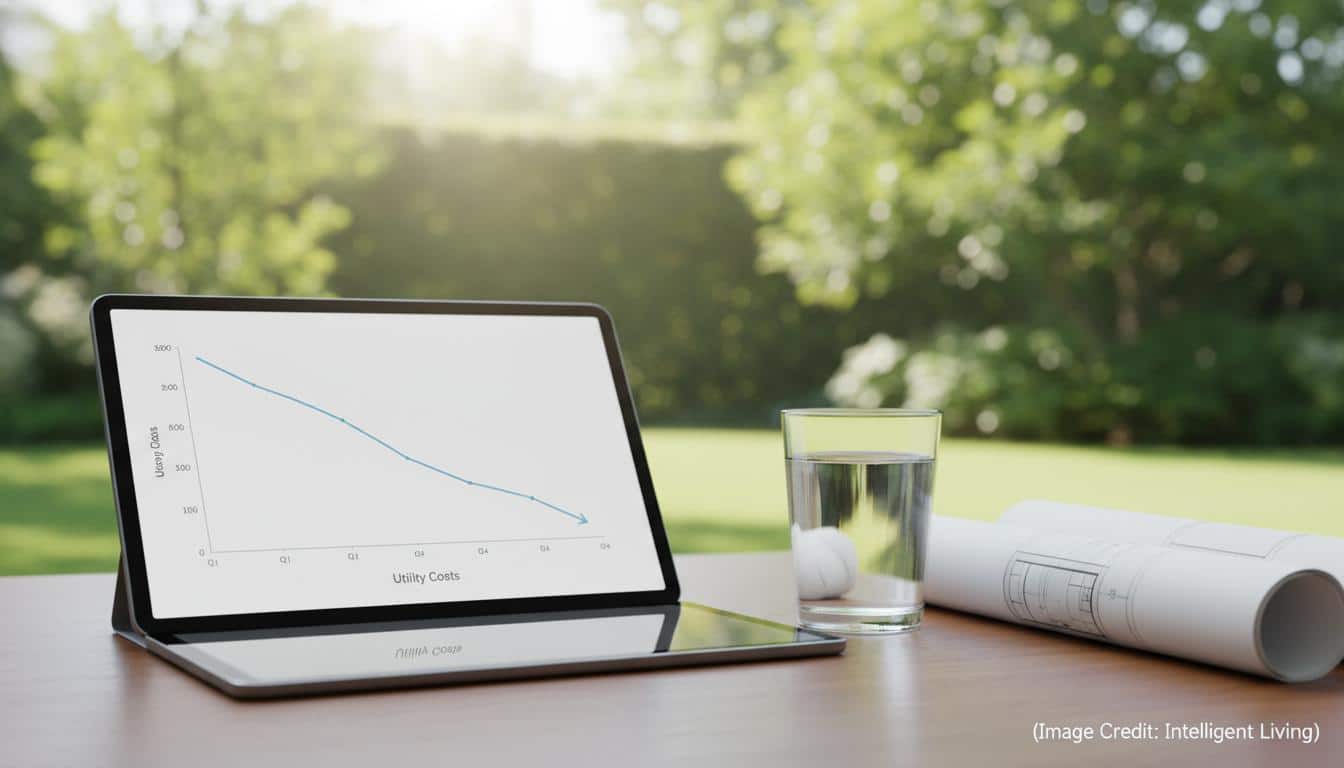
Calculating the break-even point for a well system depends on documented water consumption. While low-usage properties may take longer to recoup initial costs, those with high irrigation demands often see an immediate return on their infrastructure investment.
Minimizing Maintenance Costs and Long-Term Management Fees
Return on investment comes much quicker than property owners expect for residential properties that rely heavily on irrigation to maintain their landscaping and value.
Operational costs for well-sustained properties remain significantly lower than the recurring fees associated with city utilities. Owners only need to manage simple maintenance cycles for their pumps every few years, effectively insulating their infrastructure from commercial utility price hikes.
Properties anticipating future expansion or increased irrigation zones respond far more effectively to independent well systems than municipal supplies.
The decision to invest in a private source should shift away from viewing it as a simple expense. Instead, it represents a strategic opportunity to establish infrastructure that supports multiple property systems for decades.
Securing Long-Term Prosperity Through Water Autonomy
Investing in a private well system solidifies the operational resilience of any property, turning a variable utility requirement into a fixed, manageable asset. The cumulative savings on municipal fees frequently offset the initial installation costs much faster than traditional financial models predict, especially for sites with intensive landscaping or irrigation needs.
Beyond the immediate fiscal relief, the peace of mind afforded by a consistent, high-pressure water supply allows management to focus on long-term growth rather than monthly consumption limits. Enhancing a property with independent water infrastructure significantly boosts its market appeal and overall valuation.
Prospective buyers recognize the immense benefit of a site that remains lush and functional regardless of municipal drought restrictions or infrastructure failures. By prioritizing this underground investment today, owners ensure their land remains a competitive and thriving asset for decades to come, independent of the rising costs and constraints of urban utility networks.
Essential Insights on Private Water Well Integration
1. How does a private well impact property resale value?
Homes and commercial sites with existing wells typically see a significant increase in market appeal due to lower operating costs and water security.
2. What is the typical lifespan of a modern well pump system?
High-quality pumps and pressure tanks generally last between 15 and 25 years when supported by a routine maintenance schedule.
3. Are there restrictions on well water usage during municipal droughts?
Private wells usually remain exempt from city-mandated watering schedules, allowing for consistent irrigation even during peak dry seasons.
4. Can a well system integrate with existing smart irrigation controllers?
Yes, modern well pumps seamlessly connect with automated systems to provide high-pressure water across various zones and schedules.
5. What are the primary maintenance requirements for a property well?
Annual water quality tests and periodic inspections of the pressure tank and electrical components ensure the system runs at peak efficiency.

