
In today’s competitive manufacturing landscape, businesses are constantly seeking ways to cut costs without sacrificing quality. CNC machining services offer a powerful solution by streamlining production processes and minimizing waste. This article explores effective strategies for leveraging CNC technology to improve efficiency and reduce expenses, ensuring manufacturers stay ahead in the game.
Understanding CNC Machining
CNC machining is a manufacturing process that utilizes computer-controlled machines to shape materials like metals, plastics, and wood. This technology employs CNC machines that interpret instructions from CAD (Computer-Aided Design) files or CAM (Computer-Aided Manufacturing) software for precise shaping and cutting.
What Is CNC Machining?
CNC machining involves several critical operations, including milling, turning, and drilling. These processes ensure high precision in manufacturing components. CNC machines operate autonomously once programmed, enhancing efficiency while minimizing human error. Additionally, CNC machining accommodates a range of materials and can execute intricate designs that manual processes may not achieve.
Benefits of CNC Machining in Manufacturing
Precision and Quality
CNC machining guarantees high precision and consistent quality in product manufacture. Parts achieve tight tolerances, essential in industries like aerospace and medical devices. This accuracy ensures that every component meets specific quality standards, which is crucial for safety and functionality.
Efficiency and Speed
CNC machines operate at high speeds, significantly reducing production times. Automation through CNC technology streamlines manufacturing workflows, allowing for rapid prototyping and batch production. This capability increases output and enhances flexibility in responding to market demands.

Cost Factors in Manufacturing
Understanding cost factors is essential for reducing expenses in CNC machining services. Three critical elements influence overall costs: labor, material, and overhead.
Labor Costs
Labor costs play a significant role in manufacturing expenses. Streamlining designs helps minimize these costs. Simplifying part designs limits the need for complex tooling and multiple machine setups. Optimizing designs for manufacturability reduces manual rotation or repositioning. These strategies contribute to decreased labor time, resulting in lower overall costs.
Material Costs
Material costs are another crucial factor in CNC machining. Selecting the right materials ensures both quality and cost-effectiveness. Using standard materials can often reduce expenditures. Careful planning of cuts and minimizing waste improves the value derived from materials. Adopting efficient machining processes also lowers overall material consumption, further decreasing costs.
Overhead Costs
Overhead costs encompass various indirect expenses associated with CNC machining. Efficient operational management is key to reducing these costs. Investing in advanced CNC machines can lead to higher efficiency and less downtime. Regular maintenance prevents costly repairs and operational delays. Additionally, optimizing production schedules ensures that resources are utilized effectively, lowering overhead expenses significantly.
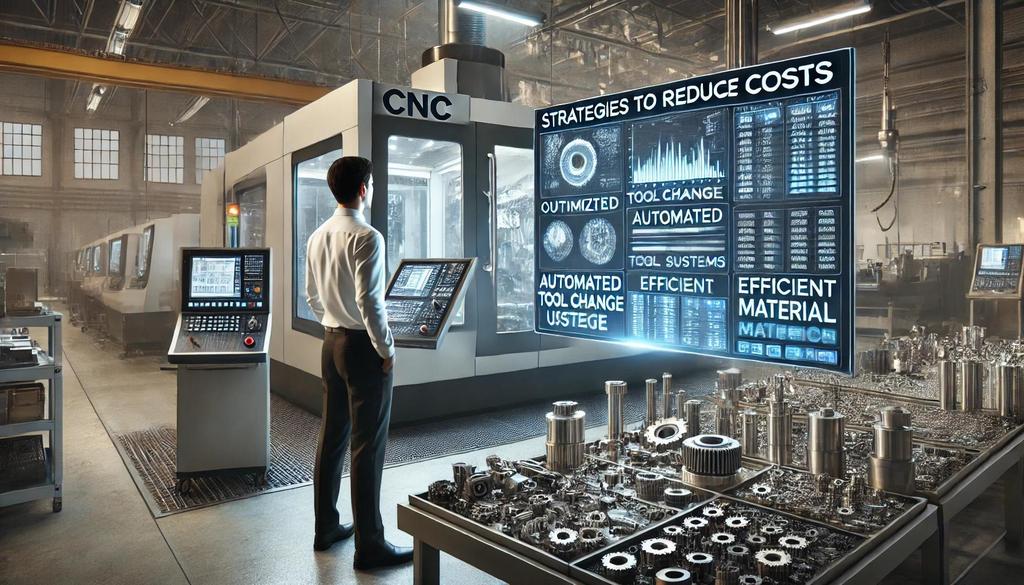
Strategies to Reduce Costs
Effective strategies focused on design, material selection, and automation can significantly lower costs in CNC machining services.
Optimize Design for Machinability
- Rounded Internal Corners: Incorporating rounded internal corners minimizes machining time and reduces the risk of tool breakage.
- Avoid Deep Pockets: Keeping cavity depths to a maximum of four times their diameter helps prevent the need for special tooling or multi-axis CNC systems.
- Limit Use of Tight Tolerances: Applying numerical values only to critical features while using standard tolerances for less significant ones decreases machining complexity and speeds up production.
- Expand Thin Walls: Ensuring thin walls maintain a minimum width helps avoid chatter and distortion, which can hinder machining speeds and inflate costs.
Selecting the Right Materials
- Use Standard Materials: Choosing commonly available materials reduces material costs and availability issues.
- Consider Material Thickness: Selecting the appropriate thickness balances strength requirements and minimizes waste during the cutting process.
- Investigate Material Alternatives: Evaluating different materials for specific applications can yield cost-effective results without sacrificing quality.
- Adopt Advanced CNC Machines: Utilizing cutting-edge CNC machines enhances precision and efficiency, leading to lower operational costs over time.
- Implement CAD/CAM Software: Using Computer-Aided Design (CAD) and Computer-Aided Manufacturing (CAM) software streamlines the design process and reduces errors.
- Use Automated Tool Change Systems: Integrating automated tool change systems minimizes downtime, allowing for faster production cycles and reduced labor costs.
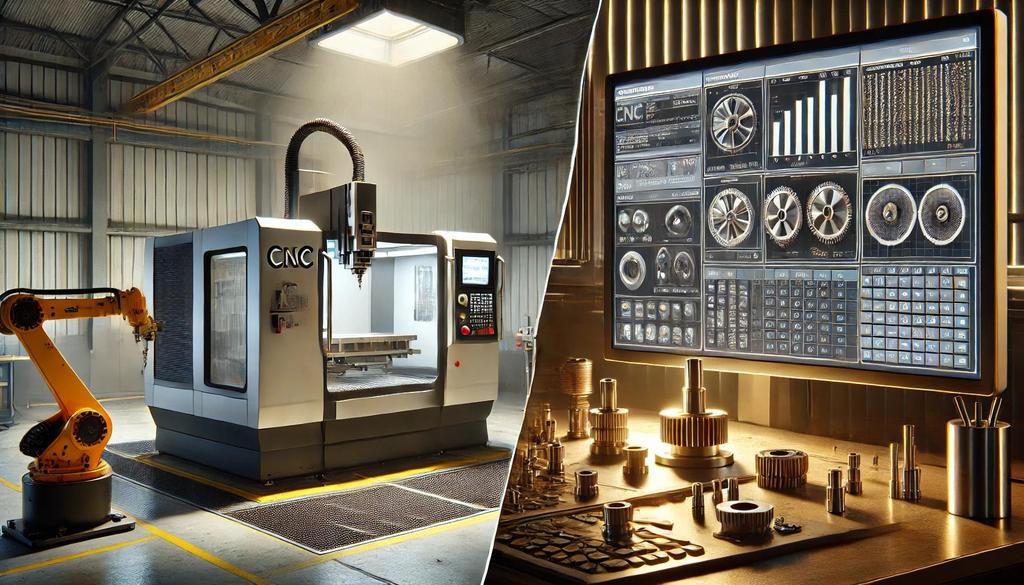
Comparing CNC Machining to Other Methods
CNC machining stands out against traditional manufacturing methods, offering specific advantages that can lead to increased efficiency and cost-effectiveness.
Traditional Manufacturing Methods
Traditional manufacturing methods include techniques such as manual machining, casting, and welding. These methods often require extensive labor input and can lead to higher variability in quality. Manual machining relies on operators to set up and adjust machines, which increases the risk of human error. In casting and welding, the setup times and finishing processes can elongate production timelines, adversely affecting cost. Additionally, traditional methods may not accommodate complex designs as efficiently as CNC machining, leading to longer turnarounds for intricate projects.
Benefits of CNC Over Alternatives
CNC machining offers several benefits compared to traditional methods:
- Precision: CNC machines execute designs with exceptional accuracy. Tolerances of up to ±0.001 inches can be maintained consistently.
- Reduced Setup Times: CNC technology allows for quicker changes to production schedules. This flexibility reduces the downtime associated with manual setups.
- Lower Labor Costs: Automation minimizes the need for extensive manual labor, resulting in lower overall labor costs and fewer errors.
- Complex Parts Handling: CNC machining effectively produces complex geometries. It accommodates intricate designs without significant alterations or retooling.
- Material Efficiency: CNC machining optimizes material use by executing precise cuts with minimal waste. This efficiency translates directly into lower material costs.
These factors illustrate why many manufacturers favor CNC machining for its streamlined processes and capability to adapt to varying production demands.

Reduce Manufacturing Costs with CNC Machining: Strategies for Optimal Efficiency and Sustainable Growth
Embracing CNC machining services can significantly transform a manufacturer’s cost structure. By focusing on design optimization and material selection, companies can achieve substantial savings while maintaining high quality. The automation and precision offered by CNC technology not only streamline production but also reduce labor and overhead costs.
Investing in advanced CNC machines and effective operational management will enable manufacturers to meet market demands swiftly and efficiently. Ultimately, leveraging these strategies positions businesses to thrive in a competitive landscape while ensuring sustainable growth.

