
Plastic is an increasing concern with its inability to degrade, left in piles for years to pollute the earth, and harm wildlife. Humans are even consuming microplastics because plastic is everywhere!
Recently, a 45-year-old South Korean researcher named Hwang Sung-Yeon from the Korea Research Institute of Chemical Technology invented a new type of biodegradable bag that’s extremely strong.
Hwang has researched bioplastics over the past 15 years. “I didn’t have a special motivation when I started my career. Environmental issues were big when I was in school, and I was thinking about what I could do to contribute,” he said.
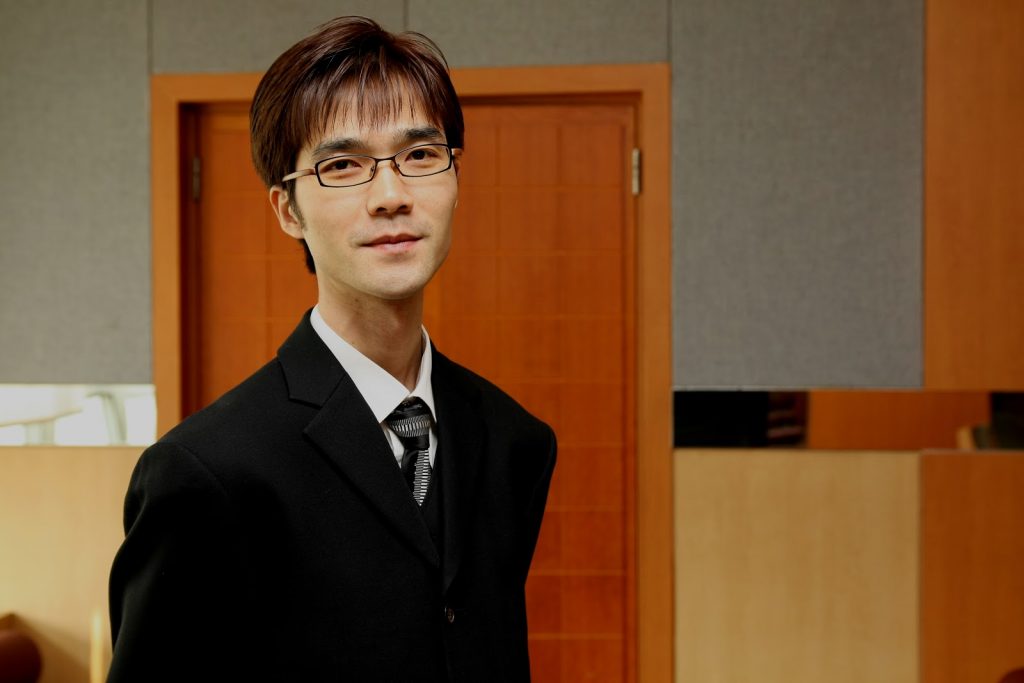
Hwang’s Bio-Plastic Bag
Hwang’s new plastic bags are strong, durable, and decompose very fast.
The researcher attributes the strength and sturdiness of his product to the wood pulp and crab shells he used as stiffeners. These components make the bag much stronger than existing biodegradable bags that are so fragile and easy to tear. Hwang’s new plastic bag has a tensile strength of 65-70 megapascals, which is about as strong as the nylon in parachutes.
Crab shells are an excellent material to use in biodegradable plastic because they’re composed of chitin and chitosan, which are incredibly sturdy, malleable, and robust materials. As a bonus, the crab shell components appear transparent, after processing.
Climate Change
Hwang’s eco-bags are expected to help combat climate change. Existing plastic products are made up of petroleum, coal, and fossil fuels, which are all components that contribute to climate change.
Hwang said:
Climate change requires us to go fossil fuel free. Plastic is all about fossil fuel, and the solution is bioplastic. I am happy to make a contribution.
Biodegradable plastics can break down naturally in the environment, which solves the problem of landfill waste that single-use plastics have caused. Hwang’s plastic bag completely decomposes within six months.
The researcher believes that while scientists can invent bioplastics, it’s up to the governments and businesses to commercialize the bags.
Dangers Of Plastic Pollution

Besides greenhouse gas emissions, plastic is dangerous because it ends up everywhere. Plastic ends up in oceans, harming marine ecosystems and affecting people who eat seafood. There are even microplastics found in the water that we drink.
China is the number one plastic waste producer in the world. China’s Yangtze River, among other rivers, puts out the most significant amount of microplastics, into the ocean. Korea is particularly at risk; its oceans polluted with plastics from both Korea and China.
Hwang acknowledges that plastic was made to improve people’s lives. “It was invented to improve the lives of people, and without them, life would be very tough. I would say plastic was a new civilization. If we have to live without plastic now, it would be like going back to times before the Joseon Dynasty,” he explained.
However, the increasing pollution issue has caused people to take action because the environment and human health are at risk. The researcher is so worried about the plastic’s effects on health that he even stopped eating Yellow Sea shellfish. “I do this as a precaution. Studies have yet to prove the negative effects of plastic on the human body, but my gut feeling says it’s good to stay away from shells even now,” said Hwang.
History Of Plastic
Plastic was invented about a century ago and skyrocketed after World War II as companies started commercializing the product.
It wasn’t until 1997 that the danger of plastic waste in the ocean came to attention. Sailor Charles Jr. Moore discovered a patch of garbage, the size of Texas, in the Pacific Ocean between Hawaii and the western coast of the United States.
Previous Bio-Plastic Products
Hwang and his team previously made another plastic invention using corn with an intense heat resistant property. This plastic is ideal for making baby milk bottles.
Other scientists in the world previously invented bioplastics. However, they didn’t have success commercialize them. Hwang believes policy change is essential for bioplastic products to end up in consumer’s hands.
Hwang explained:
If the government put strict regulations on plastic bags, cups, and straws, it would open a new market for more bioplastic products. When there will be more bioplastic products made by companies, more people will buy them.
Some people say eliminating plastic use doesn’t have to start with the big companies but as an individual. What do you think?


