
Industrial operations depend on precision, visibility, and consistent system control to function efficiently. Supervisory Control and Data Acquisition (SCADA) plays a crucial role in managing these requirements by enabling real-time monitoring and control of electrical instruments, equipment, and devices. It helps industries maintain operational continuity while reducing manual intervention.
As automation continues to expand across sectors, SCADA has become a key component in improving performance and maintaining system reliability. For industries exploring the benefits of SCADA in power systems, it becomes clear how such systems help maintain grid stability, monitor distributed equipment, and ensure efficient energy management. These capabilities make SCADA an essential tool in modern infrastructure.
Let’s understand how SCADA technology is transforming industrial operations.
Centralized Monitoring and Control
SCADA enables centralized supervision by collecting data from various electrical instruments and equipment into a unified system. This allows operators to monitor processes, track performance, and respond to irregularities from a single control point. Such visibility improves coordination across operations.
The SCADA system gathers real-time information through sensors and transmits it to a central interface. By employing this approach, industries can ensure that all devices function in alignment, reducing delays and improving operational accuracy.
Improved Operational Efficiency
Efficiency remains a critical factor for industrial success. SCADA systems provide insights into system performance, helping operators identify inefficiencies and take corrective action promptly. This leads to optimized resource utilization and consistent output.
With SCADA, industries can deploy automated controls to regulate processes and maintain stable performance. These systems help reduce energy waste and improve the functioning of electrical equipment, making operations more reliable and cost-effective.
Enhanced Fault Detection and Maintenance
SCADA systems continuously monitor equipment and detect faults in real time. This early detection helps prevent equipment failure and minimizes downtime, which is essential for maintaining productivity.
By using SCADA, maintenance teams can adopt predictive maintenance strategies rather than relying on reactive repairs. This approach ensures that electrical devices are serviced before issues escalate, extending their lifespan and improving system reliability.
Data-Driven Decision Making
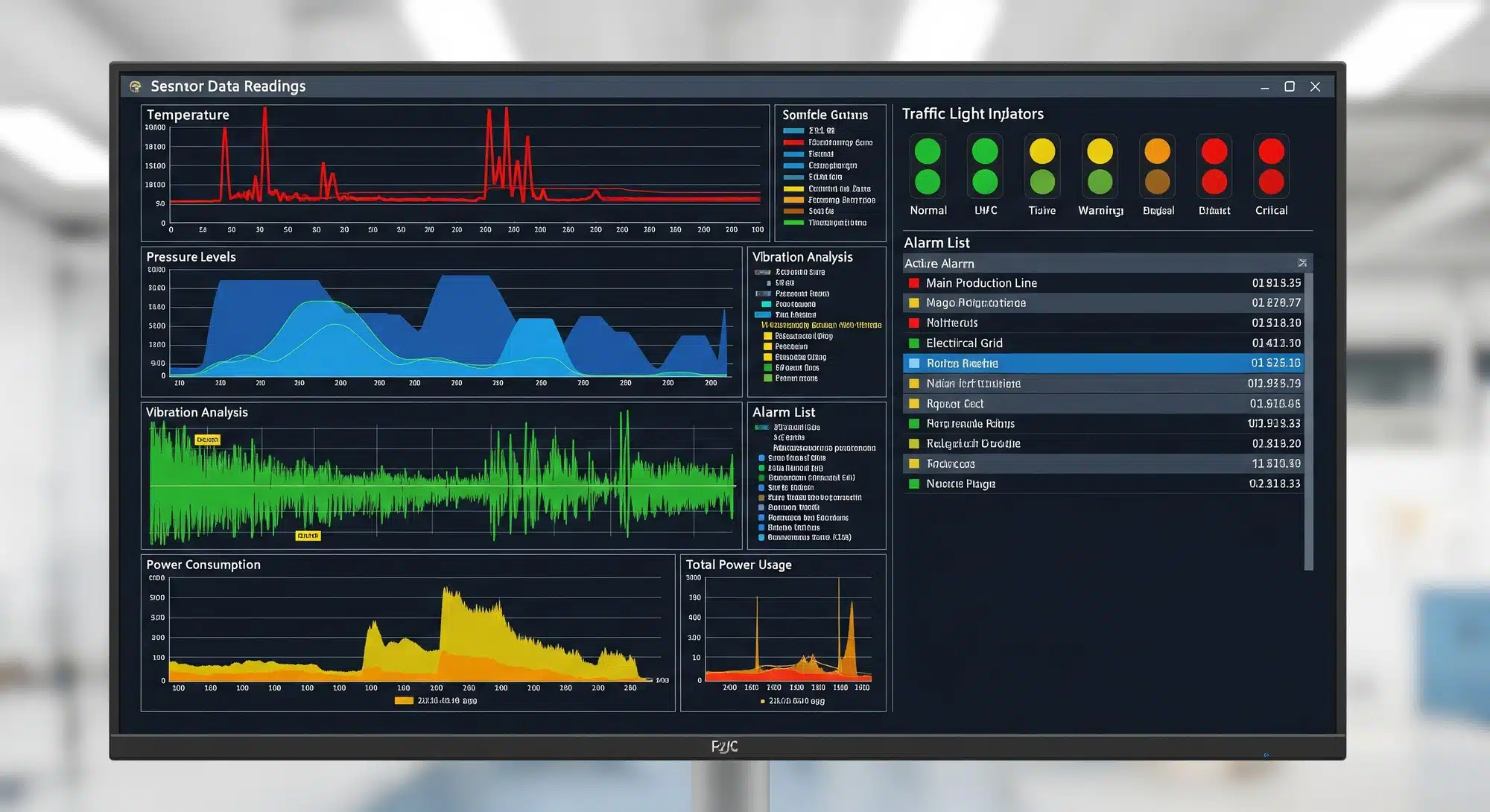
Industrial environments generate large amounts of operational data. SCADA systems collect and organize this data, allowing operators to analyze trends and make informed decisions. This improves planning and enhances overall system performance.
The SCADA platform presents data in a structured format, enabling industries to incorporate insights into their operational strategies. This leads to better management of electrical instruments and more effective use of available resources.
Remote Access and Control
With industrial operations spread across multiple locations, remote access has become essential. SCADA allows operators to monitor and control systems from distant locations, ensuring quick responses to operational issues.
By deploying SCADA, organizations can manage equipment and devices without being physically present on site. This reduces the need for manual supervision and enhances operational flexibility, especially in large-scale facilities.
Integration with Advanced Technologies
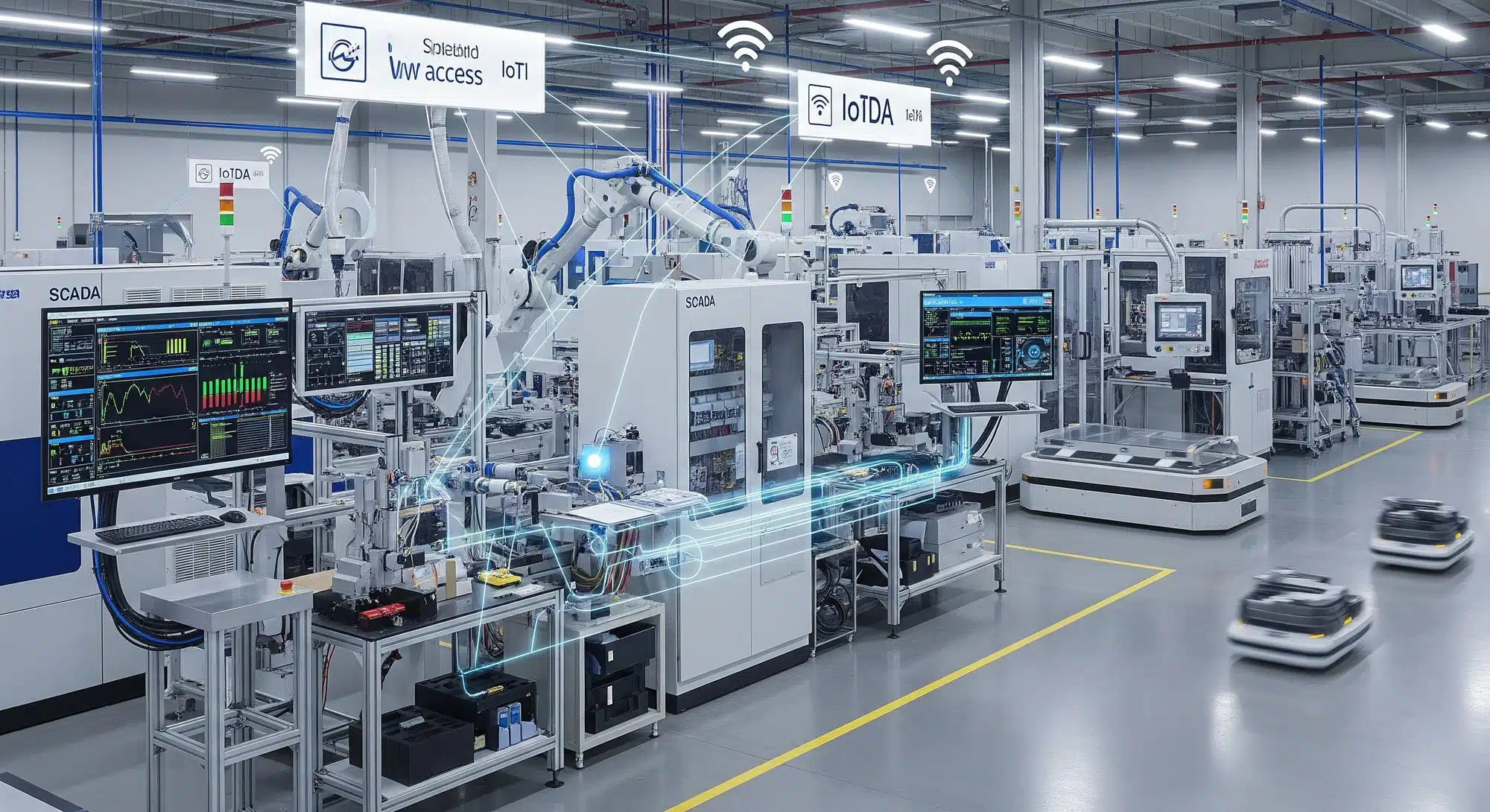
SCADA systems can integrate with modern technologies such as the Internet of Things (IoT) and advanced analytics tools. This integration enhances system capabilities and provides deeper insights into operational performance.
The SCADA system works alongside connected devices to deliver accurate and actionable data. By incorporating these technologies, industries can improve monitoring precision and enhance control over complex systems.
Take the Next Step in Transforming Industrial Operations with SCADA
SCADA continues to redefine industrial operations through enhanced monitoring, precise control, and improved efficiency. Its ability to manage electrical instruments, support automation, and deliver real-time insights makes it a critical component for industries aiming to improve performance and reliability. From strengthening system visibility to enabling predictive maintenance, SCADA empowers organizations to operate with greater confidence and control.
To fully unlock these advantages, it is essential to deploy high-quality equipment and collaborate with a reputable electrical brand that offers dependable devices and technical expertise. The right partnership ensures seamless implementation, consistent system performance, and long-term operational stability.
By taking a strategic approach to SCADA adoption, industries can build resilient infrastructure, improve efficiency, and drive sustained growth.


