
The retail landscape is undergoing a significant transformation, driven by changing consumer expectations and technological advancements. Traditional shopping—characterized by a linear process of selecting a product and paying—is increasingly being replaced by experiential retail. Modern shoppers often seek engagement, looking for environments that offer sensory stimulation and personalized interaction. To meet these demands, retailers are adopting modern fixtures and smart technologies that go beyond simple storage to become active participants in the shopping journey.
From reactive commercial displays that highlight products to shop shelving that integrates data-driven insights, these innovations are becoming more accessible to businesses of all sizes. While large international chains were early adopters, small boutiques and independent shops are now utilizing these tools to improve efficiency and customer engagement. The following sections explore how these smart fixtures and sensory elements are being integrated into the future of retail design.
What Are Smart Shelves?
A smart shelf is an integrated system designed to monitor inventory and customer interactions in real-time. By utilizing weight sensors, cameras, or RFID tags, these shelves can detect when a product is removed or replaced. This data is then transmitted to a central system, providing retailers with immediate insights into stock levels and consumer behavior without the need for manual checks.
As adoption grows and technology costs decrease, smart systems have become more affordable for smaller businesses. For example, entry-level commercial displays with basic sensor technology can now be implemented with relatively modest investments. Morgan Stanley research indicates that these decreasing costs are a primary driver in the widespread adoption of retail technology across various sectors.
The practical applications of this technology are diverse. Some retailers use sensor data to identify products that are frequently handled but rarely purchased, allowing them to adjust pricing or placement based on actual customer engagement. In other cases, smart shelves can automate the restocking process by sending notifications when inventory is low, reducing the occurrence of empty shelves and missed sales opportunities.
The Integration of Sensory Experiences
Beyond digital data, retailers are focusing on multi-sensory experiences to create a more memorable atmosphere. By engaging touch, sound, and smell, stores can foster a stronger connection between the consumer and the brand.
Tactile Engagement and Open Displays
The sense of touch plays a vital role in the purchasing decision. Many modern commercial displays are designed to encourage interaction, moving away from locked glass cases toward open shop shelving. This approach allows customers to feel the weight, texture, and quality of a product directly. Some retailers have reported that removing barriers to physical interaction can lead to increased trust and higher conversion rates.
Curated Soundscapes
Audio elements are also being used more strategically to influence the shopping environment. Rather than general background music, stores may use curated soundscapes that align with their brand identity—such as calming acoustic music in a bookstore or energetic tracks in an athletic wear shop. Strategic audio can help define different sections of a store, potentially encouraging shoppers to spend more time exploring various departments.
Scent Marketing
Olfactory elements are another powerful tool in retail design. Scent diffusers can be used to distribute subtle aromas that evoke specific feelings, such as a clean linen scent in a clothing store or a woodsy aroma in a furniture showroom. Some studies suggest that consistent, pleasant scents can improve customer perception of product quality and increase the likelihood of a purchase. Commercial scent diffusers allow for safe and adjustable delivery of these aromas.
Digital Displays and Dynamic Pricing
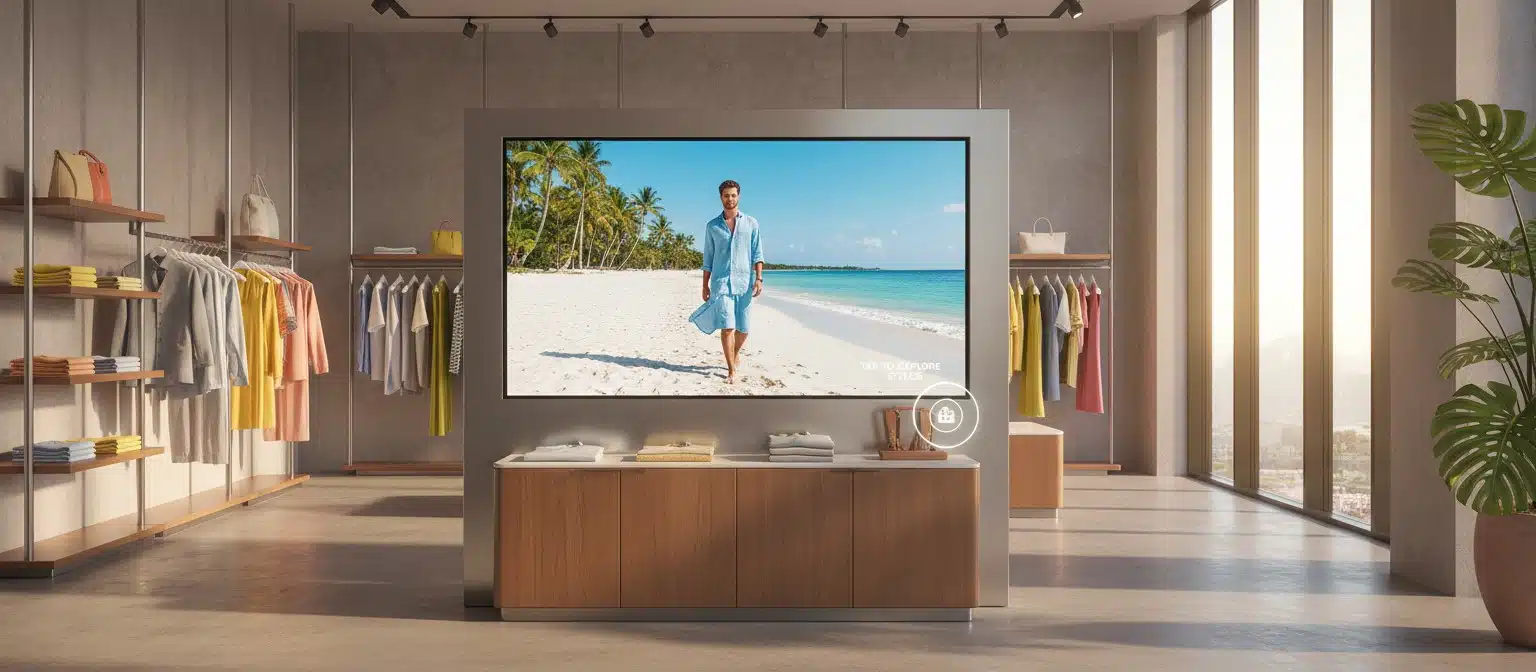
Digital displays are increasingly replacing traditional paper signage, offering greater flexibility and efficiency. Small screens integrated into shop shelving, often referred to as digital shelf labels (DSLs), allow for near-instant updates across thousands of items.
This technology significantly reduces the labor required for price changes and promotional updates. Instead of manually replacing paper tags, staff can focus on customer service. Furthermore, digital displays can be used to show more than just a price; they can feature product videos, origin stories, or technical specifications. For instance, a wine merchant might use small screens on commercial displays to show footage of a vineyard, providing context that can influence a customer’s choice.
Social proof can also be integrated directly at the point of sale. By displaying real-time customer reviews or star ratings on screens next to products, retailers can build immediate credibility and assist shoppers in their decision-making process.
Interactive and Responsive Fixtures
Interactive displays represent the next level of engagement, responding directly to customer actions. These fixtures can provide personalized recommendations or allow customers to visualize products in different contexts. This shift toward high-tech personalization mirrors the digital world, where AI-driven chatbots are redefining online retail by providing a seamless bridge between digital assistance and physical store experiences.
Examples of this technology include smart mirrors that allow shoppers to see how an outfit looks in different lighting or “virtual try-on” stations for cosmetics. In furniture or home improvement stores, interactive shop shelving might include tablets that help customers calculate room dimensions or visualize how a specific paint color would look on their walls. These tools not only enhance the customer experience but can also lead to a reduction in returns by helping shoppers make more informed choices.
Additionally, every interaction with a responsive display provides valuable data. Retailers can track which colors, sizes, or features are searched for most frequently, allowing them to tailor their inventory to meet actual demand.
Adaptive and Product-Focused Lighting
Lighting is no longer a static element in store design; it is increasingly becoming adaptive. Modern systems can change brightness and color temperature throughout the day to match the time or the desired mood. For example, a store might use bright, energizing light in the morning and transition to warmer, more relaxed tones in the evening.
Lighting can also be integrated directly into fixtures like shop shelving. LED strips placed under shelves can be programmed to light up when a customer approaches, drawing attention to specific products and encouraging interaction. Using colored lighting to distinguish different sections—such as cool blue for beverages or warm tones for home goods—can also help guide the customer’s journey through the store more intuitively.
Modular and Flexible Shelving Systems
The need for adaptability has led to the rise of modular shop shelving. These systems are designed to be easily reconfigured, allowing retailers to change their floor plan quickly to accommodate new inventory or seasonal themes.
Some advanced retail environments have even experimented with motorized shelving that adjusts its height based on the target demographic. More commonly, however, modularity is achieved through the use of wheels, lightweight materials, and quick-release brackets. Regularly updating a store’s layout can keep the environment feeling fresh for frequent visitors, creating a sense of discovery that can encourage repeat business.
Leveraging Data from Smart Fixtures
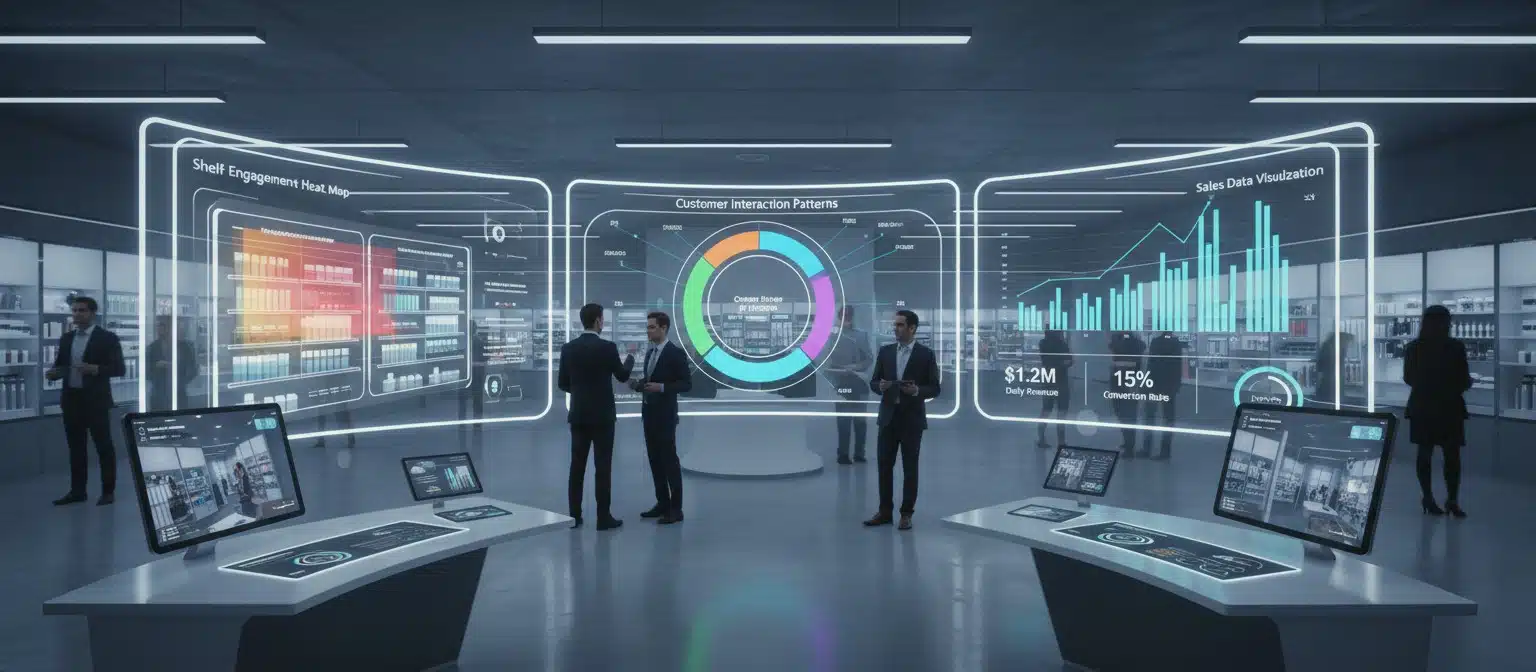
The primary benefit of integrating technology into retail fixtures is the wealth of data it generates. According to Deloitte’s 2026 retail industry outlook, AI and data analytics are now central to reshaping retail operations. Furthermore, advancements in computer vision are transforming retail by providing deep insights into customer movement and product engagement.
By analyzing which products are touched most often or where customers spend the most time, retailers can make data-driven decisions about store layout and inventory. For example, if data shows that a particular item is frequently handled but rarely bought, it may indicate a problem with the price or the product itself. Conversely, high-engagement items can be moved to more prominent locations to maximize visibility.
Implementing these systems does not require a complete overhaul. Many retailers start with a single smart shelf or a basic set of sensors to begin gathering data. This incremental approach allows businesses to learn from the insights provided and make informed adjustments over time.
Aesthetics and Technical Integration
For smart fixtures to be effective, they must be integrated seamlessly into the store’s aesthetic. High-tech sensors and digital screens should not detract from the overall design of the environment. Retailers often use the following strategies to balance technology with decoration:
- Cleanliness: Ensuring that commercial displays and sensors are kept free of dust to maintain both appearance and functionality.
- Cable Management: Using hidden channels or decorative covers to conceal the wiring required for digital shelves and lighting.
- Natural Materials: Incorporating wood, stone, or greenery around smart fixtures to soften the technological feel and create a more comfortable environment for shoppers.
A well-designed store combines futuristic functionality with a warm, inviting atmosphere, making the technology feel like a natural part of the shopping experience rather than an intrusion.
Conclusion
The future of physical retail lies in its ability to offer experiences that cannot be replicated online. By integrating smart shelves, sensory elements, and data-driven fixtures, brick-and-mortar stores can create dynamic environments that engage customers on multiple levels. While the technology continues to evolve, the goal remains the same: to create a space that feels responsive, informative, and inviting for every shopper.

