
Buying custom linen curtains doesn’t have to be overcomplicated. The secret to getting them right—without wasting money or ending up with curtains that look awkward—is focusing on five key things: accurate measurements, quality linen fabric (180–250 GSM is golden), the right lining for your privacy and light needs, a heading style that fits your decor, and a trustworthy brand. Skip any of these, and you’ll likely end up with curtains that hang lopsided, fade fast, or fail to block morning light in your bedroom. But nail them? You’ll have window treatments that elevate your home, last for years, and feel like they were made just for you—because they are. When it comes to custom linen curtains that check all these boxes, quality and sustainability are key priorities for any homeowner.
Why Custom Linen Curtains Beat Ready-Made
Many homeowners have experienced the frustration of buying ready-made curtains only to find they are too short, too narrow, or made from flimsy fabric. Custom linen curtains fix those issues, though they represent a more significant investment. Let’s break down why they’re worth it and when you might want to stick to ready-made options.
The Linen Advantage: Durability, Breathability, and Timeless Style
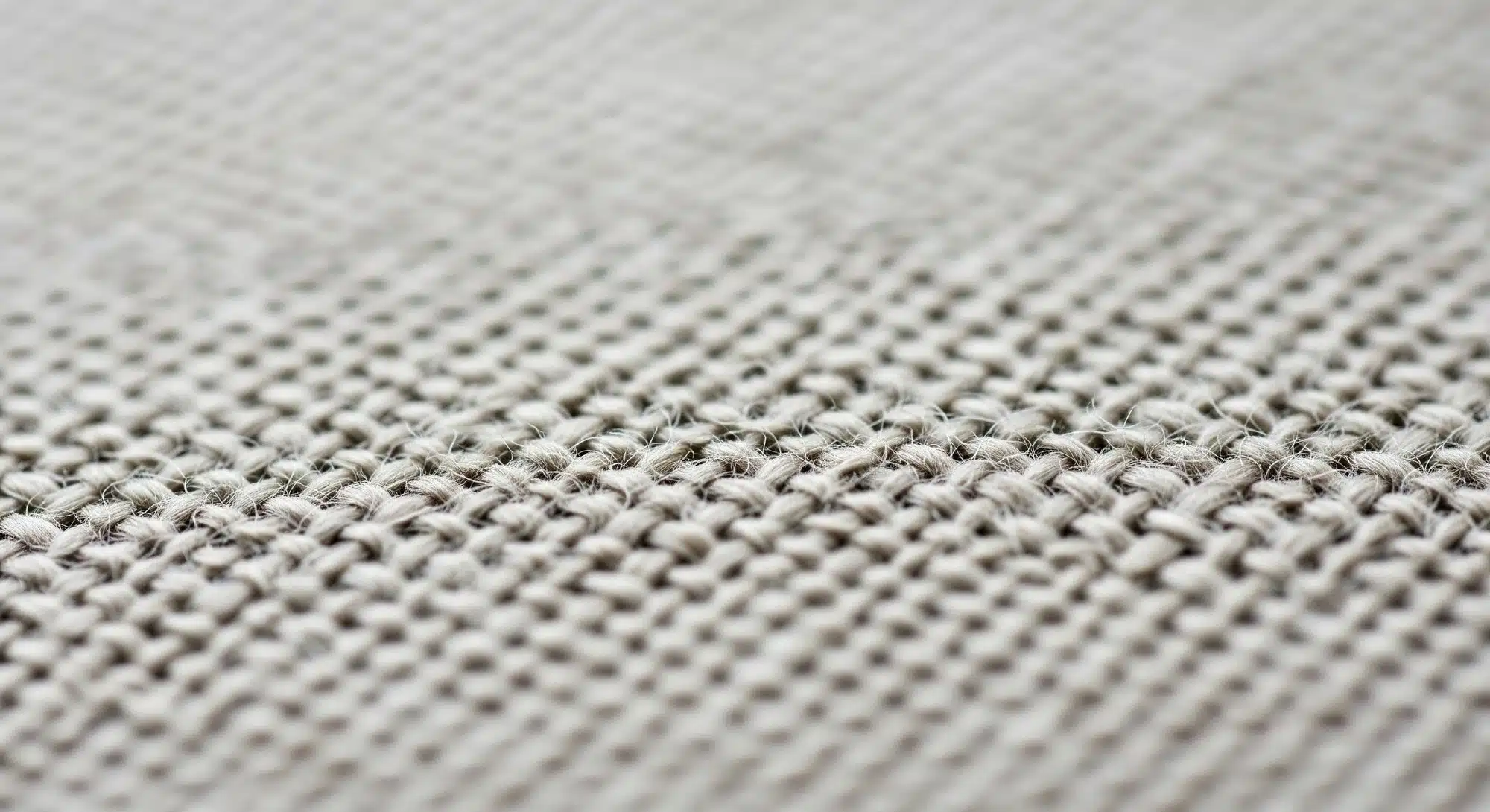
Linen is derived from the flax plant, making it 100% natural, biodegradable, and eco-friendly—ideal for creating a sustainable home. It is also incredibly durable; a well-made linen curtain can last up to 15 years with proper care, significantly longer than synthetic alternatives. Linen’s breathability helps keep rooms cool in the summer while adding a cozy layer in the winter. The aesthetic of linen, with its soft, textured look, feels lived-in yet elegant. While it does wrinkle, those subtle creases give it character, making a space feel warm and inviting rather than sterile.
Custom vs. Ready-Made: Key Differences for Your Space
Ready-made curtains are convenient but often “one-size-fits-none.” For non-standard window sizes—such as extra-wide living room windows or tall bay windows—ready-made options often feel like a compromise. Custom curtains, on the other hand, are tailor-made to exact measurements—no gaps or awkward lengths. They also allow for the selection of every detail, including fabric weight, lining, heading style, and color.
When Ready-Made Might Be a Better Fit
Ready-made may be a better fit for those on a very tight budget with standard-sized windows (typically 36–48 inches wide). However, ready-made linen is often lower quality, which can lead to faster fading and poor draping. Investing in custom curtains often saves money in the long run by reducing the frequency of replacements.

Essential Factors to Consider Before Ordering Custom Linen Curtains
Success with custom linen curtains depends on several technical details. Nailing these factors before placing an order is essential to avoiding common pitfalls.
1. Measure Like a Pro
The most frequent mistake when buying custom curtains is incorrect measurement. Even a single inch can disrupt the visual appeal of the treatment.
How to Measure Width Correctly
Measure the area the curtains should cover, not just the window frame. For a full look, a curtain rod should extend 4–6 inches past the frame on both sides. To achieve proper fullness, the total fabric width should be 1.5 to 2 times the length of the rod. For example, a 60-inch rod requires 90–120 inches of fabric total.
How to Measure Length for Different Styles
Length determines both style and functionality. Common choices include:
- Floor-grazing: Curtains that just touch the floor for a clean, modern look.
- Puddled: Curtains that pool 2–4 inches on the floor for a luxurious, formal feel.
- Above the floor: Curtains ending 1–2 inches above the floor, ideal for high-traffic areas with pets or children.
Always measure from the rod rather than the window sill to ensure the height is accurate.
2. Linen Fabric Quality: What to Look For
A “100% linen” label does not always guarantee high quality. The sustainability and performance of the fabric depend on its source and weight. According to Ecolife, the flax plant’s low water needs and minimal reliance on synthetic inputs make it one of the most eco-friendly textiles available.
GSM Weight: Why 180–250 GSM Is Ideal for Curtains
GSM (grams per square meter) measures fabric thickness. For linen curtains, 180–250 GSM is the standard for quality. Fabrics below 180 GSM are often too sheer and prone to excessive wrinkling, while those above 250 GSM can be too heavy and stiff for standard curtain rods. This mid-range weight ensures a beautiful drape and sufficient light filtering.
3. Lining Options: Privacy, Light Control, and Longevity
Lining affects privacy, light control, and the lifespan of the fabric by protecting it from UV damage.
Unlined Linen: Best for Bright, Low-Privacy Spaces
Unlined linen is sheer and airy, softening sunlight into a warm glow. It is ideal for sunrooms or kitchens but offers minimal privacy at night and less protection against UV fading.
Cotton Lining: Balance of Breathability and Structure
Cotton lining provides a happy medium, adding structure and blocking approximately 30–40% of light. This is a popular choice for living and dining rooms.
Blackout Lining: Perfect for Bedrooms and Media Rooms
Blackout lining is essential for total light control, blocking 100% of incoming light. It also provides thermal insulation and some noise reduction, though it adds significant weight to the curtain panels.
4. Heading Styles: How They Change Your Curtains’ Look and Function
The heading style drastically changes the aesthetic and operation of the curtains:
- Grommet: Modern and casual, easy to slide.
- Pinch Pleat: Formal and elegant with crisp folds.
- Rod Pocket: Classic and cozy for a cottage-style look.
- S-Fold: Luxurious, soft, and even folds, ideal for modern spaces.
5. Color and Pattern: Match Your Space Without Clashing
Choose colors that complement existing decor. Neutral whites and beiges add warmth to light-colored walls, while muted tones like sage green can provide a subtle pop of color. Subtle patterns like stripes work best with linen’s natural texture.
Common Mistakes to Avoid When Buying Custom Linen Curtains
Avoid these common errors to ensure satisfaction with your purchase:
- Skipping fabric samples: Always order samples to see the color in your specific lighting.
- Measuring wrong: Double-check all measurements before ordering.
- Choosing the wrong lining: Ensure the lining matches the room’s privacy needs.
- Going too thin on fabric: Stick to the 180–250 GSM range for durability.
- Forgetting about curtain rods: Ensure the hardware can support the weight of the fabric and lining.
Conclusion: Your Perfect Custom Linen Curtains Are Within Reach
By focusing on accurate measurements, quality fabric, and the right lining and heading styles, you can find curtains that elevate your home for years. Linen’s natural beauty and sustainability make it an excellent choice for any window treatment.
Q1: How often do I need to wash custom linen curtains?
Linen is low-maintenance and generally only needs washing 2–3 times a year. Machine wash on a gentle cycle with cold water and hang to dry or tumble dry on low. Ironing on low heat can remove heavy wrinkles, though many prefer the natural textured look.
Q2: Can custom linen curtains work for small windows?
Yes. Custom curtains can be tailored to fit small windows exactly, preventing excess fabric from making a small space feel cramped. Light colors and unlined or cotton linings are recommended to keep the area bright.
Q3: Are custom linen curtains worth the extra cost?
While ready-made curtains are cheaper upfront, they often lack the quality and fit of custom options. Custom linen curtains are a long-term investment that provides better aesthetics and durability.
Q4: Can I get custom linen curtains in bold colors or patterns?
Yes. Many custom linen curtain providers offer a wide range of colors and subtle patterns. It is recommended to stick to subtle patterns to avoid clashing with the natural texture of the linen fabric.
Q5: How long does it take to get custom linen curtains?
Most custom orders are produced within five to seven business days. Shipping times vary, but many providers offer expedited delivery options.


