
Emergencies strike without notice. A colleague might start choking during a lunch meeting, or a parent could collapse from cardiac arrest at a family gathering. Research from the American Heart Association indicates that over 350,000 out-of-hospital cardiac arrests occur annually in the United States, with approximately 73.4% happening in private homes. Knowing how to respond in those critical first minutes often determines whether someone survives; immediate CPR can double or triple a victim’s chance of survival. CPR and first aid certification programs equip people with practical skills to stabilize victims before paramedics arrive. This article explains what these courses actually teach, who benefits most from certification, and why the training matters far more than simply fulfilling a requirement.
Core Skills Taught in CPR Certification
CPR, or cardiopulmonary resuscitation, focuses on restoring blood circulation and oxygen delivery when the heart stops. Trainees learn correct hand positioning on the chest, how deep to compress, and the proper rhythm to maintain. Most current programs emphasize hands-only CPR for bystanders, eliminating concerns about mouth-to-mouth contact. Training also covers automated external defibrillator use. AEDs analyze heart activity and deliver electrical shocks when needed. Though these devices provide voice instructions, practicing with them during class builds the confidence required to act decisively under pressure.
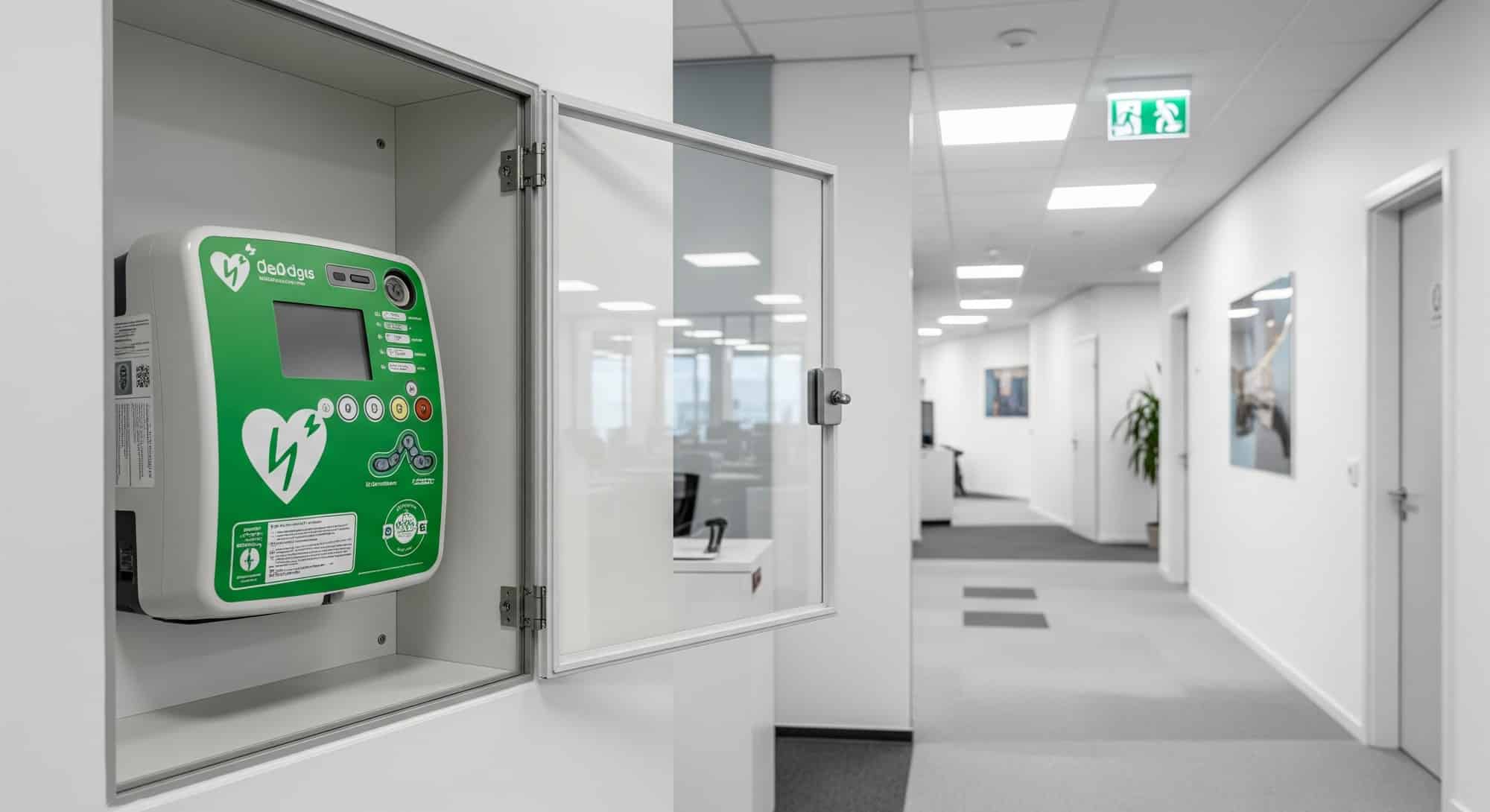
The timing of intervention is critical. Using an AED within the first 3 to 5 minutes of a collapse can increase survival rates to between 50% and 70%. Automated external defibrillators are designed for ease of use, providing step-by-step guidance to the rescuer while professional help is on the way.
What First Aid Training Includes
First aid certification addresses far more than cardiac events. Coursework includes wound care, burn treatment, and techniques for controlling bleeding until emergency responders take over. Students practice applying pressure dressings and tourniquets safely. Many people pursue CPR & First Aid Training in Livonia specifically to gain hands-on experience with these methods in a guided setting. The curriculum also teaches choking response for adults, children, and infants, since each age group requires a distinct approach. Other modules typically cover stroke recognition, allergic reaction management, and how to immobilize fractures or sprains.
Certification Levels and Duration
Basic Certification
Entry-level programs generally run between four and six hours. These courses work well for workplaces, schools, and community groups. Participants earn certification cards that remain valid for two years under most organizations. The content covers essential skills without overwhelming first-time learners.
Advanced Training Options
Healthcare professionals and emergency responders often seek more comprehensive credentials. Advanced programs include two-rescuer coordination, bag-valve mask operation, and certain medication protocols. Such courses may extend over multiple days and involve rigorous skills assessments. Renewal schedules differ depending on the certifying body.
Who Should Get Certified
Certain occupations require active certification. Teachers, athletic coaches, lifeguards, and childcare providers typically must hold valid credentials. Employers in the construction, manufacturing, and hospitality industries frequently mandate trained personnel on-site as well. Parents and caregivers gain tremendous value from these skills even without professional requirements. Understanding how to help a choking toddler or an aging relative showing signs of a heart attack offers genuine reassurance. Volunteers at community events, religious organizations, or youth leagues also find certification worthwhile.
The Practical Testing Component
Earning certification demands skill demonstration, not passive observation. Instructors assess participants using mannequins designed to replicate real emergencies. Students must execute proper compression technique, deliver rescue breaths when appropriate, and position AED pads accurately. Some programs incorporate written tests on emergency identification and response steps. Hands-on repetition creates muscle memory, which proves vital during actual crises when adrenaline runs high and clear thinking becomes difficult.
Common Misconceptions About Training
Myth: Online-Only Courses Are Sufficient
Digital modules offer solid theoretical grounding, yet most credible organizations insist on in-person skills verification. Watching video demonstrations simply cannot replicate performing compressions at the right depth and speed. Blended formats combine online education with condensed in-person sessions where instructors confirm practical ability.
Myth: Certification Guarantees Perfect Outcomes
Proper training dramatically improves survival chances, but results depend on multiple variables. How quickly help begins, the victim’s underlying health, and how fast professional services arrive all influence outcomes. Certification prepares people to respond effectively; it cannot promise success in every scenario.
Workplace Benefits of Trained Staff
Organizations employing certified personnel foster safer environments overall. When trained employees can begin treatment immediately, response times shrink considerably. Some insurance carriers reduce premiums for businesses that maintain certified staff members. Workplace morale often strengthens when employees feel equipped to handle emergencies. Meeting occupational safety standards also becomes more straightforward.

Conclusion
CPR and first aid certification deliver practical abilities that could genuinely save lives. Programs cover cardiac emergencies, wound management, choking intervention, and recognition of serious medical conditions. Certification requires hands-on skill demonstration, confirming participants can apply their knowledge effectively. Whether the motivation is job compliance or personal preparedness, this training empowers ordinary individuals to act with confidence during emergencies. Those few hours spent learning could ultimately help preserve a life when every second carries weight.


