
Solar energy is changing how we think about power. Equipment costs have plummeted while technical capabilities have surged. Consequently, families increasingly adopt clean energy solutions to mitigate the burden of skyrocketing utility expenses.
But what happens when the sun goes down or the grid goes out? Solar alone cannot keep things running. Peak household electricity consumption typically occurs during early mornings and late evenings. These specific windows coincide with periods when photovoltaic arrays generate minimal output. During outages, grid-tied solar systems shut off for safety. Historically, the mismatch between midday sun and evening consumption hindered the true potential of domestic solar installations.
A typical grid-tied system can still reduce energy costs, but it remains dependent on outside power whenever production drops. Solar alone lowers bills and emissions, but it does not deliver true energy independence.
Strategic energy storage empowers households to dictate their own consumption timelines. Rather than surrendering surplus power back to the utility, you can retain that value for critical moments:
- Bridging the gap during expensive evening demand spikes.
- Maintaining vital household functions throughout unforeseen grid failures.
- Shielding your budget when local energy rates fluctuate upward.
Adopting a localized approach through solar battery backup systems ensures that your hard-earned solar production remains under your direct command.

Redefining Residential Power Cycles with Integrated Battery Storage
Solar battery backup systems have changed how solar energy functions in everyday life. Solar panels still generate electricity when sunlight is available, but now excess energy is stored during the day and made available later. Integration of battery storage transforms intermittent solar energy into a dependable resource tailored to human consumption patterns.
The resulting advantages offer a dual layer of security. Families secure substantial financial savings while maintaining an uninterrupted lifestyle, regardless of local grid instability. At the same time, the aging electrical grid experiences less stress as energy demand is partially met locally instead of entirely through a centralized utility company.

Perfect Timing: Lower Solar Panel Costs, Higher Yield Technology, and Residential Battery Systems Working Together
There has never been a better moment for homeowners to consider a solar battery backup system. Utility prices climb steadily while climate-driven weather patterns grow increasingly volatile.
Simultaneously, regional grid infrastructure is deteriorating at a rate that outpaces current replacement efforts. These converging factors make the shift toward residential battery storage more urgent than ever. Meanwhile, both solar and battery technologies have matured.
Maximizing Efficiency with Modern High-Yield Photovoltaic Modules
Modern solar panels produce more energy in less space, perform better in low-light conditions, and last longer than earlier generations. Battery systems have improved efficiency, lifespan, and safety. Importantly, there is no looming technology disruption that would suddenly make today’s solar and battery systems obsolete.
Battery backup eliminates the gap between energy production and energy use. Surplus midday generation remains available for deployment during peak-usage windows when utility pricing typically reaches its zenith. Storing power transcends mere convenience by actively slashing fossil fuel dependency during expensive peak-usage windows.
The combination of solar and battery systems turns homeowners into active participants in energy management. Instead of passively buying electricity at the most expensive times, homeowners can choose when to store, use, or conserve energy. Unprecedented levels of energy autonomy now fundamentally redefine the financial and environmental value of domestic renewable systems.
Legislative Shifts and the Emerging Architecture of Energy Resilience
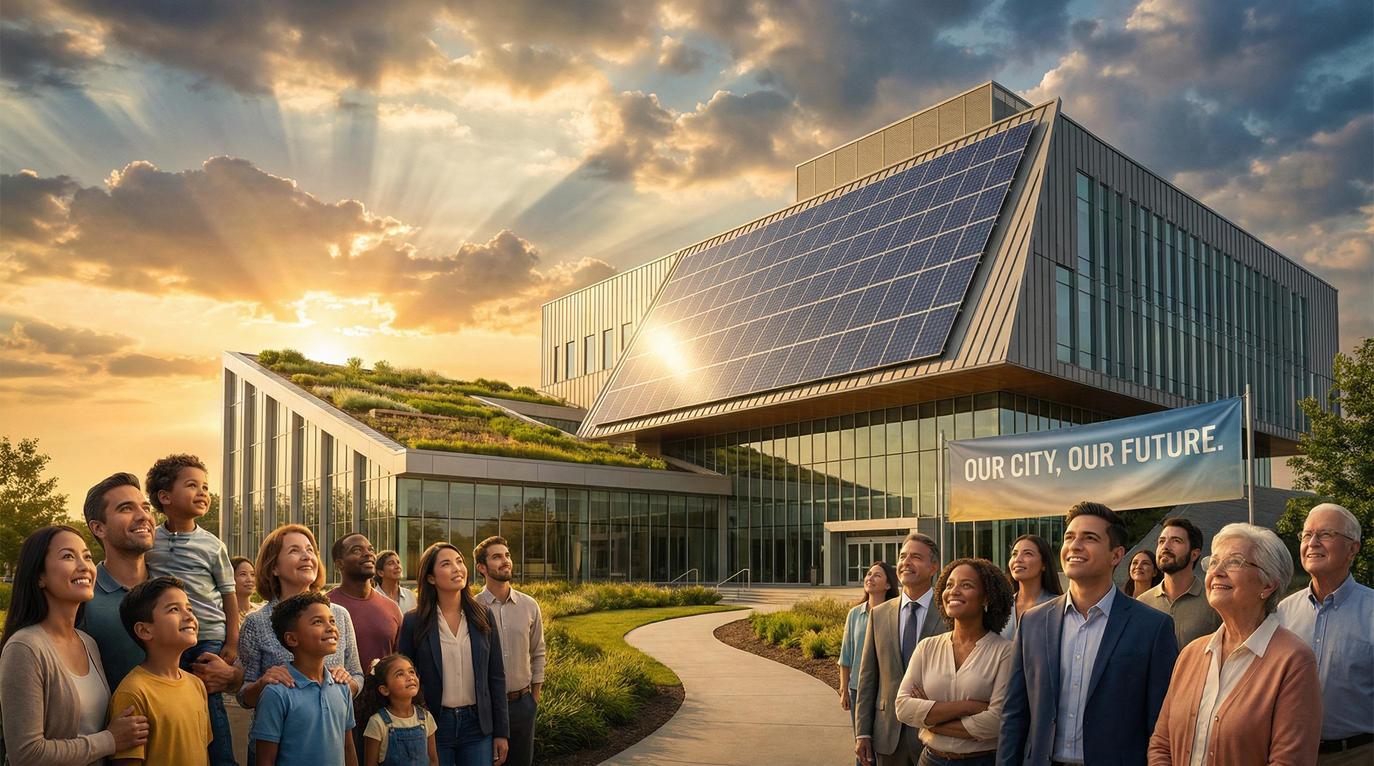
In addition to technology and economics, energy policy is beginning to reflect the growing role of residential battery storage. Regional governments increasingly view residential batteries as more than just individual safety nets. These systems serve as scalable assets that stabilize regional networks and diminish our collective reliance on high-emission emergency plants.
California has taken the most visible step by implementing legislation and incentive programs that actively encourage residential battery adoption. State-level initiatives strengthen grid stability during climate extremes while simultaneously alleviating pressure on aging utility frameworks. Other states are watching closely. Washington State and several others are evaluating similar approaches that would lower the cost of adoption and create frameworks for homeowners to participate in grid support through stored energy.
Regional Leadership: Case Studies in State-Level Battery Adoption
Modern energy roadmaps increasingly prioritize residential storage because these systems harmonize future-proof planning with immediate gains in household autonomy and fiscal stability.
Residential Solar Battery Adoption: Homeowners Are Growing in Confidence
Owning a home inevitably demands a strategy for the unexpected. Most families prioritize safeguarding their loved ones, maintaining essential comforts, and curbing long-term expenses while leaving a sustainable legacy for their children. Reliable electricity serves as the invisible glue holding these household priorities together.
Motivations for adopting solar power frequently transcend simple balance sheets. These decisions often stem from a desire to reduce environmental impact, create stability for their household, and prepare for uncertainty. Modern life revolves around a constant, invisible flow of electrons. When the power cuts, several essential pillars of daily life immediately falter:
- Refrigerated food supplies and life-saving medical equipment.
- Remote work productivity and global communication channels.
- Comfort and safety for household pets and livestock.
Protecting Essential Infrastructure and Securing Household Continuity
Deploying a steadfast energy reserve ensures these vital lifelines remain active, even when the surrounding neighborhood goes dark.
Battery backup solutions now address the reliability question directly. With storage in place, essential household systems continue to operate even when the grid goes down. Energy can be used strategically at a lower cost, and power is available during outages without relying on fuel-based generators.
Reliable backup capacity evolves solar energy from a fair-weather benefit into a steadfast household foundation. Confidence grows when homeowners know that their energy system works regardless of grid conditions, weather disruptions, or changing utility policies. That confidence is driving adoption more than incentives alone ever could.

Scaling Community Resilience through Localized Grid Stabilization
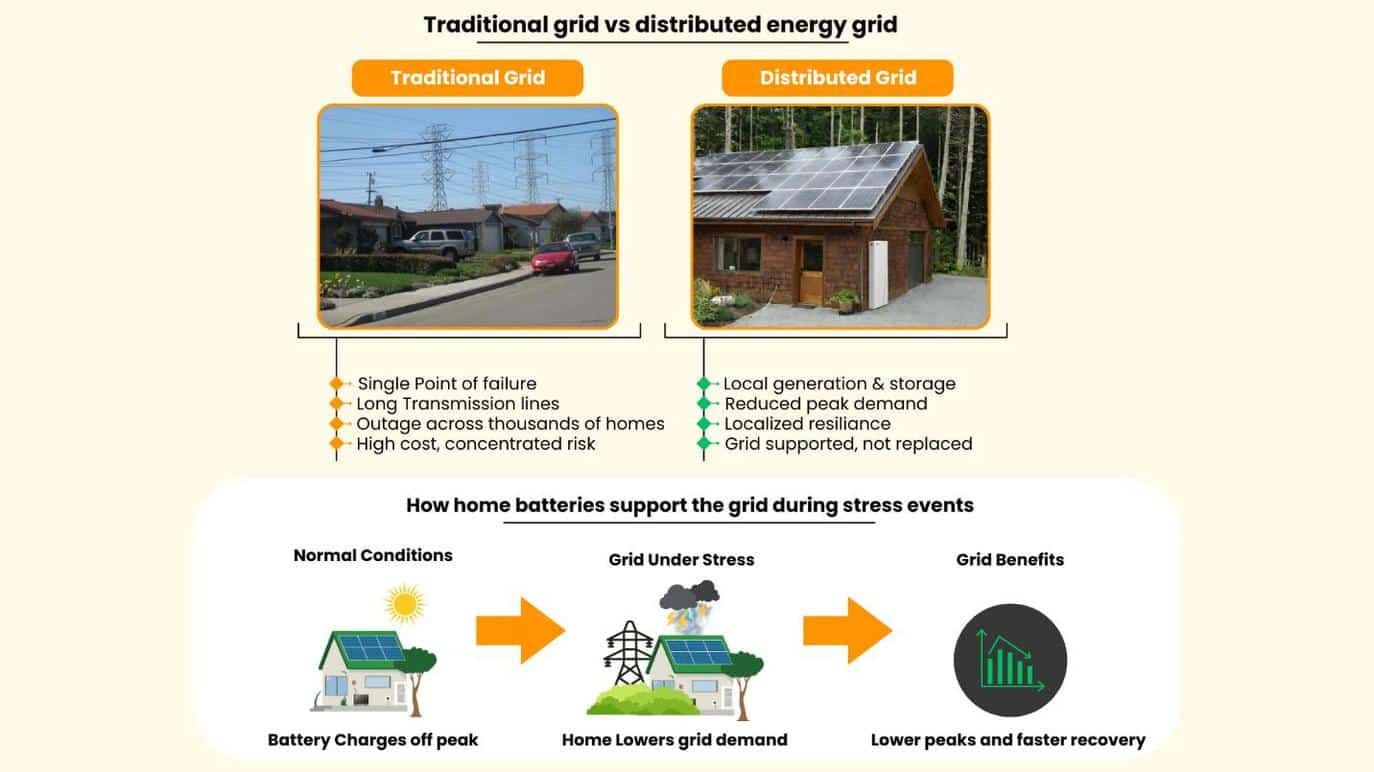
While homeowners gain independence and security, battery storage also plays a stabilizing role at the grid level. Climate-induced volatility—ranging from scorching heat waves to violent storms—places immense pressure on utilities to maintain a delicate balance between supply and demand.
Conventional utility strategies often pivot toward carbon-heavy generation to bridge sudden gaps in power supply. Emergency fossil fuel plants provide a temporary safety net at the expense of significant carbon output and ecological health.
Solar battery backup systems reduce that pressure. Stored energy can be used locally during peak demand periods, which lowers strain on centralized generation. As residential storage capacity increases, utilities gain flexibility. Higher levels of renewable generation become easier to manage without sacrificing reliability.
The Decentralized Model: Localizing the Future of Renewable Power
Battery-backed solar systems also support a more decentralized energy model. Sunlight is captured, stored, and consumed closer to where it is used. Localizing power cycles minimizes transmission waste while shielding long-distance equipment from unnecessary wear.
Widespread adoption of residential storage capacity incrementally reinforces the entire energy network. Each participating household contributes to a stronger, more flexible community infrastructure.
Looking ahead, this shift opens the door to community-based energy models, neighborhood microgrids, and shared resilience strategies. Interconnected neighborhoods gain the ability to share resilience, slashing recovery timelines and bypassing the need for carbon-heavy emergency generation.
Securing Lasting Resilience with Smarter Home Energy Storage
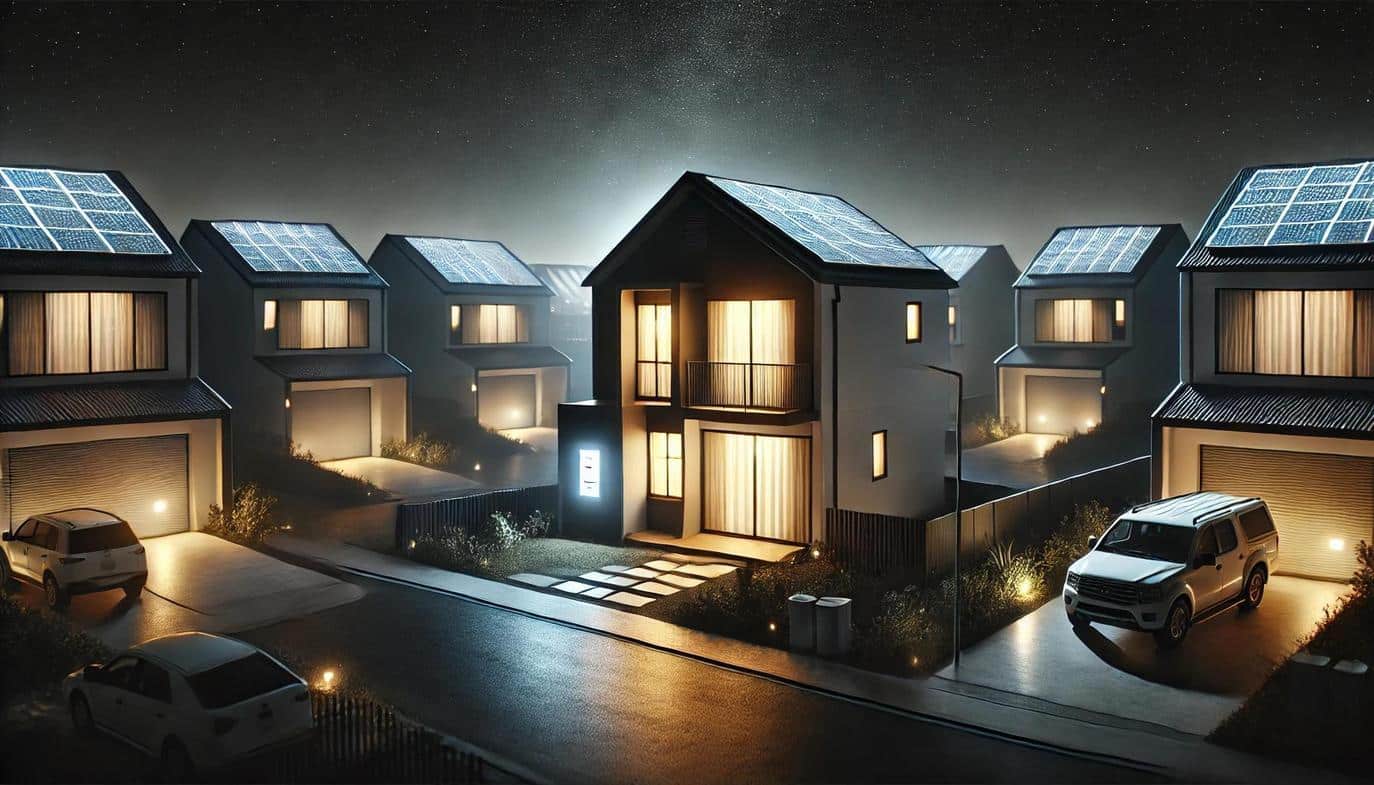
Homeowners are no longer content with being passive consumers at the mercy of an aging and volatile electrical grid. The transition toward solar battery backup systems represents a fundamental move toward domestic sovereignty. Reliable power shouldn’t be a luxury dictated by weather patterns or utility maintenance schedules. Instead, it’s becoming a standard expectation for any modern, climate-conscious household. When you choose to store your own electricity, you’re not just saving a few dollars on a monthly bill; you’re building a personal safety net that stands firm when centralized systems falter.
Community-wide benefits are equally profound. Every residential installation serves as a reliable anchor for the local network.
This decentralized strength actively reduces our reliance on polluting emergency plants during high-stress periods.
Transcending Personal Savings for Collective Community Strength
Intermittent power is becoming a relic of the past. Our current trajectory favors a renewable landscape defined by unyielding reliability—one where your home remains a sanctuary of light and comfort despite external chaos. Localized storage provides the definitive answer to our most persistent energy challenges, paving the way for a truly resilient and sustainable society.
Strategic Insights for Domestic Energy Stability: Concluding Thoughts
Our transition toward a renewable future hinges on more than just generation; it requires the foresight to store and manage that power locally. By integrating residential battery storage, you are participating in a global movement toward decentralized, resilient, and human-centric energy systems.
Frequently Asked Questions Regarding Residential Solar Storage
Does a solar battery backup work during a total grid outage?
Yes. These systems automatically disconnect from the utility grid during a failure, allowing your home to operate as an independent ‘island’ powered by stored energy.
Can I add a battery to my existing solar panel system?
Most modern installations are ‘AC-coupled,’ meaning a battery can be integrated into your current setup without replacing your existing solar inverters.
How long will a home battery keep my lights on?
Backup duration depends on your battery capacity and household load, but most systems can power essential circuits like lights and refrigeration for 24 hours or more.
Will having a battery storage system lower my monthly electric bill?
Absolutely. You can use stored energy during ‘peak hours’ when utility rates are highest, effectively shielding yourself from the most expensive electricity prices.
Do solar batteries require regular maintenance?
Modern lithium-ion battery systems are virtually maintenance-free, featuring integrated cooling and software that manages health and performance automatically.


