
Renewable energy systems, particularly solar energy, are becoming more common. Many homeowners have embraced solar power systems, adding them to their roofs or installing them as stand-alone panels. The rising prevalence of solar panels can be attributed to various factors. Increasing concerns about climate change have prompted many homeowners to seek sustainable energy solutions.
Solar power systems can lead to significant savings on energy bills, offering a compelling financial incentive. The installation of solar panels often enhances property value, making homes more attractive to potential buyers. Furthermore, homeowners can benefit from various earnings and tax breaks associated with solar energy investments, which further encourages the adoption of this renewable resource.
Before you can enjoy these benefits of solar power and start leading a more sustainable lifestyle, however, there are many decisions and expenses you’ll need to consider. First, you must understand that there are different power systems, such as off-grid, grid-tied, or hybrid systems. Then, you must examine the different types of solar setups available and, perhaps the most crucial for many, the cost considerations of these options.
Investing in a solar setup for a home involves careful consideration of various options. This article will explore the advantages and disadvantages of different solar power solutions. It will provide some recommendations regarding the most budget-friendly options available. Equipped with this information, homeowners can make informed decisions that align with their financial goals and sustainability objectives.

Solar Power Systems
The power system decides how to use the solar energy that the panels collect. Homeowners can choose to use this energy to power their homes, store it for later use, or connect it to the public power grid. Three primary options are available for generating and utilizing solar power. Each option—off-grid, grid-tied, and hybrid—comes with unique advantages and drawbacks that homeowners should carefully consider.
Off-Grid System
Homeowners using off-grid systems must solely rely on solar panel power to meet their energy needs. This setup necessitates the consideration of battery storage options. Batteries are essential for retaining excess energy produced during strong sunlight and for supplying power during periods of low solar generation, such as after sunset.
It is crucial to recognize that extended periods of cloudy or rainy weather may hinder battery recharging, potentially leaving a home without sufficient power. Additionally, the installation of extra batteries can pose a significant financial burden for many homeowners.
However, one of the primary advantages of an off-grid system is the elimination of utility energy bills. The main expenses associated with this system include the initial investment in solar technology and occasional maintenance costs over its lifespan.
Grid-Tied System
Grid-tied systems allow you to use solar power when available rather than relying on the existing power grid to which most homes are attached. This can help lower your electricity bill, as you’ll only use the grid when solar power isn’t available.
With this method, you can also get discounts for providing power to the grid, as any excess power you don’t use will help supply the overall power grid. This is typically measured by a net metering system, which tracks your use and contributions to the grid, allowing you to offset the cost of using the main grid to power your home.
Hybrid System
A hybrid power system integrates features from both off-grid and grid-tied systems. This setup provides homeowners with the ability to store surplus energy in batteries. As a result, they can maintain a reliable power supply, even during instances when the grid experiences outages. Hybrid systems offer a balanced approach for those seeking increased energy independence while still benefiting from connectivity to the grid.

Panel Options
After understanding the various power systems that are available, attention should turn to the different types of solar panels suitable for installation in homes. There are three primary categories of solar panels, each presenting distinct advantages and disadvantages. Evaluating these options will aid homeowners in selecting the best solar technology to meet their energy needs and aesthetic preferences.
Solar Panels
Solar panels are the most used type and can be easily recognized on the roofs of homes or in solar fields. They’re typically made with polycrystalline cells with a distinguishable blue hue. Although they’re a budget-friendly option that doesn’t compromise on quality, many homeowners find them visually unappealing.
Solar panels are the most tried-and-true option, as they have been used the longest across various weather conditions. They have been shown to have a long lifespan of 20 to 25 years and a moderate efficiency rate that makes them adequate for daily power needs. Their temperature coefficient (how they perform in colder weather) has room for improvement, though they usually manage to get the job done across seasons.
Solar Tiles
Solar tiles are the most expensive option but are also considered the most aesthetically pleasing, making them sought after by homeowners. Unlike solar panels, which are mounted on top of an existing roof, solar tiles are integrated into the roof to be flush with other roof tiles or to replace them entirely. Because of this, these panels are ideal for new builds or buildings that need their roofs replaced.
They’re typically made with monocrystalline cells, which appear all black and have a higher efficiency rate and temperature coefficient. Since solar tiles are a newer option, we have yet to verify their expected 25-year life expectancy.
Solar Stickers
Solar stickers are the most affordable yet least efficient option for homeowners. These panels also have the shortest life expectancy, typically anticipated to last 10 to 20 years. However, they have the best temperature coefficient and, like solar tiles, an all-black appearance that makes them aesthetically appealing.
Cost Considerations
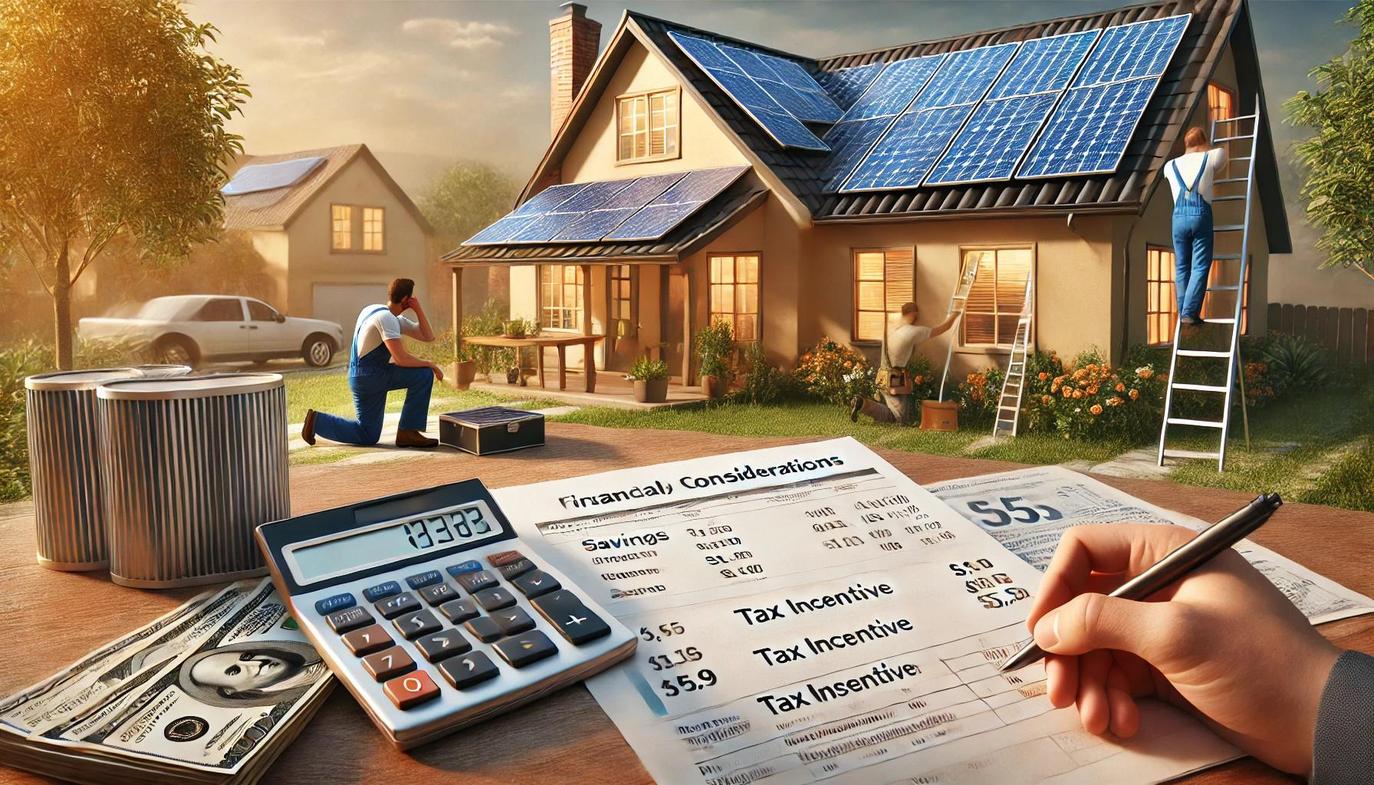
Regardless of the type of solar panel chosen, professional installation is essential to guarantee a proper and safe setup for home energy needs. This installation ensures that the panels effectively integrate with the selected power system. Proper installation is critical for maximizing efficiency and ensuring the system functions seamlessly.
Homeowners must also factor in the cost of hiring a professional installer, in addition to the expenses associated with purchasing the panels. Utilizing winnings from platforms like casinos.com or implementing effective budgeting and financing strategies can provide homeowners with the necessary funds to cover the initial costs of solar panel installation and professional services.
Several factors will influence the overall cost of a solar power system. These include the size of the system required, the number of batteries desired for energy storage, and the costs associated with essential components such as inverters and meters. Additionally, the total investment should factor in ongoing maintenance expenses for the solar panels over their expected lifespan.
Furthermore, one should not overlook the potential savings from solar energy. Homeowners should explore available tax incentives in their state, as many offer tax discounts for solar installations. It is also important to assess the expected reductions in monthly energy bills once the solar panels are operational. The integration of solar technology can enhance a home’s value. Ultimately, investing in solar power may yield financial benefits that surpass the initial installation costs, offering both immediate and long-term advantages.
Making an Informed Decision for Sustainable Living
Choosing the best solar power system for your home requires careful consideration of various factors, including your energy needs, budget, and lifestyle. By understanding the different power systems—off-grid, grid-tied, and hybrid—you can determine which option aligns with your goals for energy independence and sustainability. Each system presents unique advantages and challenges, particularly regarding reliability, electricity bills, and potential savings.
Equally important is the selection of solar panels, which can significantly impact both efficiency and aesthetics. Evaluating options such as traditional solar panels, solar tiles, and solar stickers will help you identify the best fit for your home and financial situation. Additionally, be sure to factor in installation costs, maintenance, and available government incentives that can enhance your investment.
Embracing solar energy not only paves the way for a more eco-friendly lifestyle but also increases your home’s value and can lead to significant savings over time. As renewable energy continues to gain traction, making an informed choice regarding solar power will benefit not only you but also contribute to a healthier planet. By thoroughly researching and understanding your options, you can embark on a rewarding journey toward a greener future equipped with reliable, cost-effective solar solutions.


