
In keeping with modern times, most classrooms are filled with students learning and solving equations. Education is seriously searching for its next Einstein, Tesla, etc. However, there’s something just as important as learning: sustainability. The environment is facing genuine threats.
Students are being prepared for a future that may arrive differently. Everyone seems to forget that this is not the same world their parents grew up in. Everything is fast-paced. Whether it’s an internet casino, an AI invention, electric cars, or others, the world is changing.
Why the World Needs Sustainability
Sustainability is non-negotiable. While math builds logical thinking and problem-solving, sustainability arguably does the same. But the latter has real-world consequences. Students should learn energy production and how waste impacts the ecosystem. They should also understand consumption patterns and their long-term effects.
When students learn about sustainability, they get the broader picture. They’re more appreciative of their surroundings and expand their learning beyond academics.
Building Practical Knowledge
The goal is not to turn every student into an environmental scientist. They should have an awareness of life and possess some practical knowledge. For example, they can learn why water conservation is essential and how it influences usage.
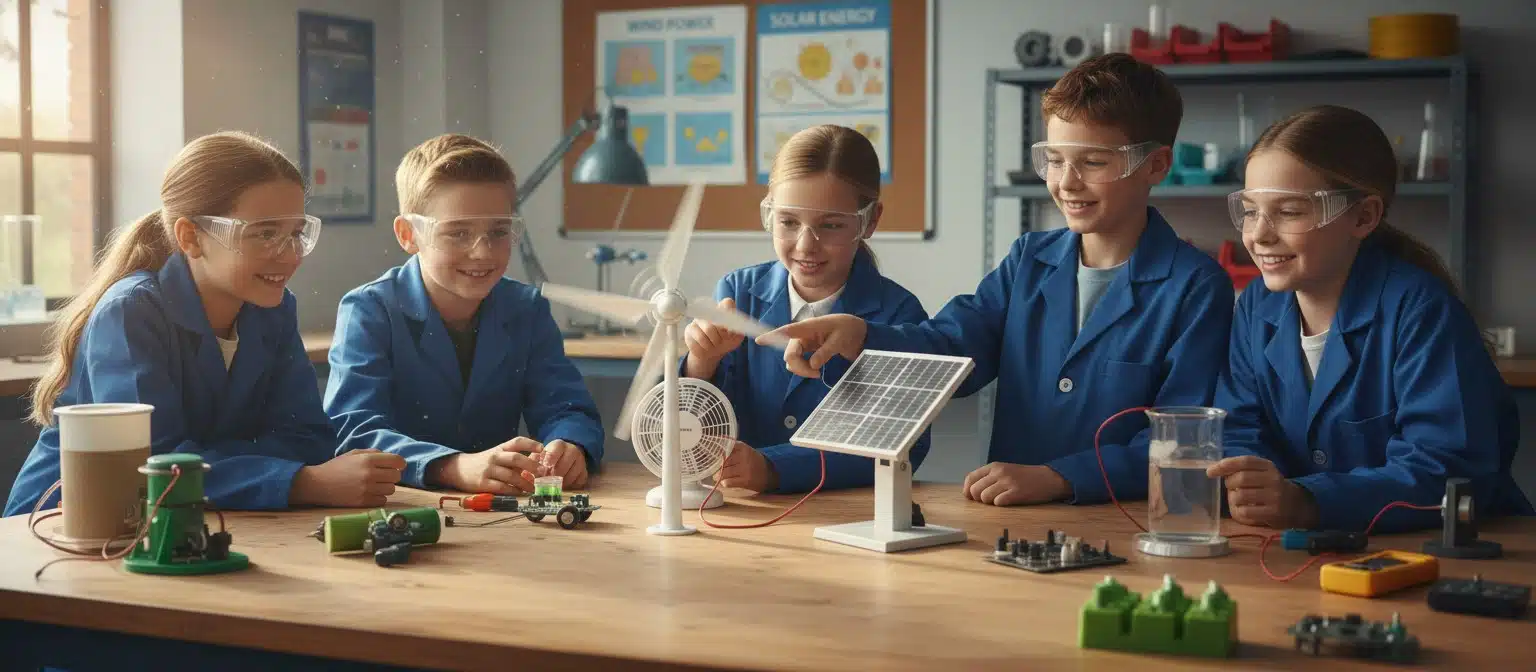
Further, renewable energy is a fundamental issue. Students can be taught how it can shape future business ideas and career interests. While these areas look small, they compound over time.
Embracing the Green Shift
The economic angle presents a strong case. Recently, the global economy has embraced shifts toward green solutions. Options abound, such as renewable energy, green practices, sustainable agriculture, and clean technology. These practices are creating new industries and opportunities.
Early exposure to these concepts gives students an edge. It helps them thrive in a constantly changing landscape. Ignoring this in learning and education can create a gap between what is taught and what is needed.
Room for Health Improvement
Health is a critical part of sustainability. Environmental factors like water pollution, air quality, and waste management directly affect health and well-being. When students understand these real connections, they easily adopt healthier habits and even advocate for better living conditions.
There are arguments that school curricula are overloaded. That may be a fair concern. But sustainability is flexible enough not to be a sole subject. It can form part of existing ones.
Research from multiple educational institutions supports this integrated approach. Studies show that students who engage with sustainability topics across different subjects develop stronger critical thinking skills and a deeper understanding of how interconnected global systems work. This cross-curricular method also helps students see the practical application of concepts they learn in traditional subjects like math, science, and social studies.
For example, math classes can explore data related to climate and energy systems. Even economics classes can explore sustainable business models. The goal is to teach smarter.
The Transformation to Adulthood
With sustainability pushing the cultural shift in educating, early habits can carry into adulthood. It stops being or feeling like an obligation and moves towards normal behavior. Students become more mindful about recycling systems, energy efficiency, and consumption practices.
Teaching sustainability like math is all about relevance. As students transition into adulthood, they’re better prepared for the world they live in. This will lead to a more informed and responsible society.

Conclusion
The sooner sustainability becomes a foundational part of learning and education, the better prepared the next generation will be. They’ll have more nous to handle the challenges ahead.
Whether it’s health, the environment, or technology, sustainability cuts across every aspect of life. Now, it must become a core part of learning.


