
Contractors and roofers welcome a future where roofs are both functional and eco-friendly. Traditional methods have environmental drawbacks, so let’s explore solutions that benefit clients and the planet.
This article will discuss sustainable roofing practices for homes, businesses, and industries.
Green Roofs: Flourishing Ecosystems Atop Structures
Green roofs are more than a visual delight; they signify a shift towards holistic urban development, infusing nature into our built environment. Green roofs evolve into dynamic ecosystems in residential, commercial, or industrial settings, offering many practical advantages.
Residential Appeal
In homes, green roofs extend beyond aesthetics. They act as natural insulators, regulating indoor temperatures and reducing energy consumption. Residents can cultivate gardens or create green havens, enhancing sustainability and quality of life.
Corporate Sustainability
For businesses, green roofs represent a commitment to environmental responsibility. Beyond enhancing corporate image, they lead to real cost savings by insulating structures and reducing the need for extensive air conditioning.
Ecosystem Harmony
Green roofs offer valuable ecosystem services in urban areas. They foster biodiversity, supporting diverse plant and animal life. Moreover, they act as natural water regulators, mitigating flooding risks and improving water quality.
Mitigating Urban Challenges
Green roofs address urban challenges by counteracting the heat island effect, creating cooler microclimates. This contributes to improved air quality, reduced energy demand, and a more sustainable urban ecosystem.
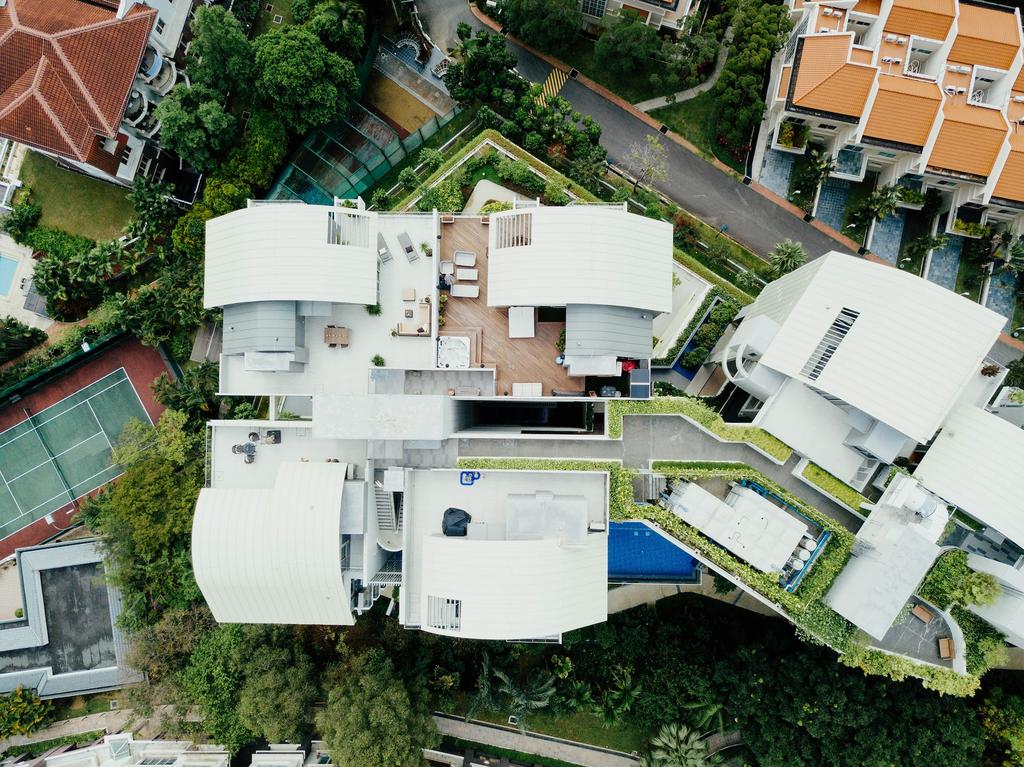
Reflecting Progress: High Solar Reflectance and Thermal Emittance Materials
Using roofing materials with high solar reflectance and thermal emittance is like giving our roofs a superpower—the power to stay cool and make our surroundings cooler, too.
In homes, these materials keep interiors comfortable without using too much energy for cooling. For businesses, it’s like having a superhero roof that fights against the sun’s heat, making workplaces more comfortable and saving on air conditioning costs.
These unique materials are a smart solution for our planet’s rising temperatures, reducing the “heat island effect” in cities. Cool roofs contribute to making urban areas more pleasant.
For roofing professionals, it’s an opportunity to create roofs that protect and help us live in harmony with the sun. Cool roofs represent progress towards a brighter and cooler future, shaping a more comfortable and energy-efficient world.

Eco-Friendly Roofing: Building Green
Choosing eco-friendly roofing materials is more than a trend; it’s a commitment to environmentally responsible construction. Whether for homes or businesses, these materials, often recycled or sustainably sourced, redefine how we build.
Sustainable Living
In homes, eco-friendly roofing materials, like recycled metal or reclaimed wood, enhance durability and minimize environmental impact.
Green Legacy
For businesses, opting for eco-friendly materials, such as solar reflective membranes or green roof systems, showcases a lower carbon footprint and environmental stewardship commitment.
Harmonious Innovation
From recycled rubber tiles to bamboo roofing, these materials blend innovation and environmental responsibility—actively minimizing our built environment’s ecological impact.
Nature in Urban Spaces
Eco-friendly materials contribute to biodiversity support, creating habitats for insects and birds and fostering small-scale ecosystems atop structures.

Solar Synergy: Integrating Panels for Renewable Rooftop Energy
Integrating solar panels into roofing systems is not just about staying current with technology; it’s a strategic move towards sustainable energy solutions. Whether applied to residential rooftops, commercial complexes, or industrial structures, this synergy between roofing and solar panels significantly reshapes our energy landscape.
Residential Rooftops
In homes, integrating solar panels is akin to inviting the sun to power our daily lives. Homeowners can benefit from reduced electricity bills and a smaller carbon footprint. When paired with an aluminum roof hatch for easy access, maintenance becomes straightforward, ensuring that residential solar solutions are efficient and hassle-free.
Commercial Complexes
For businesses, incorporating solar panels into roofing systems is a game-changer. Commercial spaces can reduce energy costs and position themselves as environmentally conscious entities. With a roof hatch, like the BA-ALRF-LA aluminum roof hatch, facilitating maintenance accessibility, businesses can seamlessly incorporate and maintain these energy-efficient solutions.
Industrial Structures
In industrial applications, integrating solar panels becomes a key component of sustainable practices. Factories and warehouses can leverage rooftop spaces to generate renewable energy, contributing to both cost savings and environmental responsibility.

Harvesting the Rain: Sustainable Water Management on Roofs
Rainwater harvesting on roofs isn’t just a practice; it’s a smart move toward sustainable water management across homes, businesses, and industries.
Residential Elegance
In homes, rainwater harvesting isn’t just about capturing rain; it’s an elegant solution for sustainable water use, reducing reliance on municipal water and showcasing a commitment to responsible water management.
Commercial Responsibility
For businesses, incorporating rainwater harvesting demonstrates corporate responsibility. Commercial spaces can utilize harvested rainwater for landscaping or cooling, aligning with sustainable business practices.
Industrial Ingenuity
In industrial settings, rainwater harvesting becomes an ingenious solution, reducing water demand for processes and adding resilience to water management strategies.
Elevating Sustainability
Harvesting rainwater on roofs symbolizes a commitment to elevated sustainability, redefining how we interact with our built environment across diverse settings.
Versatility in Application
From simple rain barrels to sophisticated systems, the versatility of rainwater harvesting makes it adaptable to diverse settings, reminding us that sustainable water management is achievable at all scales.
Building Resilience
In the face of water scarcity, rainwater harvesting builds resilience, ensuring a supplementary and sustainable water source for structures and communities.

Government Backing: Incentives and Certifications for Sustainable Roofs
Governments provide a crucial boost to sustainable roofing through incentives and certifications, driving change across residential, commercial, and industrial sectors.
Residential Incentives
Homeowners enjoy tax credits and rebates for eco-friendly choices, accelerating the shift towards sustainable residential roofing.
Commercial Competitiveness
Certifications like LEED offer businesses a competitive edge, with tax incentives and grants promoting eco-friendly roofing solutions.
Industrial Catalyst
Government incentives propel industrial changes, encouraging large-scale green roofing and solar panel integration adoption.
Certifications’ Impact
Recognized certifications validate roofing materials, instilling confidence and ensuring compliance with environmental standards.
Global Commitment
Aligned with international initiatives, government support for sustainable roofing contributes to global environmental goals.

Nurturing Longevity: Maintenance Practices for Sustainable Roofing
Maintaining eco-friendly roofs for lasting benefits involves simple yet impactful practices:
Regular Inspections
Frequent checks catch issues early, promoting durability for residential, commercial, and industrial roofs.
Prompt Repairs
Timely fixes prevent problems from escalating, preserving the integrity of sustainable roofing materials.
Cleanliness Matters
Keeping roofs free from debris enhances solar panel efficiency, extends the life of green roofing, and prevents drainage issues.
Coating Upkeep
Maintaining sealants and coatings for reflective or green roofs is crucial for continued efficiency and environmental benefits.
Professional Oversight
Engage roofing experts for periodic assessments and maintenance, ensuring comprehensive care and issue prevention.
Educational Efforts
Promoting awareness among building owners fosters a culture of responsible and sustainable roof care.
Wrapping It Up
Contractors and roofing professionals play a vital role in shaping the future of construction. Embracing sustainable roofing practices is not just about meeting environmental standards; it’s about future-proofing structures and contributing to a more sustainable and resilient world. Let’s build a greener, more efficient tomorrow, one roof at a time.


